
Introduction
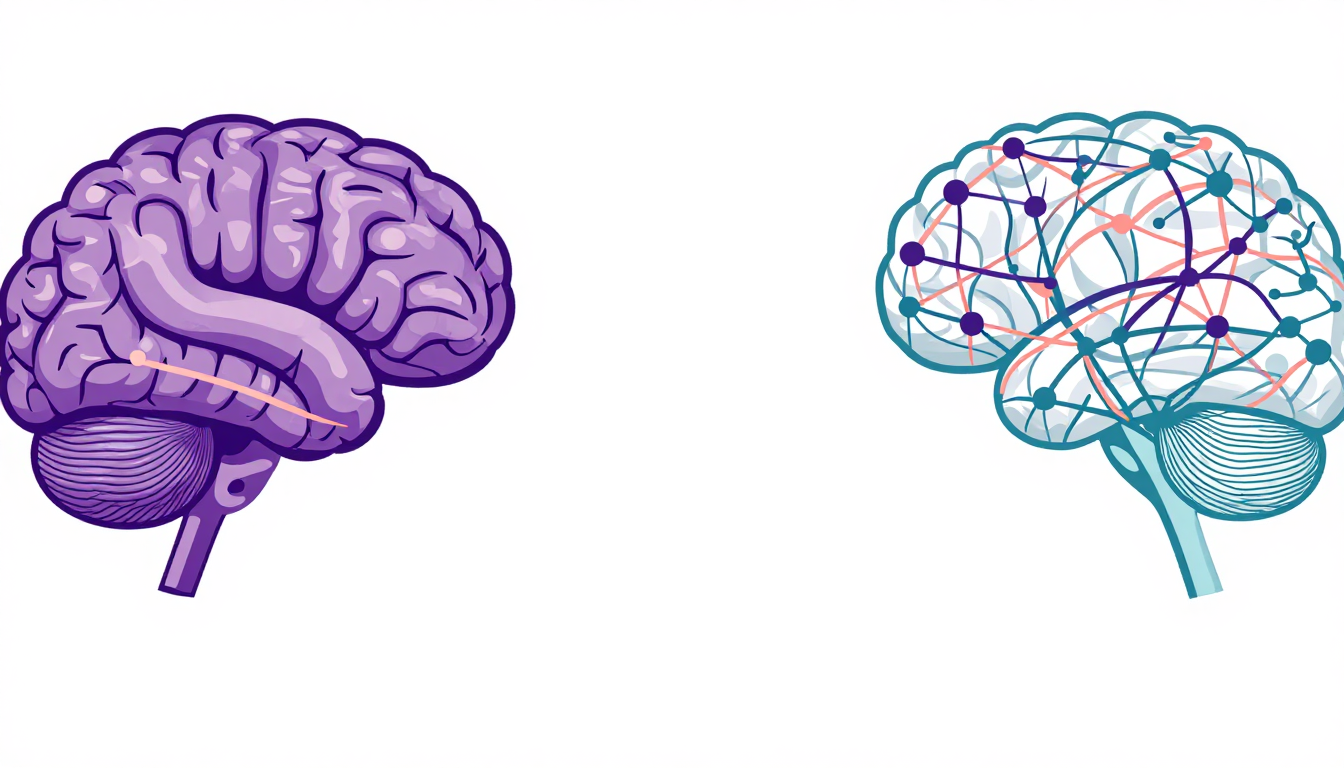
For decades, autism spectrum disorder (ASD) has defied simple classification. The very term "spectrum" reflects the profound heterogeneity in symptom presentation, severity, and underlying biology that has confounded clinicians and researchers alike. Diagnoses have historically relied on behavioral observations—delays in social communication, repetitive behaviors, and sensory sensitivities—that manifest differently across individuals despite shared clinical labels. What if behind this apparent chaos lay a simpler, more structured reality? A groundbreaking 2026 study published in Nature Neuroscience suggests exactly that: at least two reproducible biological subtypes of autism, each with distinct neural signatures and molecular underpinnings, waiting to be recognized. This research breaks through decades of clinical ambiguity by demonstrating that autism can be split into at least two biologically coherent subtypes based on brain connectivity patterns, bridging human functional magnetic resonance imaging (fMRI) findings with molecular mechanisms validated in mouse models.
A Paradigm Shift in Autism Classification
The traditional diagnostic framework for autism—established in the Diagnostic and Statistical Manual of Mental Disorders (DSM) and refined over successive editions—has treated ASD as a single disorder with variable expression. Yet, decades of research have grappled with an intractable problem: interventions that help one subset of individuals often show no benefit—or even adverse effects—in another. This therapeutic inertia has long hinted at hidden heterogeneity within the diagnostic category.
The new study, titled "Cross-species functional connectivity identification of autism subtypes," offers a compelling answer. Led by Alessandro Gozzi at the Istituto Italiano di Tecnologia (IIT) and Adriana Di Martino of the Child Mind Institute, the research team applied advanced neuroimaging techniques to human participants and paired those findings with systematic validation in over 20 genetically diverse mouse models. This cross-species approach served as a "Rosetta Stone," translating observable brain patterns into testable biological hypotheses.
Rather than grouping individuals by behavioral symptoms alone, the researchers analyzed resting-state fMRI scans to measure functional connectivity—the degree to which distant brain regions communicate and synchronize their activity. Using machine learning algorithms trained on large datasets, they identified two robust and reproducible connectivity profiles that consistently emerged across multiple independent cohorts.
The Hypoconnectivity Subtype: When Brain Regions Fall Silent
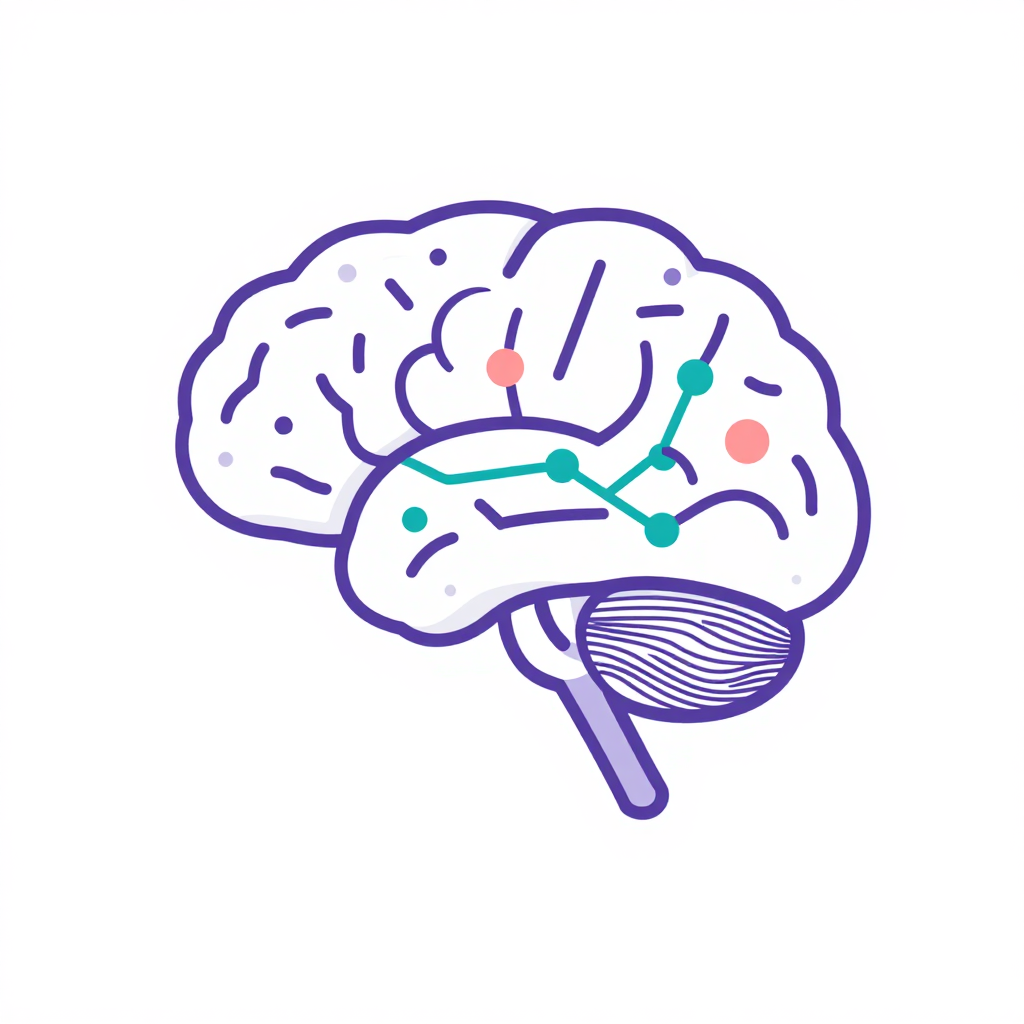
The first subtype, dubbed "Hypoconnectivity," is characterized by widespread reductions in communication between brain regions. In affected individuals, neural networks that typically work in concert—such as the default mode network (responsible for introspection and social cognition) and the salience network (involved in detecting relevant stimuli)—show diminished synchrony. This under-connectivity is not uniform but follows a specific pattern: long-range connections, especially those linking frontal lobes with posterior areas, appear most vulnerable.
The biological basis for this profile points toward altered synaptic pathways. Synaptic proteins involved in excitatory neurotransmission, particularly those associated with glutamatergic signaling, showed measurable deficiencies. This suggests that the neural "wiring" is intact anatomically but functionally dampened, as if the circuitry were physically present yet unable to transmit signals with adequate strength or precision.
Clinically, individuals in the hypoconnectivity group often present with more profound language delays and reduced social initiative. They may appear withdrawn or fail to respond to social cues that neurotypical peers notice instinctively. However, their sensory processing may be less aberrant than in the second subtype, leading to fewer overtly challenging behaviors in stimulating environments.
The Hyperconnectivity Subtype: When Brain Circuits Overfire
In striking contrast, the second subtype—"Hyperconnectivity"—is marked by increased connectivity or, more accurately, over-communication between brain regions. Here, functional magnetic resonance imaging reveals exaggerated synchronization, particularly within local neural circuits and across hemispheres. Instead of underactive networks, hyperconnectivity manifests as heightened coherence, almost like an overactive radio tuned to the same frequency across multiple stations.
The molecular profile associated with this subtype tells a different story. Rather than synaptic deficits, researchers found signatures pointing to immune-related biological systems. Specifically, markers of neuroinflammation—including elevated levels of certain cytokines and microglial activation—were disproportionately present. This suggests that the over-communication may be a downstream effect of inflammatory processes altering neural excitability and synaptic pruning.
Clinically, individuals with hyperconnectivity often present differently. They may exhibit superior rote memory, heightened pattern recognition, and intense focus on specific interests—traits sometimes lauded in neurodiversity narratives. However, this same neural hyperactivity can lead to increased seizure susceptibility, sensory overload, and more severe anxiety. Many individuals in this group experience the world as overwhelmingly stimulating, leading to meltdowns or withdrawal when thresholds are exceeded.
The Mouse Model Rosetta Stone
A critical innovation in this research was the use of mouse models not as simple proxies but as a diagnostic calibration tool. The team created over 20 distinct genetic models, each representing a different variant associated with autism risk in humans—such as CHD8, SHANK3, NRXN1, and CNTNAP2 deletions or mutations. By applying the same fMRI analysis pipeline to these mice as they did to human participants, researchers could map specific genetic perturbations onto observable brain connectivity patterns.
The results were strikingly clean: certain genetic variants consistently produced hypoconnectivity signatures, while others reliably triggered hyperconnectivity. This cross-species validation confirmed that the two profiles are not artifacts of measurement noise or cohort bias but reflect biologically reproducible entities. For the first time, clinicians had an objective neuroimaging biomarker—a pattern on a scan—that could be traced back to specific molecular pathways.
One particularly illuminating experiment involved cross fostering: researchers swapped embryos between high-risk and control mouse lines, then tracked connectivity patterns regardless of genetic origin. The findings reinforced that autism subtypes are not determined by a single gene but emerge from complex interactions among multiple pathways, with connectivity phenotypes serving as the unifying readout.
Prevalence and Diagnostic Implications
Approximately 25 percent of individuals with autism examined in the study fell into one of these two biologically defined categories. While this may seem like a minority, it represents the most rigorously validated subset to date—others fall into more variable or mixed profiles that require additional subtyping criteria. Crucially, this 25 percent is not static; as diagnostic precision improves and screening tools incorporate biological markers, the share of individuals assignable to these subtypes is expected to grow.
For clinicians, this means moving beyond the binary of "high-functioning" versus "low-functioning," descriptors that have served little clinical purpose and caused considerable harm. Instead, a two-axis framework emerges: one dimension measuring functional connectivity (hypo- versus hyper-), and another tracking immune or synaptic biomarkers. A child with severe sensory sensitivities might be reclassified from "hyperreactive" to "hyperconnectivity with immune signature," immediately opening pathways for targeted interventions.
The implications extend to genetic counseling and family planning. If a child's autism is traced to a specific synaptic defect, siblings carrying the same variant could be monitored prenatally for early connectivity changes, enabling earlier support before behavioral symptoms fully manifest.
Toward Precision Medicine in Autism Care
The ultimate promise of this research lies in precision medicine. Current autism interventions—behavioral therapy, speech and occupational therapy, and pharmacological support—are designed for the average case, leading to highly variable outcomes. The hypoconnectivity subtype might respond best to therapies that boost synaptic strength, such as agents targeting glutamatergic receptors or modulators of neurotrophic factors like BDNF. Conversely, the hyperconnectivity subtype may benefit from anti-inflammatory interventions, EEG-based neurofeedback to dampen excessive synchrony, or novel compounds that enhance synaptic pruning during critical developmental windows.
Several pharmaceutical companies have already expressed interest in developing subtype-specific clinical trials. Early-phase studies are underway to repurpose existing anti-inflammatory drugs originally developed for autoimmune conditions, with autism hyperconnectivity patients as the primary cohort. Meanwhile, neurotech firms are designing adaptive neural prosthetics capable of detecting and correcting abnormal synchrony in real-time, tailored to the individual's connectivity profile.
Importantly, this framework does not imply determinism. Biological subtypes provide a starting point—a biological context—within which environmental, social, and educational factors continue to shape outcomes. A child with hypoconnectivity who receives intensive language therapy before age three may still develop strong communicative abilities, while another with hyperconnectivity might thrive in structured environments that manage sensory input.
Looking Ahead: The Next Decade of Autism Research
The identification of two biological subtypes is not an endpoint but a launching pad. Researchers are already extending the work to include more nuanced subgroups, such as those with mixed connectivity profiles or subtype transitions over time. Longitudinal studies tracking children from infancy will determine whether the hypo- and hyperconnectivity labels remain stable or can shift with development and intervention.
The Nature Neuroscience paper concludes with a call for global collaboration: standardized fMRI protocols, shared data repositories, and harmonized behavioral assessments will be essential to replicate and expand these findings across diverse populations. Initiatives like the Autism BrainNet and the EU's ABIDE-II project are already adapting their pipelines to incorporate connectivity-based stratification.
For families, this means hope—not the naive promise of a cure, but the realistic expectation of tailored support, effective therapies, and respect for neurodiversity grounded in biological reality. When a clinician can say, "Your child's brain works differently because of X mechanism," rather than "This is just how autism presents," the shift from deficit to difference—and from despair to direction—becomes possible.
References and Further Reading
-
Gozzi, A., Di Martino, A., et al. (2026). Cross-species functional connectivity identification of autism subtypes. Nature Neuroscience. https://www.nature.com/articles/s41593-026-02287-z
-
NeuroScienceNews. (June 2026). A new study has broken through decades of clinical ambiguity by proving that autism can be split into at least two distinct biological subtypes based on brain connectivity. https://neurosciencenews.com/autism-subtypes-brain-connectivity-30786/
-
ScienceDaily. (2026, June 2). Independent validation and extended analysis of autism brain connectivity subtypes. https://www.sciencedaily.com/releases/2026/06/260602021634.htm
*This article was written by Felix Sterling and first published on ProBackend.