
AI Agents
Agentic systems, orchestration, MCP and autonomous tooling.

Zoom’s Zero-Click Windows Flaw Lets Attackers Hijack AI Agents Without a Single Click
A critical vulnerability in Zoom’s Windows client and SDK enables unauthenticated remote code execution via malicious .ZAP files — turning enterprise video conferencing into a vector for AI agent compromise.
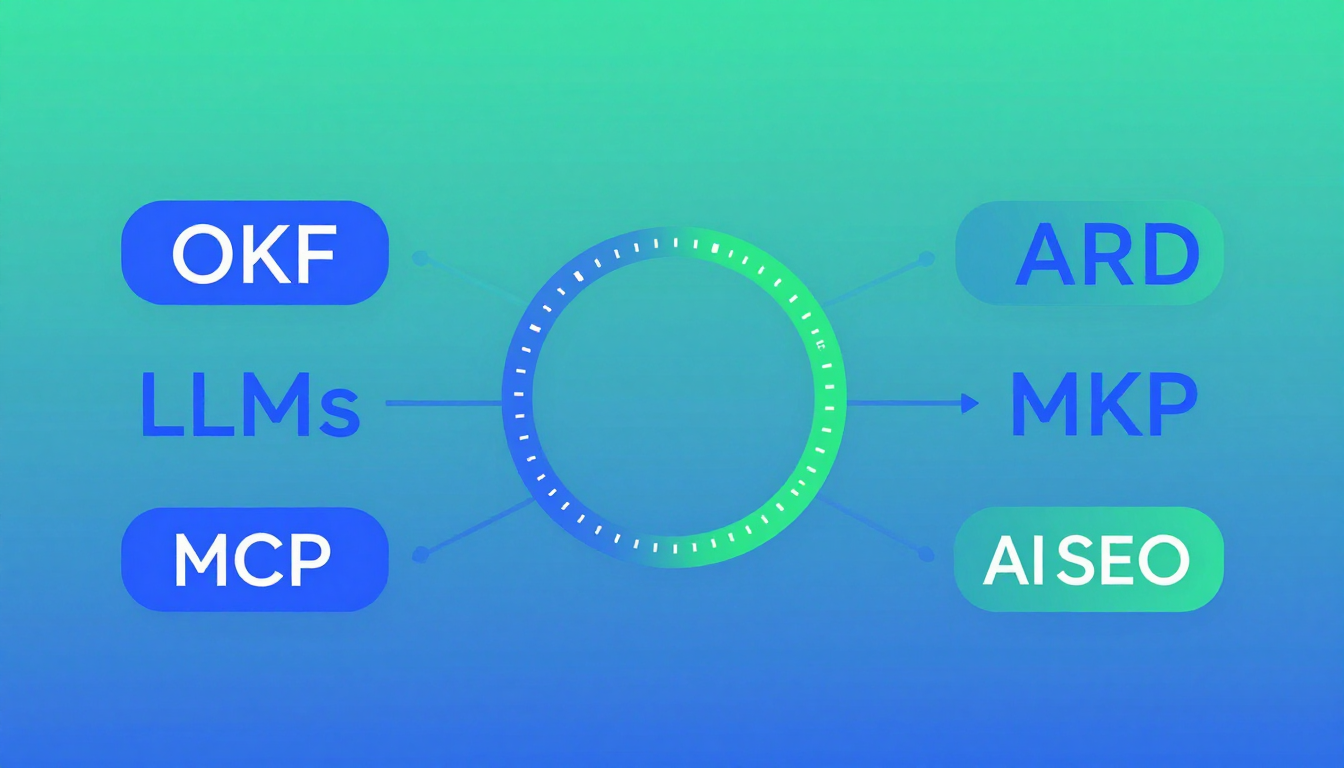
Google’s OKF and ARD: Two New Specs, One Web Layer, and Why SEOs Must Distinguish Them
A clear breakdown of Google's Open Knowledge Format (OKF) and Agentic Resource Discovery (ARD) — what they actually do, how they differ from LLMs.txt and MCP, and why treating them as 'AI SEO' is misleading.
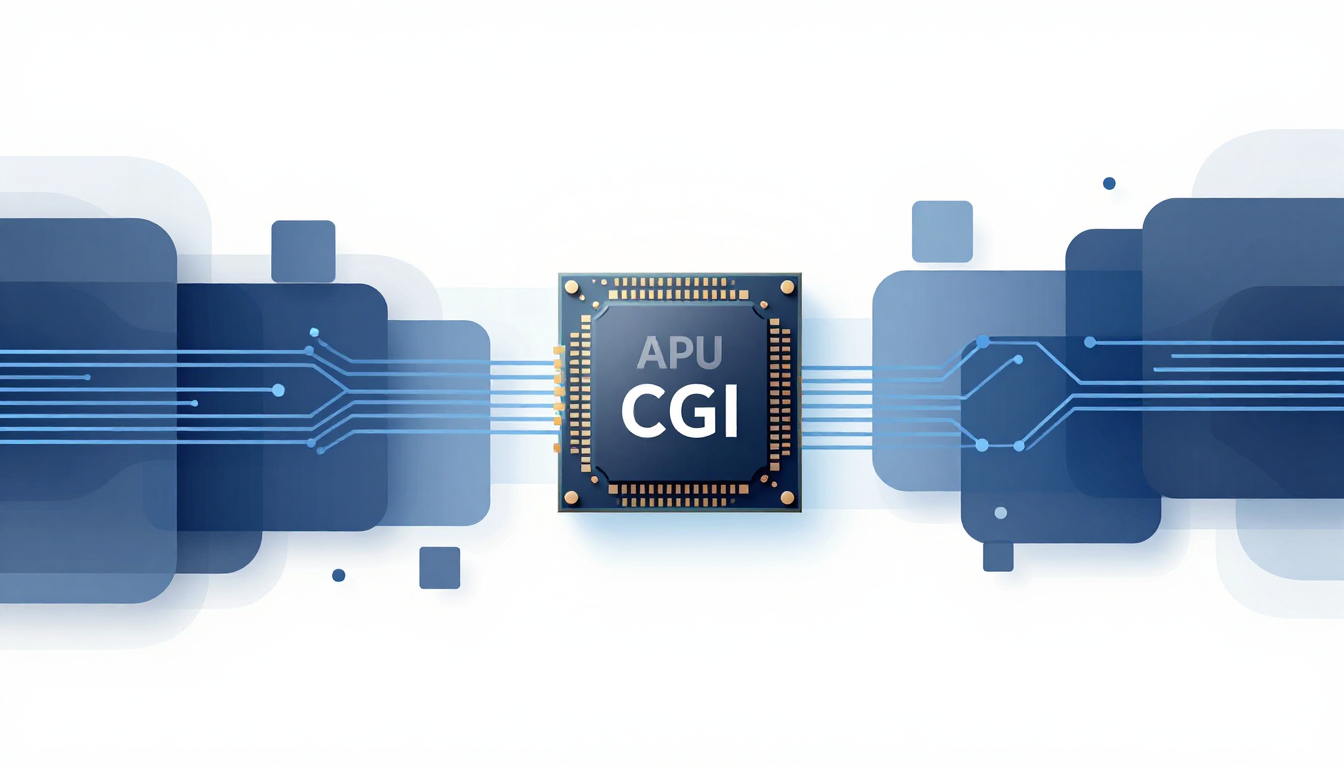
Why AI Agents Are Driving a New Era of CPU Innovation Beyond GPUs
A deep dive into how the rise of agentic AI is reshaping silicon design, with Arm's AGI CPU and Nvidia's Vera as key indicators of a paradigm shift from GPU-centric to hybrid CPU-GPU architectures.
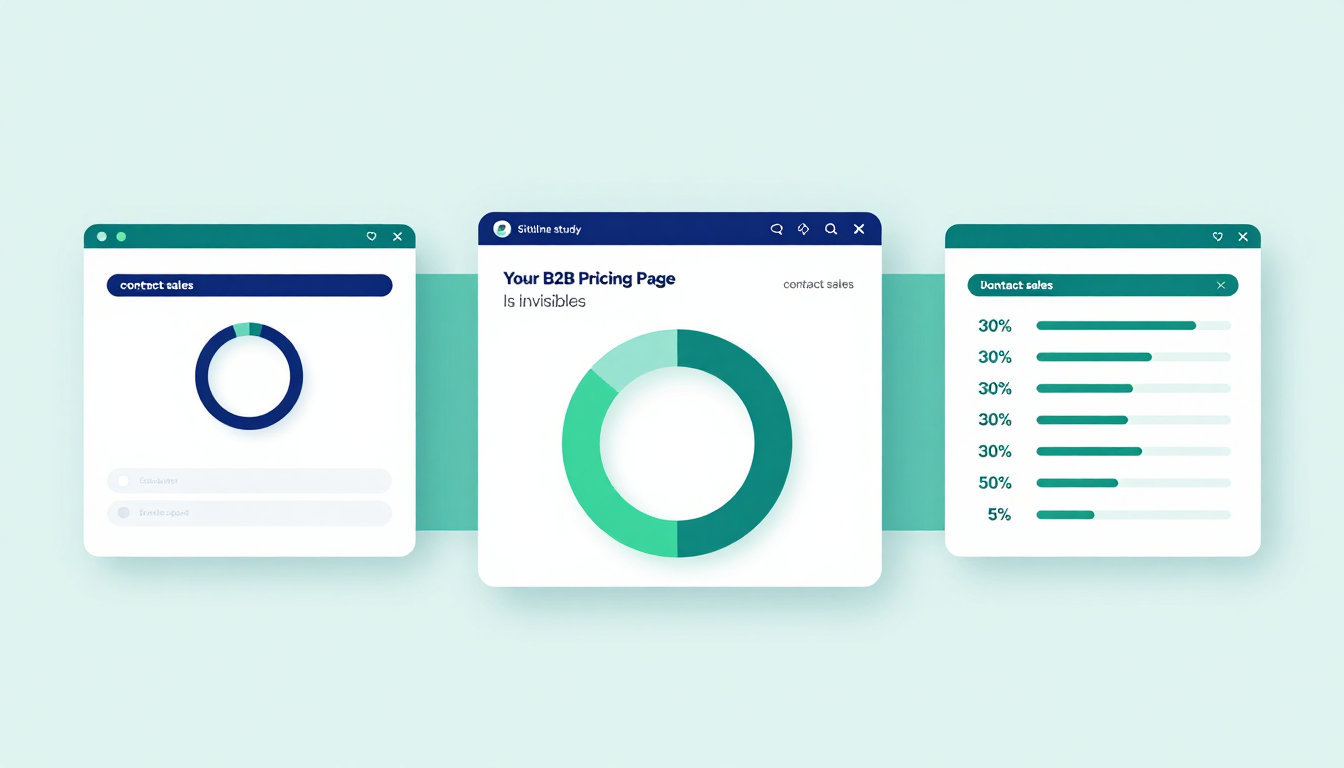
AI Agents Can't Read Your B2B Pricing Page — Here's Why
A Siteline study testing a Claude agent on 100 top B2B software products found that JavaScript-rendered pricing pages and "contact sales" walls cause agents to fall back to third-party sources that may be stale or incorrect, with 30% of runs facing access errors and 5% abandoning brand sites entirely.
AI Governance Isn’t a Feature—It’s the Foundation for Safe Agentic AI
Agent frameworks coordinate tasks, but they can't enforce compliance. A dedicated orchestration layer—rooted in ontologies and decision provenance—is the only way enterprises can deploy autonomous agents safely at scale.
Kubernetes Was Built for Stateless Requests — AI Cloud Infrastructure Companies in India Are Building What Agents Actually Need
Kubernetes optimized the world for stateless HTTP requests. AI agents are long-running, stateful processes that break every assumption the platform was built on — from scheduling heuristics to security models. Here's what the infrastructure mismatch looks like in production, and why a new abstraction layer is finally arriving.
Neverclick's Agentic Labs Approach to Mouse-Free Computing Works Everywhere
Built by an RSI sufferer, Neverclick uses a lightweight local computer-vision model to detect UI elements and perform mouse actions from the keyboard — no accessibility APIs, no cloud AI, works in every Windows app.
X Launches Hosted MCP Server to Simplify AI Tool Integration
X has unveiled a hosted Model Context Protocol (MCP) server, removing the need for developers to build and maintain their own integrations so AI assistants like Claude, Cursor, and Grok Build can connect directly to the platform's API using user permissions.

How a Benign GitHub Repo Can Hijack Your Machine Through AI Coding Agents
Mozilla's 0DIN researchers demonstrated a supply-chain attack where a clean-looking GitHub repository tricks AI coding agents like Claude Code into executing a reverse shell — with no malicious code ever committed to the repo, only a DNS TXT record controlling the payload at runtime.
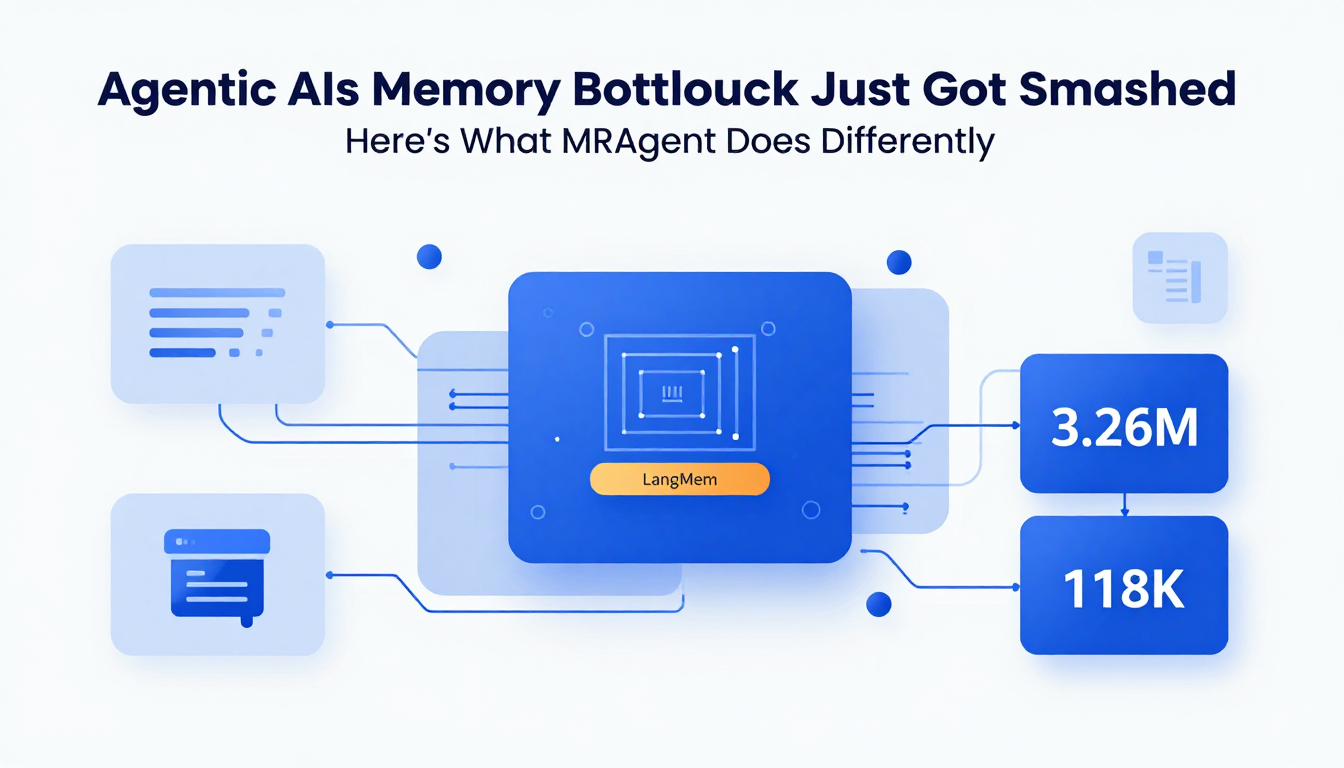
Agentic AI's Memory Bottleneck Just Got Smashed — Here's What MRAgent Does Differently
Researchers at the National University of Singapore built MRAgent, a memory framework that treats agent recall as an active reconstruction process rather than static retrieval — slashing token consumption from 3.26M (LangMem) to 118K per query on long-horizon benchmarks.
Beyond Human Browsers: Why Your B2B Website Is Failing the Agentic AI Test
An exploration of why current B2B websites struggle to support autonomous AI agents, how AI cloud infrastructure companies in India and globally are affected, and how security architectures must evolve.
AI and Cloud Computing Services | Google Cloud: Benchmarking Agents via ZoomInfo's GTM Bench
ZoomInfo has introduced GTM Bench, a new framework designed to objectively score LLM and AI agent performance on practical go-to-market tasks. This article explores how its dual-axis evaluation methodology—measuring task completion and output groundedness—addresses the growing enterprise need for reliable AI performance metrics.