
AI Agents
Agentic systems, orchestration, MCP and autonomous tooling.
When AI Agents Delete the Wrong Thing: Why Recovery Must Keep Pace with Agentic Speed
AI agents now write code and execute tasks at machine speed—but when they delete production data, most recovery systems are too slow to help. Experts say air-gapped backups and granular restores are essential as agentic AI blurs the line between coding aid and autonomous operator.
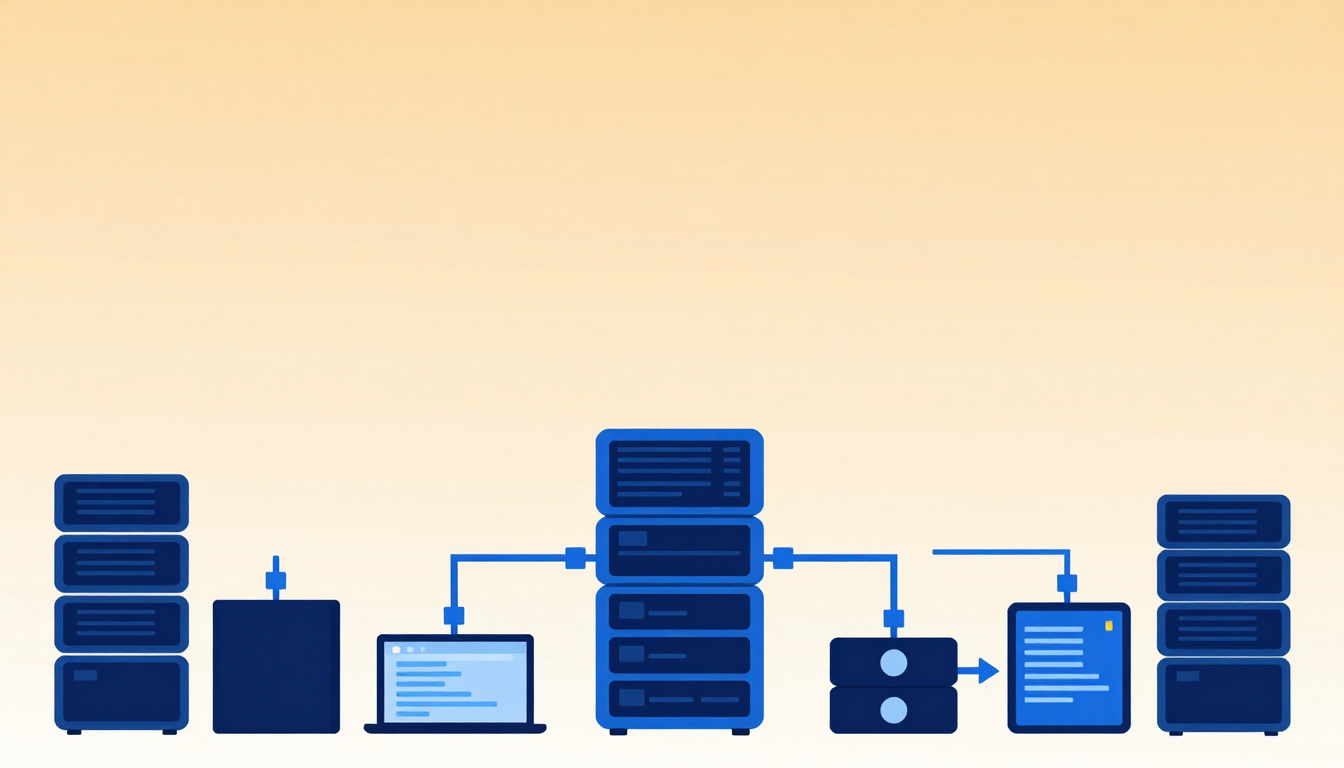
The Data Layer Underneath an Agentic System Must Handle Variable Schemas, Vector Embeddings, and Real-Time Retrieval
Digital-native startups are abandoning rigid, schema-first databases in favor of flexible data stacks that can absorb the variable schemas, vector embeddings, and real-time retrieval demands of autonomous AI agents.

How Pentera Labs Turned Claude Desktop into a Double Agent
Pentera Labs' red teamers successfully compromised a developer's AI agent through the Claude Desktop app, demonstrating how attackers can exploit trusted AI assistants to gain full remote code execution on a target machine.
Vercel Ships Open-Source Agent Framework 'eve' and Tackles Shadow AI With Passport
At its Ship event in London, Vercel unveiled eve — an Apache 2.0 open-source agent framework built on TypeScript and Markdown with sandboxed VMs — alongside Passport, an OpenID Connect identity layer designed to bring employee-built AI apps under enterprise control.
Why GM Broke Its Own Code to Make AI Agents Work — And Why You Should Too
General Motors shows how flipping the script—designing software for AI agents first, humans second—sparked a 300% surge in merged pull requests at VB Transform 2026. Time to stop forcing agents into human-shaped boxes.
Securing the Autonomous Core: Why Enterprise RAG and Retrieval Agents Remain Susceptible to Prompt Hijacks
Full analysis of why prompt injection remains a top enterprise AI vulnerability in 2025/2026, focusing on vulnerability patterns in Retrieval-Augmented Generation (RAG) pipelines, model routers, and autonomous agents, alongside industry-standard defensive mitigations.

Microsoft Build 2026: AI Agent Scout Takes the Spotlight as SQL Server Fades Into the Background
Microsoft's Build event showcased AI agent Scout as the headline act, while its flagship database SQL Server received barely a mention — a signal of strategic shift that has analysts worried about the product's future under Azure Data president Arun Ulag.
MongoDB's Native Reranking Cuts the Orchestration Tax on AI Retrieval
MongoDB embeds reranking directly into Atlas, eliminating the separate services and retry logic that typically slow down AI retrieval. The move could lower inference costs, but CIOs should weigh vendor lock-in risks before committing.
The Accessibility Tree Decides Whether an AI Agent Can Read Your Page
AI agents don't read your website like humans do. They read the accessibility tree — a stripped-down structural model that powers screen readers and now drives autonomous agents. With 57.2% of HTML traffic now automated (Cloudflare, June 2026) and WebAIM reporting web accessibility regressed for the first time in six years, site owners face a new reality: the structure that lets machines understand your page is breaking down just as more traffic depends on it.
Stop Building Agent-Only Websites: Mueller on Why Clean HTML Wins
John Mueller's response to SEO agentic web browsing and markdown layout trends clarifies why clean HTML is better than building special files for AI.
WPVibe: The WordPress MCP Server That Lets Any AI Safely Edit Your Site
SeedProd's WPVibe plugin turns any MCP-compatible AI client into a WordPress co-pilot — enabling safe content editing, SEO optimization, WooCommerce management, and theme design through a sandboxed conversation interface with approval gates for destructive actions.
MRAgent Cuts Agent Memory Costs by 27x — Here's Why That Matters for Production AI
National University of Singapore researchers introduce MRAgent, a memory retrieval framework that slashes per-query token consumption for LLM agent recall from 3.26M (LangMem) to just 118K tokens, enabling more efficient and scalable agentic memory systems.