
Cloud & DevOps
Kubernetes, containers, reliability, networking and operations.

Daily Routines That Reduce Physical Pain and Depression: A Security & Compliance Analyst's Perspective
A study reveals that maintaining a consistent daily routine can significantly reduce physical pain and ease symptoms of depression, offering an accessible strategy for improving overall quality of life, particularly among older adults with insomnia. University of Missouri researchers found that regular behavioral-social rhythms help synchronize the body's circadian clock, providing health benefits regardless of underlying sleep quality.
Securing the Future of Neuropharmaceuticals: The Synthetic 5-MeO-DMT Outlook
An exploration of the synthetic 5-MeO-DMT landscape, highlighting its transition from colloquial 'toad venom' to a serious pharmaceutical-grade antidepressant candidate, exemplified by recent clinical data and major industry investment, analyzed through a compliance and security lens.

Why Every Security & Compliance Analyst Should Study Runway's Real-Time AI Avatar Pivot
When Runway ML couldn't fix an avatar drift bug in its real-time video model, it shipped a front-end feature to hide it. Here is what security & compliance analysts can learn from model evals, hardware failure hell, and practical risk mitigation.

Beyond Memory Loss: A Security & Compliance Analyst on ADHD in Older Adults
Research shows ADHD affects over 2 percent of older adults, yet it is routinely misdiagnosed as normal aging or dementia. Here is how diagnostic frameworks and treatment options bring clarity to later-life cognitive changes.
Why Every Security & Compliance Analyst Should Care About Neural Dual-Circuit Habit Control
Neuroscientists at Kyoto University have uncovered that habits rely on two separate brain circuits—one acting as a gatekeeper for automaticity and another controlling execution volume. Here is why this matters for security practices.

TechCrunch Disrupt 2026: Security & Compliance Insights from 200+ Sessions
An analysis of the security & compliance themes at TechCrunch Disrupt 2026, covering agentic AI vulnerabilities, enterprise AI governance, financial trust, and physical AI safety from 200+ sessions across six stages.

Reliability at a Crossroads: How AI Transforms and Tests the SRE Profession
New AI tools are giving SREs better ways to manage outages and problems, while at the same time AI-generated code increases the problems SREs must face. This article explores the dual impact of AI on the site reliability engineering profession.

Bridging the Divide: How Native WSL Containers Reshape Windows Development
A technical overview of the new WSL-native container support, exploring its impact on AI and cloud infrastructure development on Windows alongside agentic systems.

Rethinking Local Reach: Managing the Migration of Local Services Ads to Performance Max
An analysis of Google's migration of Local Services Ads into Performance Max, detailing critical workflow changes for bidding, budgeting, and reporting that advertisers must address before the 2026-2027 rollout.

Google's $5.8B FCF Deficit vs. Microsoft – AI, Cloud, Productivity, Computing, Gaming & Apps
This report examines Alphabet's Q2 2026 financial results, focusing on the company's surging AI infrastructure expenditures, negative free cash flow of $5.85 billion, and how it compares to Microsoft's AI and cloud business model.

Google Cloud Revenue Surges 82% as AI Adoption Fuels Growth
Google's cloud business is thriving as enterprises adopt AI and AI infrastructure services, driving significant revenue growth.
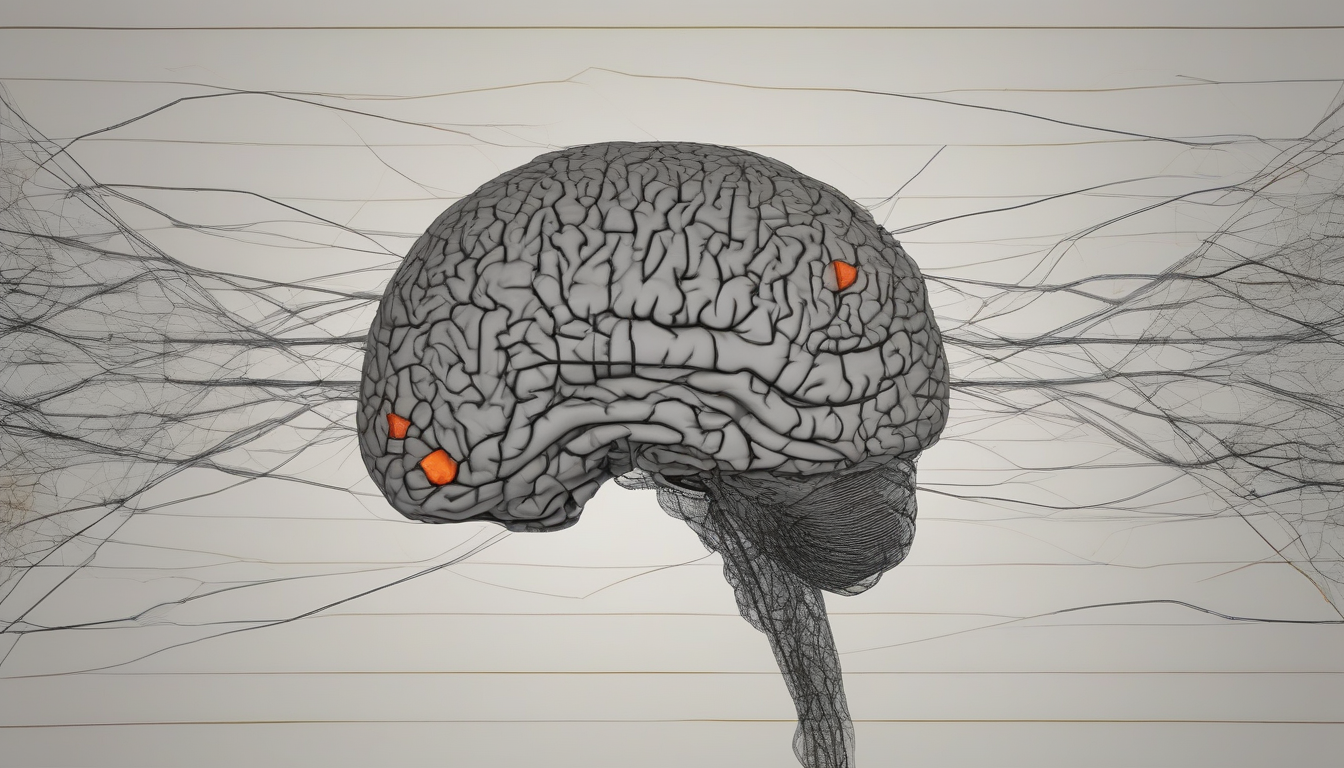
Flattened Brain Dynamics: How Reduced Network Flexibility Reveals Mental Health Patterns
New research reveals that psychiatric patients exhibit reduced dynamic brain flexibility ('flattened' network dynamics), which tracks individual symptom fingerprints more accurately than traditional diagnostic labels.