
Health & Medicine
Clinical research, disease, biotech and medical practice.
The Protein Corona Isn’t a Bug. It’s Your Nanomedicine’s GPS.
An international team of nanoscientists argues the protein corona — long seen as a destructive coating — should be engineered as a dynamic, stage-aware navigation system to guide drugs across the blood-brain barrier.
Computational Modeling Suggests Link Between Tire-Derived Pollutant and Alzheimer’s Risk
A new study uses network pharmacology and machine learning to investigate how 6PPD-quinone, a common tire-derived chemical, may contribute to Alzheimer's disease pathogenesis through neuroinflammation and oxidative stress.
Sleep Complaints, Tau Tangles, and the Women at Highest Risk
A 2026 UC San Diego study finds that in older women with elevated polygenic Alzheimer's risk, worse sleep quality correlates with reduced visual memory and increased tau tangles — but only in that high-risk group, suggesting sleep may be a modifiable early-warning signal.
The Reassurance Loop: How AI Chatbots Fuel Compulsive Health OCD
An in-depth look at how the always-available, frictionless nature of conversational AI chatbots acts as an amplifier for health anxiety and OCD compulsions, and how clinicians can address it.
Integrating Self and System: The New Holistic Hybrid Health
A comprehensive, human-centric framework for well-being in the hybrid age, stressing agency, double literacy, and environmental sustainability.
Mechanochromic Skin Turns Touch Into Real-Time Color Maps Without Algorithms
A soft polymer skin embeds mechanochromic sensing in its molecular structure, transforming pressure into instant visible structural color, enabling high-resolution robotic touch with simple cameras and zero computational latency.
Half of Psychosis Patients Achieve PTSD Remission in Landmark Trial
A landmark UK trial demonstrates that integrated trauma-focused CBTp achieves 50% PTSD remission in patients with co-occurring psychosis, overturning decades of clinical exclusion and fear.
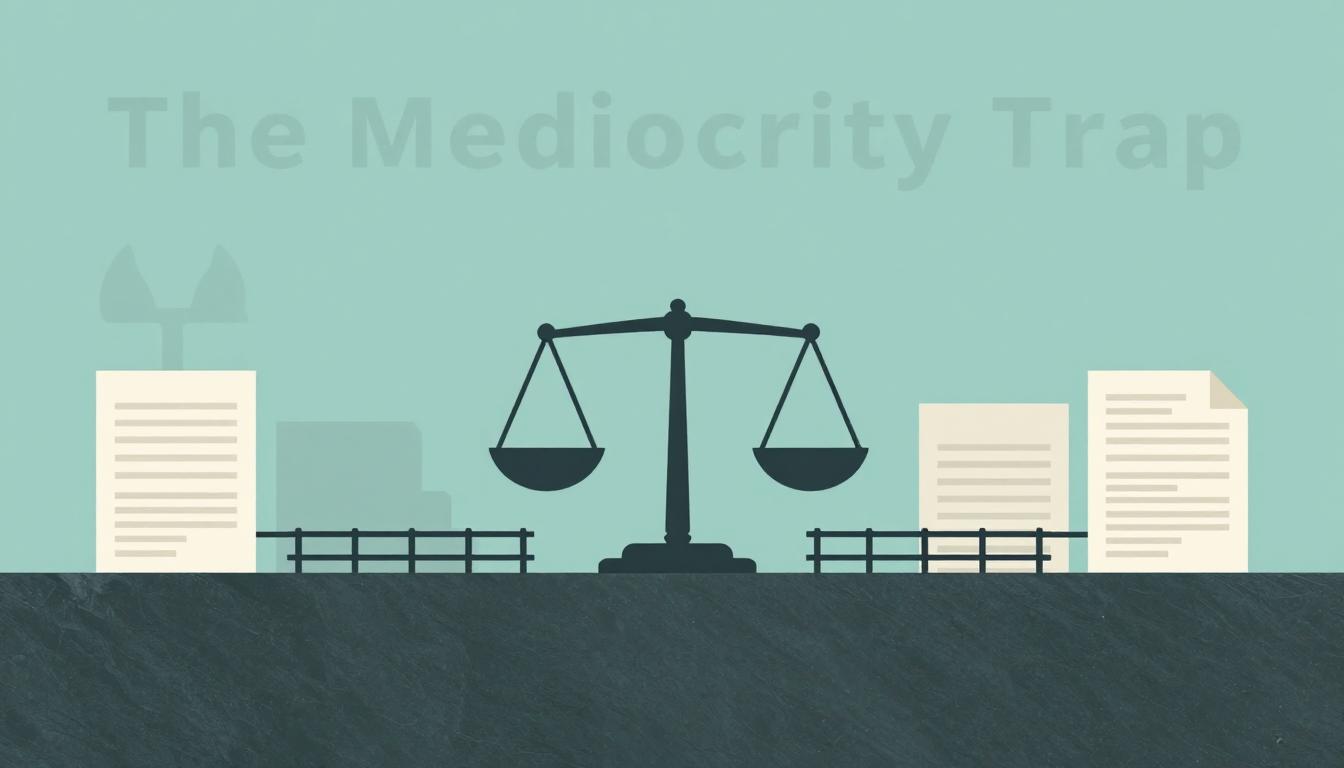
The Mediocrity Trap: How CRISPR Eugenics Could Erase Human Excellence
CRISPR-based embryo selection and germline editing promise designer babies but deliver only altered ones—whose strengths become hidden weaknesses. Even a 1942 eugenicist warned that eliminating bipolar disorder would produce a population of mediocrities, capable of pushing but not leaping.
These Cells Could Save Your Sight Before You Even Go Blind
Duke University researchers have engineered functional human retinal endothelial cells from induced pluripotent stem cells using Norrin–Frizzled4 signaling, enabling precise modeling of diabetic retinopathy and preventative regeneration of damaged ocular vasculature.

UpDoc AI Just Got FDA Clearance. Here’s What It Actually Does (And Doesn’t).
UpDoc AI earned FDA 510(k) clearance (K253281) for a patient-facing LLM that autonomously adjusts insulin doses between in-person visits, backed by an $18M seed from Mayo Clinic and Eli Lilly. The system operates within strict physician-defined parameters using a three-module architecture (provider portal, patient app, cloud app) and is cleared as an enhanced version of the d-Nav predicate device.
The Healing Power of Having Opinions: Reclaiming Judgment in the Clinical Space
Explore how Lauren Mizock Ph.D. reframes therapy as a constructive zone for patients' judgments, unlocking crucial evolutionary signals and overcoming cultural stigmas around negativity.
Beyond the Diagnosis: How New Medications and Person-Centered Care Are Transforming Dementia Support
Exploring how FDA-approved amyloid-targeting drugs and innovative care models are shifting dementia support from symptom management to preserving personhood and dignity.