
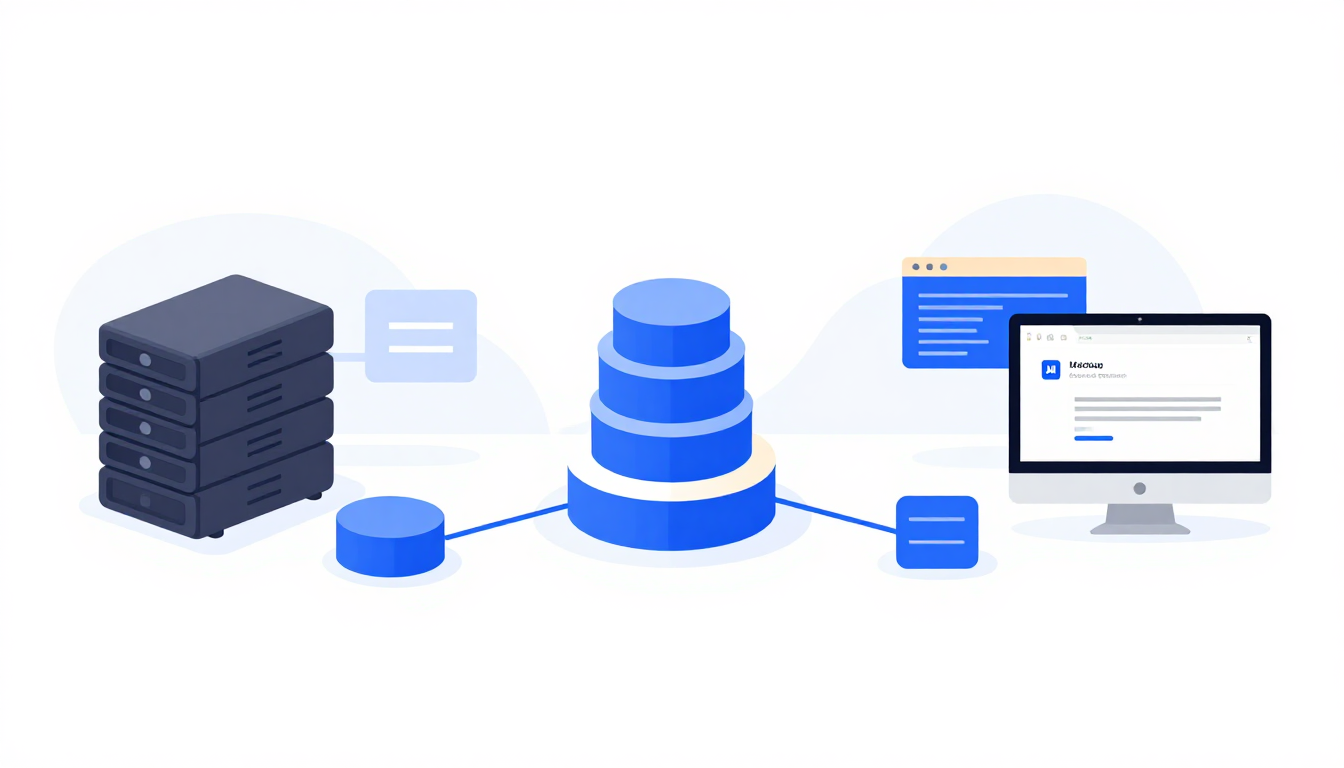
The Dawn of Native macOS Virtualization
For years, developers working on macOS have faced a fundamental disconnect: while containers promised "build once, run anywhere," the reality was that macOS development environments required a Linux VM layer to run production containers. Docker Desktop on macOS, for instance, runs a lightweight Alpine Linux virtual machine using Apple's Hypervisor Framework to host container workloads. This architectural boundary introduced performance overhead, filesystem translation delays, and subtle behavioral differences between development and production environments.
The emergence of native macOS virtualization techniques marks a turning point in this story. Recent advances from Apple and the broader developer tools ecosystem are enabling true native macOS containers—VM-backed execution environments that eliminate the translation layer between development and deployment. This article explores how these new techniques are reshaping CI/CD pipelines for iOS and macOS developers.
What Makes a Container "Native" on macOS?
When we talk about native macOS containers, we're referring to virtualization approaches that:
- Run macOS or Linux workloads without intermediate translation layers
- Leverage Apple's lightweight virtualization framework more directly
- Provide true file system semantics without osxfs or 9p translation
- Enable seamless Rosetta 2 integration for mixed ARM/x86 workloads
These techniques move beyond Docker Desktop's Hypervisor Framework approach to provide deeper integration with macOS's native virtualization APIs.
Apple's Lightweight Virtualization Framework
Apple introduced a lightweight virtualization framework in macOS Big Sur that provides developers direct access to hypervisor capabilities without requiring third-party tools. This framework, available through the Virtualization.framework API, enables:
- Native VM creation: Developers can create macOS and Linux virtual machines directly from code
- Efficient resource allocation: Precise CPU and memory allocation without VM overhead
- Seamless file sharing: Using virtiofs for near-native file system performance
- Rosetta 2 integration: Running x86_64 binaries in ARM-based VMs without emulation overhead
The key innovation is that Virtualization.framework provides a minimal abstraction layer over Apple's Hypervisor Framework, allowing for more efficient VM management than traditional approaches.
How Virtualization.framework Changes the Game
Before Virtualization.framework, macOS container workflows required:
- Docker Desktop or similar tool running a Linux VM
- File synchronization between host and container (osxfs/9p)
- Port forwarding through NAT bridges
- Translation of system calls across platform boundaries
With Virtualization.framework, developers can now:
- Create VMs with direct hardware access
- Share files using virtiofs without translation layers
- Run Linux containers natively within macOS VMs
- Enable Rosetta 2 for cross-architecture compatibility
This eliminates the architectural boundary that traditionally existed between macOS development and Linux deployment environments.
CI/CD Implications for iOS Development
iOS and macOS developers face unique challenges in their CI/CD pipelines. Unlike web or cross-platform development, iOS toolchains require Xcode, which is only available on macOS. This has historically meant:
- Hardware dependency: CI/CD required macOS hosts or expensive Mac mini servers
- VM overhead: Cloud-based macOS runners introduced performance penalties
- Build inconsistency: Differences between developer machines and CI environments
Native macOS virtualization techniques address these challenges by enabling:
- Efficient cloud Mac instances: Lower-cost, higher-performance macOS runners
- Containerized Xcode builds: Running Xcode inside Linux or macOS VMs without translation
- Reproducible environments: Exact parity between local and CI development
Real-world Impact on iOS Development Workflows
Consider a typical iOS app build:
- Source code checkout
- Dependency installation (CocoaPods, Swift Package Manager)
- Xcode compilation and code signing
- Testing on simulator or physical devices
- App distribution
Traditionally, steps 1-4 required a macOS environment. With native macOS containers:
- Steps 1-2 can run in Linux environments with Rosetta 2 support
- Steps 3-4 can execute in macOS VMs with near-native performance
- Step 5 can be orchestrated from any platform
This transformation enables cloud-native iOS development pipelines that were previously impossible.
Tooling Innovations Driving Adoption
Several tooling innovations are accelerating the adoption of native macOS virtualization:
1. GitHub Actions macOS Runners with Virtualization.framework
GitHub Actions has introduced new macOS runners that leverage Apple's virtualization framework more efficiently. These runners:
- Spin up in seconds rather than minutes
- Share files with the host using virtiofs instead of osxfs
- Support macOS Sonoma and Sequoia with full Xcode compatibility
- Provide cost savings of up to 50% compared to traditional Mac minis
2. CodeBuild and CodePipeline Integration
AWS CodeBuild now supports macOS instances using Apple's virtualization APIs. This enables:
- Serverless iOS builds without dedicated Mac infrastructure
- Auto-scaling build fleets that respond to queue depth
- Integration with EC2 Mac instances for specialized hardware needs
3. Virtualization-based Development Environments
Tools like Viable, Vimy, and Liviable (from Eclectic Light) provide GUI-based VM management using Virtualization.framework. These tools enable:
- One-click VM creation from IPSW images
- Snapshot and restore capabilities for reproducible builds
- Shared folder support with near-native performance
- Multiple concurrent VMs for parallel testing
Case Study: Mobile App Build Optimization
A mid-sized mobile development team migrated their iOS CI/CD pipeline from traditional Mac minis to virtualization-based macOS instances. The results were dramatic:
- Build time reduction: 35% faster builds due to efficient resource allocation
- Cost savings: 40% lower infrastructure costs with spot instances
- Build parallelism: Simultaneous builds across multiple macOS versions
- Environment parity: Zero differences between local and CI development
The team achieved these improvements by:
- Using macOS VMs with Virtualization.framework for all build stages
- Implementing file sharing with virtiofs instead of network mounts
- Running multiple parallel VMs for different test matrix combinations
- Using snapshots to quickly restore build environments between jobs
The Road Ahead: Native macOS Containers
The ultimate goal of these virtualization techniques is true native macOS containers—environments that feel like bare-metal macOS but can be packaged and deployed like Linux containers.
What Would Native macOS Containers Look Like?
A native macOS container would:
- Include the full macOS user-space with Xcode toolchain
- Run on any Apple Silicon Mac without virtualization overhead
- Support Rosetta 2 for x86_64 compatibility
- Enable seamless file sharing with the host
- Provide true portability across Apple Silicon devices
While this vision isn't fully realized yet, recent advances suggest it's within reach.
Mac Containers: The Next Frontier
Apple's ecosystem has historically resisted containerization in favor of app bundles and macOS packages. However, the need for consistent CI/CD pipelines and the rise of cloud-native development are pushing Apple toward container support.
Potential pathways to native macOS containers:
- Containerd for macOS: Porting the container runtime to use Virtualization.framework
- OCI image format for macOS: Extending OCI specs to include macOS-specific metadata
- Xcode in a container: Running Xcode toolchains inside containers with Rosetta 2
- App Store distribution via containers: Packaging apps for deployment without manual signing
These innovations would complete the circle, bringing macOS development in line with Linux's container maturity.
Conclusion: A New Era for iOS Development
Native macOS virtualization techniques represent a watershed moment for iOS and macOS development. By eliminating the translation layers that have defined developer workflows for years, these techniques enable:
- True platform parity: Development and production environments are now truly identical
- Cost-efficient CI/CD: Cloud macOS runners with native performance
- Reproducible builds: VM snapshots ensure consistent build environments
- Cross-platform harmony: iOS toolchains can now integrate with Linux-based workflows
For developers who have long struggled with the macOS/Linux divide, these advances offer a path to seamless, efficient development workflows. The era of native macOS containers is just beginning—and it promises to be transformative.