
Consumer Tech
Devices, apps, operating systems and commerce.
Dark Reading Roundup: Texas Laptop Farms and Staples Gift-Card Claims
Dark Reading editors discuss reported North Korean IT-worker laptop farms in Texas and separate allegations involving Staples gift cards; neither story is attributed to AI.
Read Article
PrismML's Tiny Models Force a Rethink of AI Edge Infrastructure
PrismML's ternary quantization compresses a 27-billion-parameter reasoning model under six gigabytes, promising agentic AI on laptops and phones — and forcing a rethink of how AI edge infrastructure gets built, funded, and used.
The Agency That Built Its Own AI Stack Is Now Selling You the Blueprint
OuterBox launched OBxFrontier, a custom AI development service that reverse-engineers the agency's internal AI operating system into client-specific agent deployments. No shelf products, no vendor lock-in, no chatbot theater.

Anthropic’s IPO Prospectus: Growth, Losses and the AI Developer Tools Startups India Investments Question
Anthropic’s reported prospectus pairs explosive revenue growth with billions in losses, enormous infrastructure commitments and unusually candid AI-risk disclosures. Here is what investors and technology leaders should take from the numbers.
Perplexity Bets on AI Multi-Model Orchestration That Routes Itself
Perplexity's new hybrid inference orchestrator decides mid-task what runs on your laptop and what goes to a frontier model. Here's what's real, what's a keynote trick, and why the routing decision is the hard part.

Are 2-in-1 Laptops Worth It for College? The Googlebook Makes You Recalculate
Google's first Googlebooks hit shelves October 4 at $899. Here's what that means for the perennial college debate: are 2-in-1 laptops actually worth it for students, or just a premium tax on indecision?
SeatGeek’s 17-Year Journey: How Startups Challenge Monopolies with Venture Capital and AI
Jack Groetzinger and Travis Ganwell built SeatGeek from a TechCrunch 50 pitch into a $400M+ ticketing leader by challenging incumbents, surviving COVID, and walking away from an SPAC.
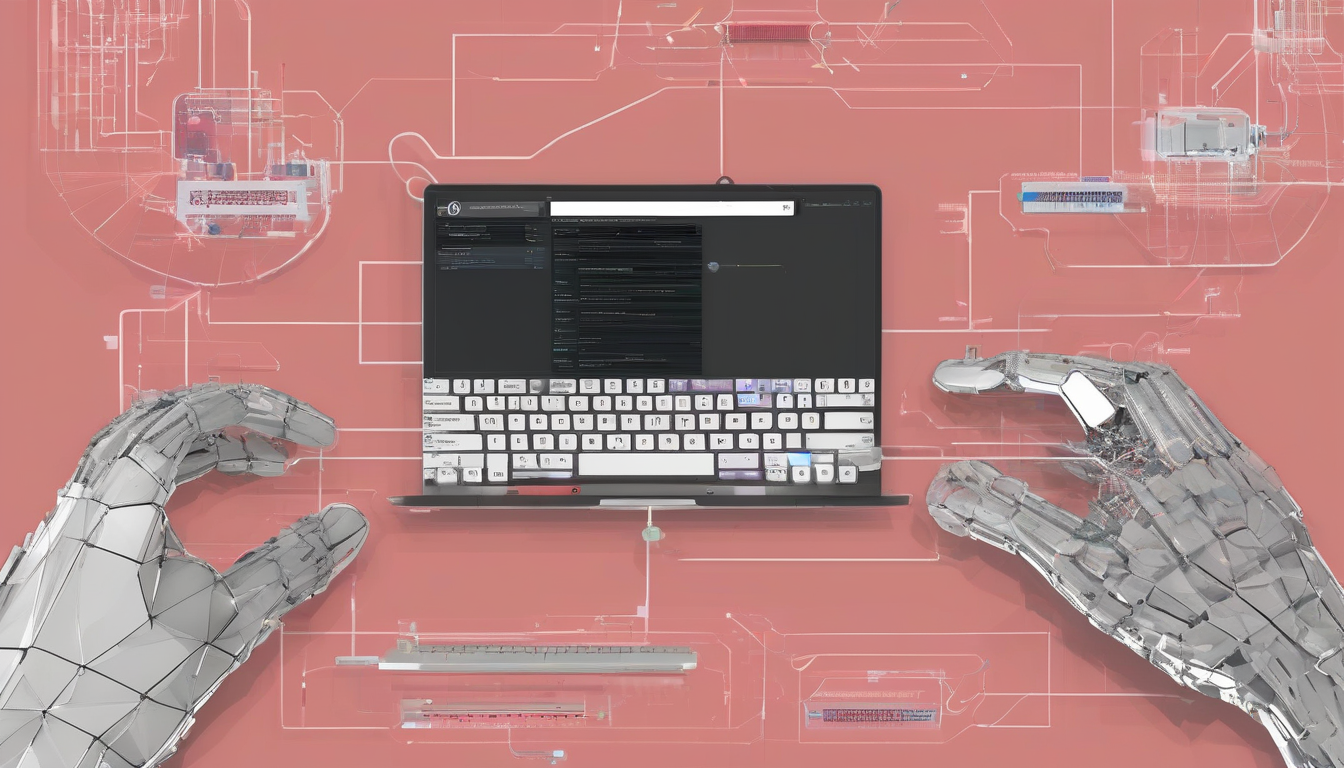
How Neverclick Rethinks AI Consumer Hardware by Ditching Accessibility APIs
Lazo Velko built Neverclick to escape mouse-induced wrist pain. By skipping Windows accessibility APIs for a lightweight, on-device vision model, his free utility operates across any screen element using two-letter keyboard hints.

NextBSD Redux: AI Consumer Hardware and Apple's Darwin on FreeBSD
Joe Maloney's NextBSD Redux merges FreeBSD's robust kernel with Apple's open-source Darwin userland in a clean-room rebuild, using Anthropic's Claude as an official AI collaborator.

Counter-Positioning in AI Consumer Hardware: Why reMarkable Paper Pure Bets on Focus
An in-depth analysis of reMarkable's Paper Pure tablet, examining its hardware refinements, software integrations, and distraction-free counter-positioning strategy against multipurpose tablets.

AI Shopping Isn’t Reading Your Website—It’s Reading Your Data
AI shopping agents don’t browse your site. They parse your structured data, product feeds, and schema markup. Here’s how to make your products discoverable to machine shoppers—and why data quality matters more than SEO keywords.
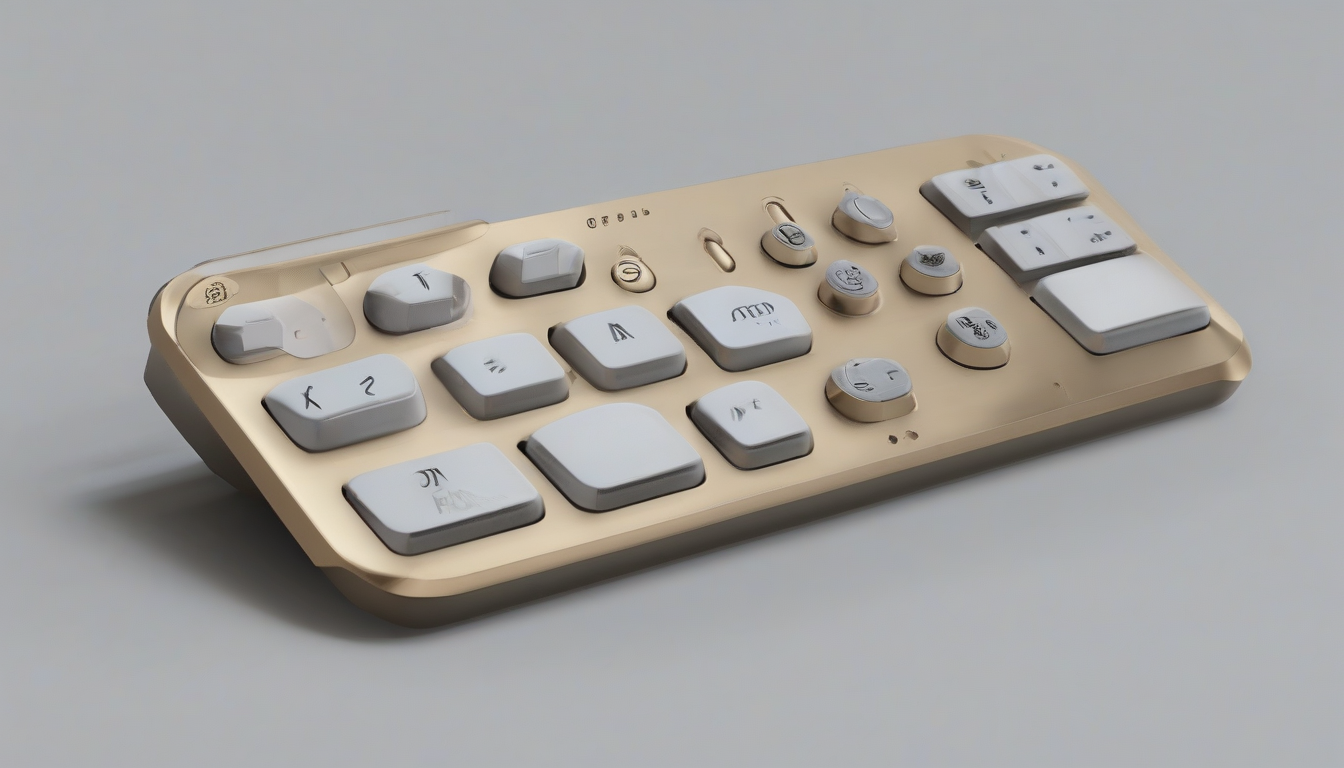
The Micro Keypad: OpenAI’s Bold, Divisive Entry into AI Consumer Hardware
OpenAI's "Micro" keypad, developed with Work Louder, is a $230 accessory aimed at ChatGPT power users and coders, featuring 6 customizable agent keys, 6 command keys, and a voice dictation button. While designed to enhance productivity, it faces skepticism and criticism for its high price and niche utility, with some reviewers dismissing it as a prank. The device arrives amidst broader tensions as OpenAI expands its hardware ambitions.