
Agent Skill Optimization
Articles covering techniques to train natural-language skills for frozen LLM agents without weight updates, including text-space optimization, validation gates, and reusable best_skill.md artifacts.

Why Context—not Capability—Keeps Enterprise AI Agents on the Sidelines
Trace, a Y Combinator-backed startup, raised $3M in seed funding to solve the AI agent adoption problem in enterprises by providing context engineering through knowledge graphs of existing corporate tools.

The Digital Twin Solution for Enterprise AI Agent Training
Arga Labs emerges from stealth with $10M seed round to solve the training problem for enterprise AI agents by creating full digital twins of enterprise software environments.

Why AI's 70th Birthday Is Also Psychology's Birthday
The 70th anniversary of artificial intelligence isn't just a milestone in computing—it's the birthday of cognitive psychology. This article traces the intertwined origins of AI and the human mind, revealing how our machines reflect our flaws, not our perfection, and how psychology's shift from behaviorism birthed both fields simultaneously.

Self-Healing AI: Why ACRouter is Changing How We Route Coding Tasks
ACRouter, an open-source framework, leverages continuous execution feedback to pick the best AI model per task, reducing token costs by over 2.6x.

Decoding the 'J-Space': How Neuroscience Inspires New Transparency in Artificial Intelligence
Investigating how Anthropic's discovery of 'J-space' in Claude Sonnet 4.5—a mechanism mirroring conceptual frameworks in human neuroscience—offers new, startling insights into AI's internal reasoning and potential for authentic intentionality.
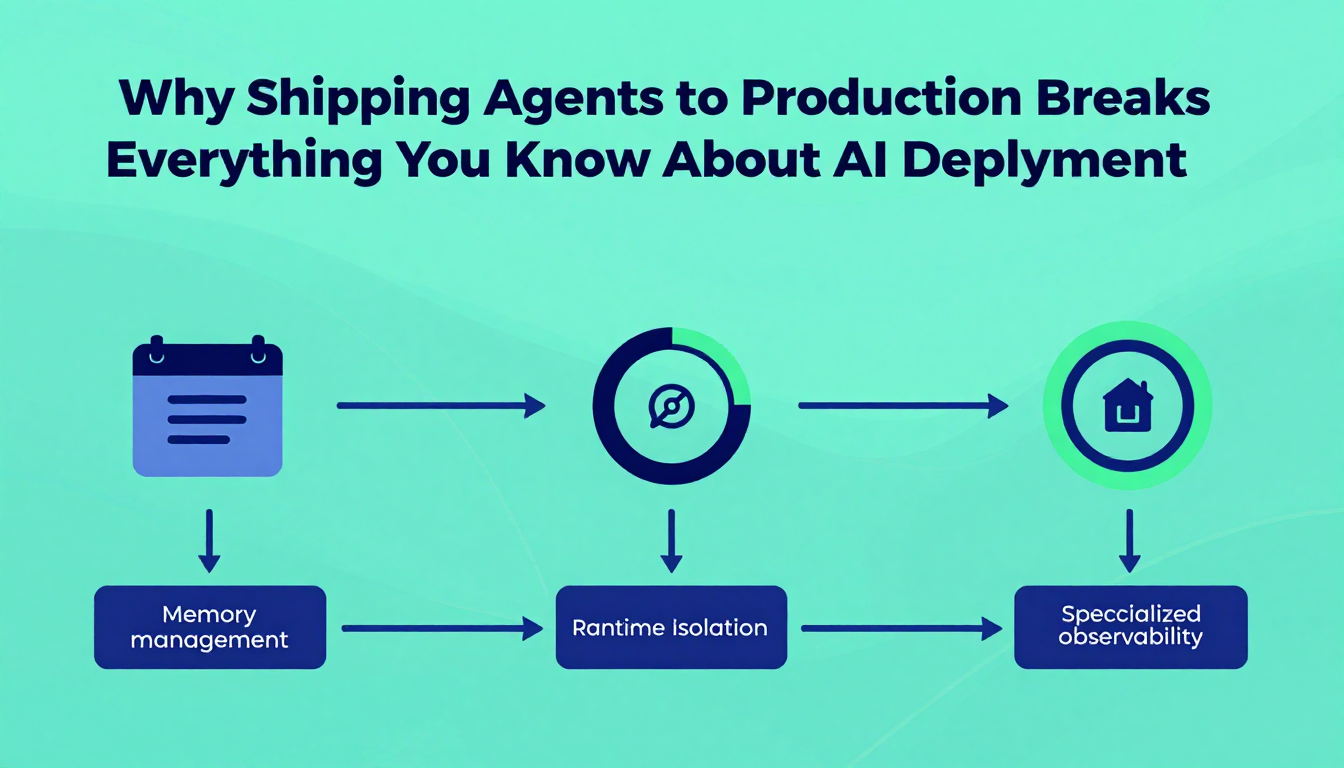
Why Shipping Agents to Production Breaks Everything You Know About AI Deployment
Explains why deploying AI agents to production is not merely an escalated version of chatbot deployment, but demands unique engineering disciplines including orchestration, memory management, runtime isolation, and specialized observability.

x402: The Linux Foundation's Bet on Machine-Native Payments
The Linux Foundation has operationalized the x402 Foundation, an open-governance body stewarding a new payment protocol that embeds financial transaction capabilities directly into HTTP interactions, allowing AI agents and applications to pay for digital services without separate billing systems.
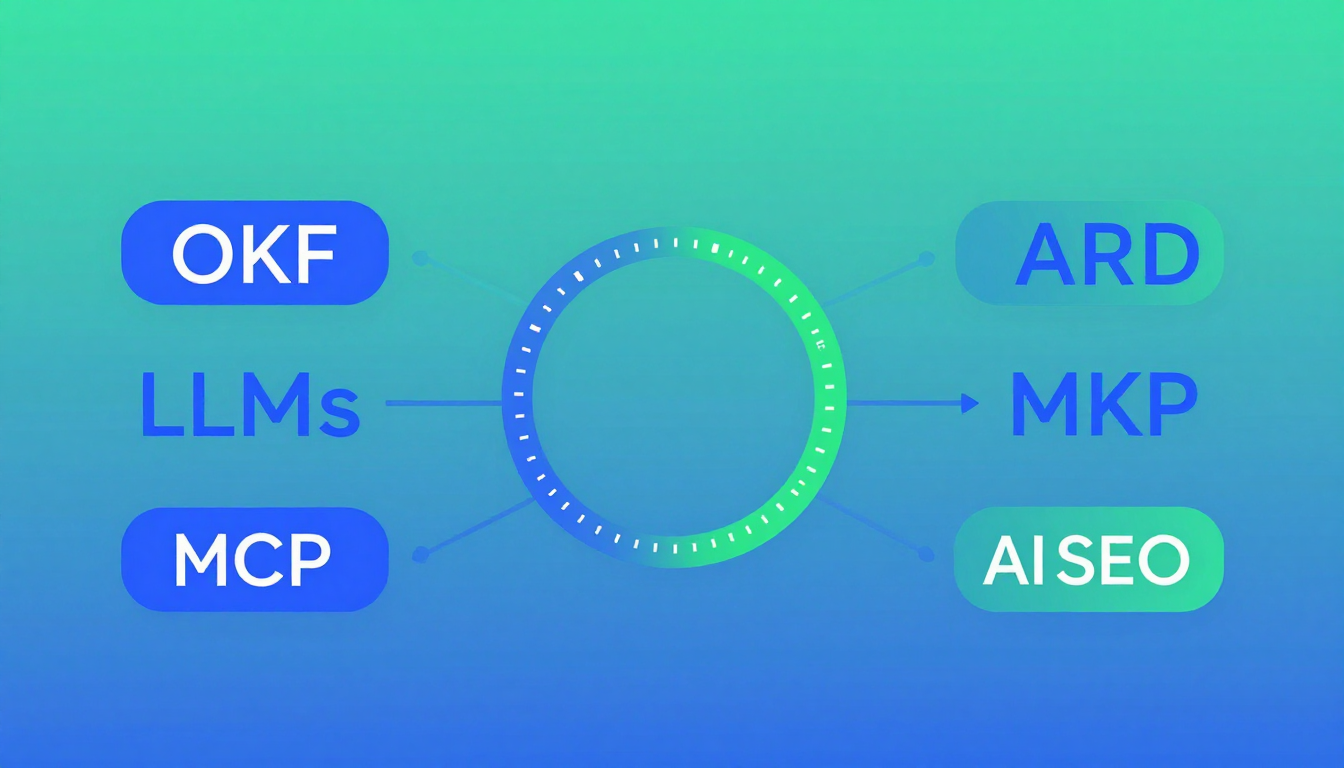
Google’s OKF and ARD: Two New Specs, One Web Layer, and Why SEOs Must Distinguish Them
A clear breakdown of Google's Open Knowledge Format (OKF) and Agentic Resource Discovery (ARD) — what they actually do, how they differ from LLMs.txt and MCP, and why treating them as 'AI SEO' is misleading.
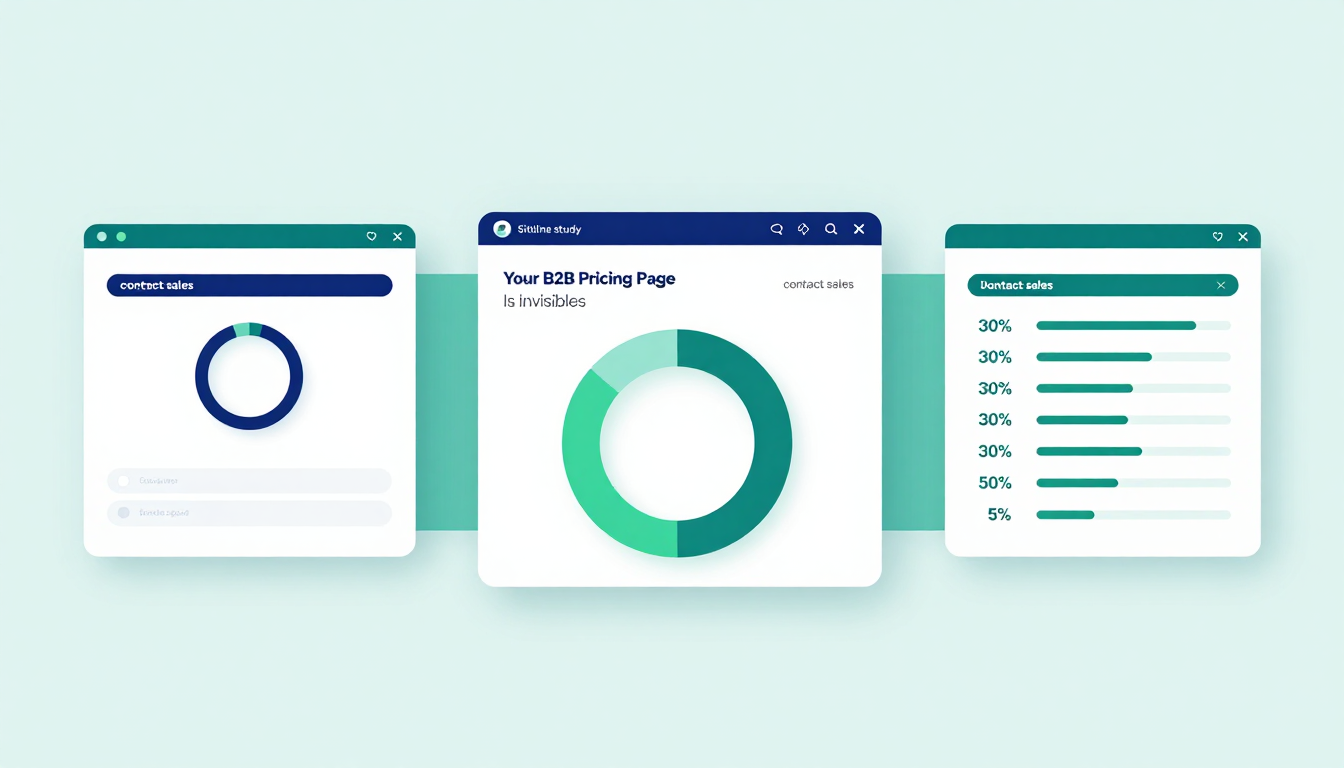
AI Agents Can't Read Your B2B Pricing Page — Here's Why
A Siteline study testing a Claude agent on 100 top B2B software products found that JavaScript-rendered pricing pages and "contact sales" walls cause agents to fall back to third-party sources that may be stale or incorrect, with 30% of runs facing access errors and 5% abandoning brand sites entirely.

AI and Cloud Computing Services | Google Cloud: Benchmarking Agents via ZoomInfo's GTM Bench
ZoomInfo has introduced GTM Bench, a new framework designed to objectively score LLM and AI agent performance on practical go-to-market tasks. This article explores how its dual-axis evaluation methodology—measuring task completion and output groundedness—addresses the growing enterprise need for reliable AI performance metrics.
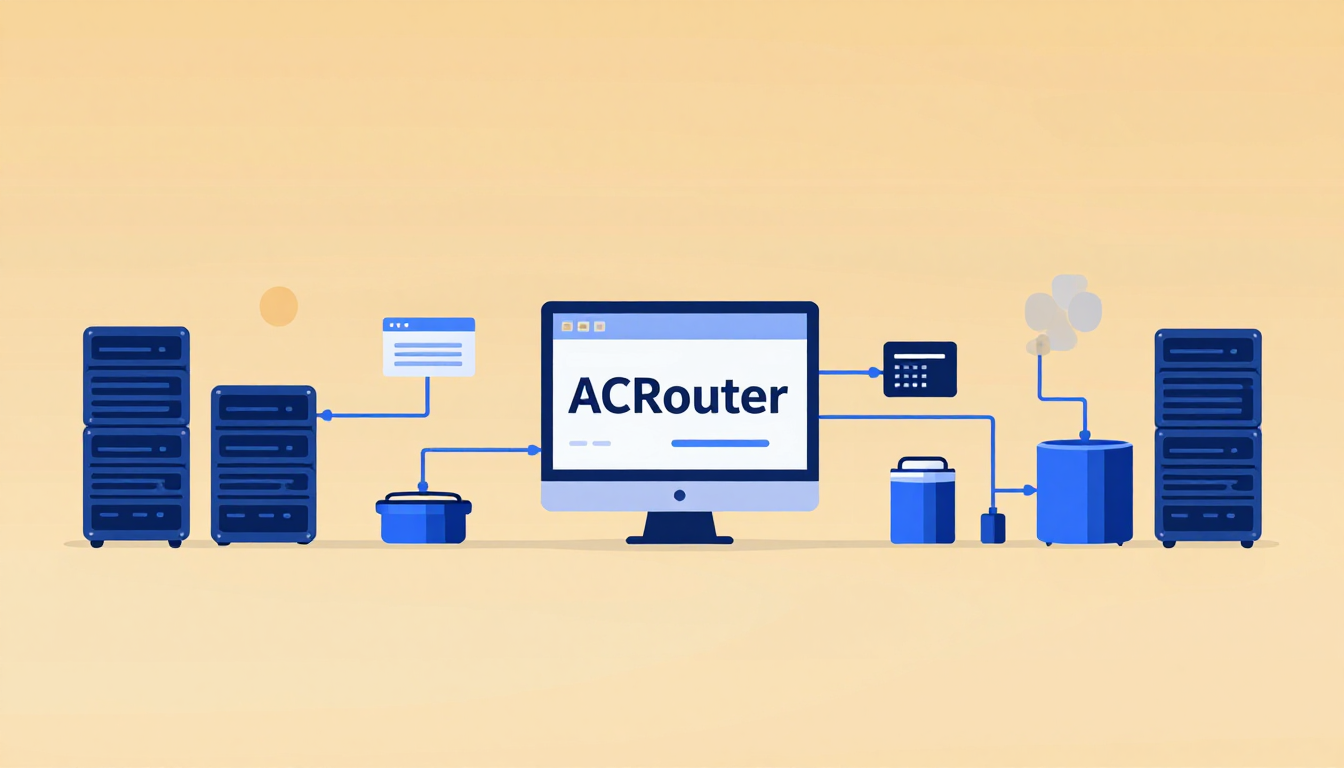
Optimizing AI Infrastructure: How ACRouter Dynamically Allocates Models to Slash Coding Expenditures
An analysis of ACRouter, an open-source framework that routes coding tasks based on compiler and test framework execution feedback, reducing LLM costs by 2.6x.
You Can't Train Your Way Past Mathematical Impossibility in Chaotic Systems
New research using Koopman operator learning demonstrates that infinite training data cannot overcome inherent unpredictability in chaotic systems, reveals why AI hallucinates, and introduces a lightweight algorithm with built-in error bounds that beats supercomputers on Arctic sea ice analysis.