The Off-Grid Power Pivot
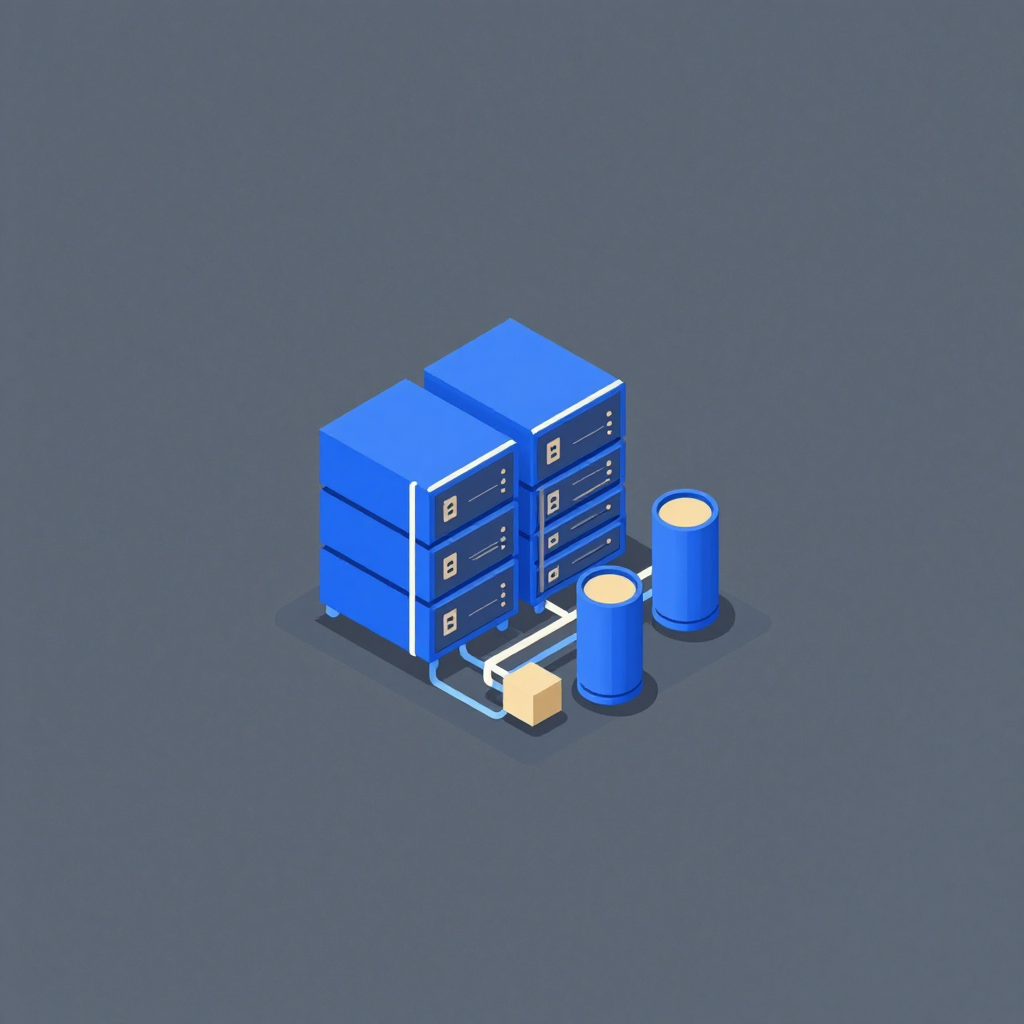
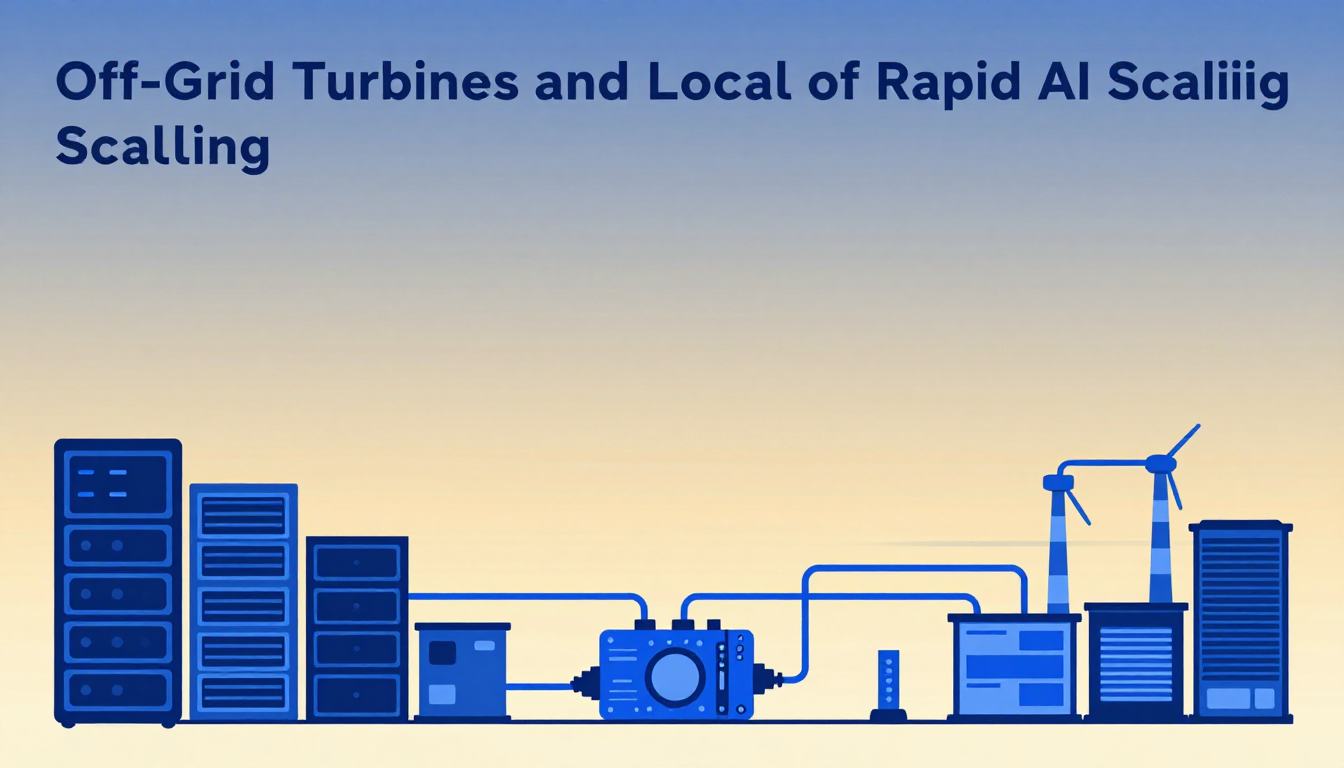
The race to scale artificial intelligence compute has slammed headfirst into the physical limits of the public power grid. Utility interconnection queues in major markets now stretch four to six years, creating a massive bottleneck for companies desperate to train and deploy frontier models. AI developers aren't waiting for utilities to upgrade transmission lines. Instead, tech firms are building shadow power plants right beside their server halls, dropping gas-burning turbines onto datacenter lots to grab immediate gigawatts.
Look at Memphis, Tennessee. In early 2024, Elon Musk’s xAI moved into a vacant Electrolux appliance factory and stood up the "Colossus" supercomputer cluster in just 122 days. Getting that volume of GPUs online required moving hardware originally slated for Tesla and bypassing standard utility timelines. The company deployed dozens of mobile natural gas turbines on-site to generate power directly. According to public records and legal filings highlighted by CNBC reporter Lora Kolodny on The Register's Kettle podcast, xAI has deployed up to 59 gas turbines, with thermal imaging showing over 30 operating simultaneously at peak load.
This pattern isn't isolated to Memphis. Datacenter developers across North America are abandoning grid-first planning in favor of local fossil generation. While conventional cloud facilities historically scaled in predictable 50-to-100 megawatt increments, modern AI training clusters are targeting one to four gigawatts, redefining datacenter hardware infrastructure. The immediate result is a sharp surge in localized fossil fuel combustion right next to residential neighborhoods.
Local Impact and Broken Community Guarantees
For residents living near these impromptu power stations, the physical impact is immediate. In Greater Memphis neighborhoods like Boxtown, Southaven, and Whitehaven, local residents describe a continuous, high-frequency whine akin to living beside an airport runway. Sound measurements near property lines have registered in the mid-70 decibels—flirting directly with occupational health warning levels and creating severe sleep disruption for neighbors.
Acoustic nuisance is only part of the damage. Burning natural gas releases nitrogen oxides (NOx)—a primary precursor to ground-level ozone—and fine particulate matter (PM2.5). These fine particulates are identical to the harmful pollutants found in wildfire smoke, posing direct risks to respiratory health. Because xAI’s facility came together through fast-tracked real estate deals under subsidiary names, local communities had little visibility or opportunity for public comment before operations began.
Corporate promises made to secure local goodwill have also stalled. xAI pledged to support Memphis Light, Gas and Water by building a gray water recycling facility to minimize strain on the local aquifer. Yet as compute operations expand across state lines into Mississippi, the wastewater recycling facility remains unbuilt.
These environmental justice concerns led the NAACP to file suit in federal court in the Northern District of Mississippi, alleging violations of the Clean Air Act for operating gas turbines without proper environmental permitting in historically lower-income and majority-Black communities. In response, the U.S. Department of Justice moved to intervene and seek dismissal of the suit, arguing that xAI’s compute cluster—which powers military applications of Grok—is vital to national security.
The Fast Retreat from Net-Zero Commitments
The resort to fossil-fuel bridge power exposes a wide gap between corporate sustainability marketing and operational infrastructure choices. For years, hyperscalers touted 100 percent renewable energy targets and long-term nuclear power purchase agreements. But small modular reactors (SMRs) and next-generation nuclear tech remain years away from commercial viability.
Faced with immediate compute demand amidst unmeasured enterprise infrastructure spending, tech giants are locking in long-term natural gas infrastructure:
- Microsoft executed a 20-year agreement in Texas to construct a massive datacenter powered permanently by gas turbines, offering no timeline for grid connection or renewable transition.
- Meta publicly highlighted its clean energy ambitions, only to announce two days later a multi-gigawatt facility in Louisiana powered entirely by natural gas.
- Industry Leadership: Former Google CEO Eric Schmidt publicly stated in 2024 that climate targets would not be met anyway, suggesting the tech industry focus entirely on building AI infrastructure to maintain competitive lead. Similarly, U.S. Secretary of the Interior Doug Burgum emphasized an all-of-the-above energy strategy to ensure the U.S. doesn't fall behind international rivals in compute capacity.
This pivot drove a tripling of U.S. natural gas power demand growth in 2025, with long-term estimates projecting over 12 billion tons of cumulative emissions from new gas generation built for datacenters, mirroring the scale seen in gigawatt-scale datacenter builds.
Local Moratoriums and Grassroots Pushback
With federal enforcement taking a back seat under deregulatory policies, municipal and state leaders are stepping in to establish guardrails. Local communities are realizing that once construction finishes, datacenters employ relatively few workers compared to manufacturing plants or logistics facilities, leaving regions with high utility strain and minimal long-term job creation.
States and towns are flexing regulatory power to protect local infrastructure:
- State Moratoriums: New York Governor Kathy Hochul enacted a one-year moratorium on new datacenter permits to evaluate grid impact and regional environmental standards.
- Ratepayer Protection: New Jersey Governor Mikie Sherrill signed legislation requiring datacenter operators to pay for all necessary electrical grid upgrades directly, preventing utilities from passing infrastructure costs onto residential ratepayers.
- Strict Municipal Zoning: Townships in Michigan and Mississippi are amending local land-use codes. Emerging regulations enforce strict 50-decibel sound limits measured 60 feet off property lines, mandate closed-loop water cooling to safeguard local water tables, and eliminate off-grid gas turbine permit exemptions.
- Tax Incentive Rollbacks: States like Ohio have moved to curb property tax abatements for facility developers who fail to meet strict environmental benchmarks.
Infrastructure Realities for the Compute Boom
Managing power for AI workloads introduces unique engineering challenges compared to traditional cloud hosting. Training runs and inference spikes create highly volatile electrical loads. This fluctuation forces off-grid gas turbines and cooling towers to ramp up and down unpredictably, intensifying noise variations and thermal stress on local systems.
There are pathways to align compute expansion with grid stability, but they require structural accountability. Google's agreement with Xcel Energy in Minnesota demonstrates one potential model: funding nearly 2,000 megawatts of new local renewable capacity combined with large-scale iron-air battery storage to smooth out grid volatility.
However, corporate transparency remains a sticking point. While hardware vendors like Nvidia acknowledge climate risks and extreme weather events in investor disclosures, they have simultaneously advised shareholders to vote against mandatory Scope 3 emissions reporting—obscuring the downstream environmental footprint of their silicon once deployed in customer datacenters.
Until local zoning laws, real grid investments, and financial accountability catch up with hardware deployment, the true cost of rapid AI scaling will continue to be borne by local communities breathing in turbine exhaust and living with constant noise.