The Off-Grid Power Crisis in AI Buildouts
The electric grid can't keep up with artificial intelligence. Tech giants want multi-gigawatt compute facilities online today, but regional utilities routinely take five to seven years just to finish transmission interconnect studies. Rather than waiting on utility interconnections, hyperscalers and venture-backed labs are quietly turning to an old, dirty workaround: building private power plants directly behind the meter.
Look at Memphis, Tennessee. When xAI rushed to stand up its 100,000-GPU "Colossus" facility inside an old Electrolux plant, it didn't wait for local power lines to catch up. The company deployed up to 59 industrial natural gas combustion turbines directly on-site to bypass utility delays. According to recent reporting on The Register's Kettle podcast, those combustion units ran continuously to power training clusters before permanent grid ties were secured. Running dozens of unmitigated gas turbines produces massive volumes of nitrogen oxides (NOx) and fine particulate matter (PM2.5). PM2.5 is the exact same lung-damaging pollutant found in severe wildfire smoke, penetrating deep into human respiratory systems.
This isn't an isolated anomaly; it's becoming standard operating procedure across the industry. Meta recently made headlines by announcing a high-profile nuclear energy partnership, only to follow up two days later with plans for a 2-to-4 gigawatt datacenter campus in Louisiana powered entirely by natural gas. When time-to-market dictates valuation, corporate environmental commitments get thrown out the window. Hyperscalers are building temporary fossil-fuel infrastructure that quickly hardens into permanent regional pollution sources.
Community Resistance and Public Health Claims
Living next to an off-grid datacenter isn't just an abstract environmental concern; it's a relentless sensory assault. Commercial power plants typically operate four to six gas turbines behind thick acoustic baffling. AI sites often cram dozens of exposed units alongside massive industrial cooling towers into residential peripheries.
In Greater Memphis, local residents like Jason Haley have filed class-action public nuisance lawsuits against xAI. Sound meters placed near property lines routinely register noise levels in the mid-70 decibels—a continuous industrial roar akin to standing next to a jet engine on a tarmac. The noise runs day and night because training workloads don't pause for sleep schedules. Beyond noise, corporate infrastructure promises have repeatedly evaporated once servers start spinning. xAI pledged to construct a gray water recycling plant to avoid draining local municipal aquifers in Memphis. That recycling facility remains unbuilt and stalled, leaving local water tables to absorb the strain of evaporative cooling.
The fallout has triggered legal battles around public health and environmental justice. As detailed in coverage of datacenter infrastructure developments, the NAACP filed a federal lawsuit in the Northern District of Mississippi alleging Clean Air Act violations over unpermitted turbine emissions in historically underserved communities. In response, the U.S. Department of Justice intervened, asking the court to dismiss the lawsuit by invoking national security interests tied to military applications of frontier models. When local health concerns collide with national strategic priorities, defense arguments are being weaponized to shield unchecked fossil fuel burning.
Federal Deregulation Meets State Backlash
A stark policy divide has emerged between federal directives and local governance. At the federal level, figures like Interior Secretary Doug Burgum openly advocate for maximizing energy access at all costs, framing unrestricted datacenter power consumption as a critical imperative to maintain technological superiority. This stance echoes public admissions from tech executives like former Google CEO Eric Schmidt, who acknowledged in 2024 that global climate targets won't be met, arguing that AI buildouts should proceed regardless of environmental targets.
While federal policy leans toward total deregulation, state and municipal authorities are staging a fierce counter-offensive. Local leaders are refusing to let tech companies socialize grid upgrade costs while privatizing energy profits.
- New York Moratorium: Governor Kathy Hochul signed a one-year moratorium halting new datacenter builds exceeding 50 megawatts while regulators evaluate environmental rules and ratepayer impacts.
- New Jersey Cost Guarantees: State regulators now mandate that datacenter operators fund all transmission line and substation upgrades directly, preventing consumer utility bills from spiking.
- Wisconsin Utility Backstops: Regulators refused to waive a $7 billion grid backstop guarantee for Oracle's 1-gigawatt OpenAI project, leaving developers facing over $100 million in annual liability.
- Ohio Tax Incentives: Municipalities across Ohio are stripping away historic tax abatements previously granted to datacenter developers who fail to deliver net-positive economic returns.
As highlighted in analysis of environmental policy shifts, local communities are learning that datacenters deliver minimal long-term employment once construction ends. A multi-gigawatt facility requires immense land, water, and power, yet employs only a handful of technicians. Municipalities are realizing they've traded clean air and stable electric rates for empty promises and noisy server sheds.
Grid Capacity and the Realities of Macro Power
The macro energy reality of the AI boom is catching up with grid operators worldwide. Datacenters are taking over double-digit percentages of entire national power grids. In Ireland, datacenters now consume 23% of total national electricity after years of consecutive double-digit growth. That rapid growth has forced utility regulators to impose strict connection caps around Dublin.
To keep server racks powered, utilities are delaying scheduled retirements of legacy coal facilities and signing emergency contracts for natural gas capacity. Hyperscaler public relations teams frequently tout Small Modular Reactors (SMRs) as the zero-carbon answer to their power demands. But nuclear engineering realities don't match marketing timelines. SMRs face regulatory approvals, supply chain bottlenecks, and deployment timelines that push actual power delivery out past 2035. They offer zero help for workloads that need megawatts this afternoon.
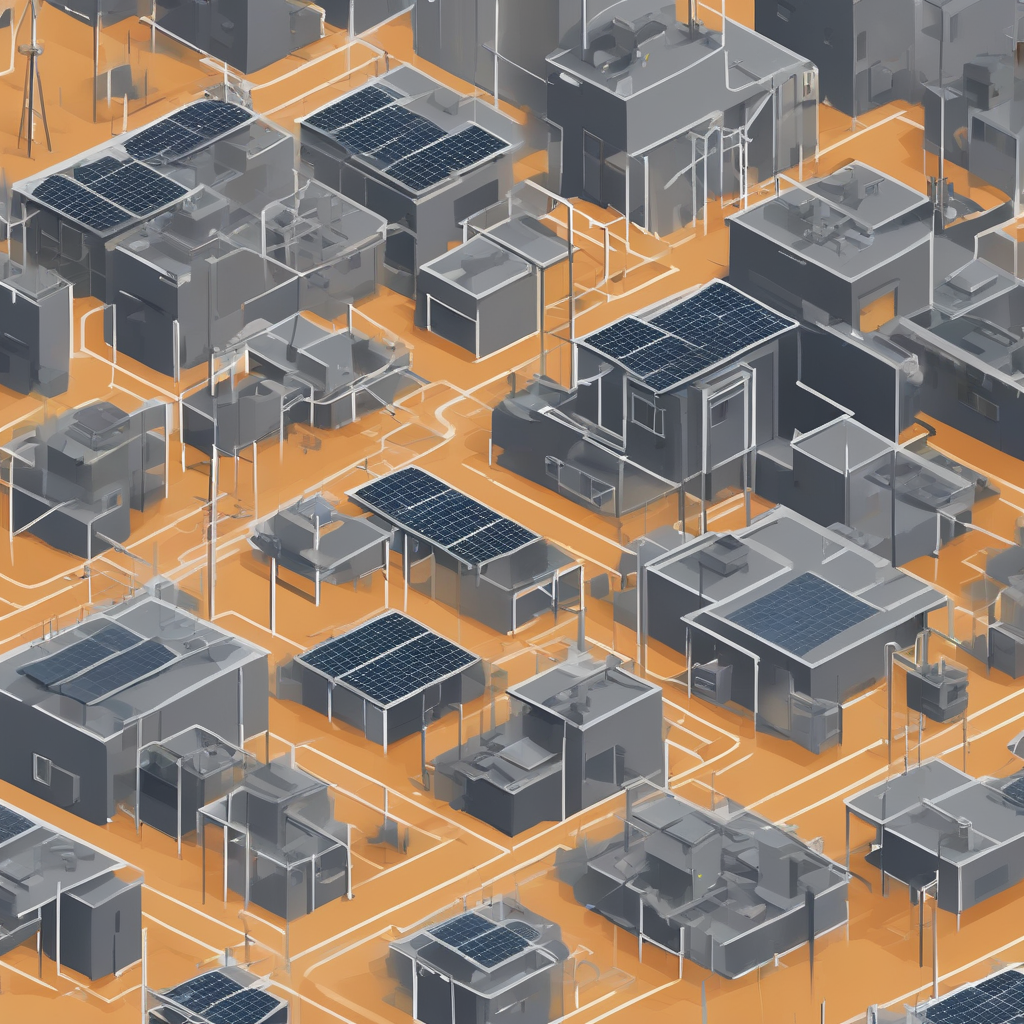
In the near term, the only realistic alternative to dirty off-grid turbines lies in renewable microgrids paired with large-scale storage. Industry studies demonstrate that combining wind, solar, and Battery Energy Storage Systems (BESS) allows operators to deploy zero-emission microgrids years faster and at significantly lower capital costs than nuclear options. Until datacenter operators commit capital to rapid-build renewable storage rather than quick-fix gas turbines, local communities will continue paying the real price of compute with their air quality and electric bills.