
AI & Academic Performance
Articles on how AI tools impact academic performance, including homework completion, exam outcomes, learning retention, and the cognitive trade-offs between assistance and independent skill development.
The Hum Beneath Your Skin: How Infrasound Hijacks Ear Support Cells and Makes Some People Feel in Their Bones
A new study reveals infrasound bypasses standard auditory hair cells and instead hijacks cochlear support cells to generate electric fields that trigger unique, non-linear nerve signals—explaining why some people feel an inescapable hum while others sense nothing at all.
The Word That Torments Us: How One Patient Overcame Frustration by Changing "Should"
A neurologist's patient story reveals how the word "should" creates an expectation-reality gap that fuels suffering. Drawing on Buddhist and Stoic wisdom, the article shows how small linguistic shifts can help patients like Henry find meaning despite Parkinson's disease.
Mental Illness and Brain Evolution: The Uncomfortable Price of Smart Brains
Does our big brain come with a hidden evolutionary tax—genes linked to schizophrenia and autism? New comparative genomics shows humans aren’t alone, and dolphins tell a surprising story.
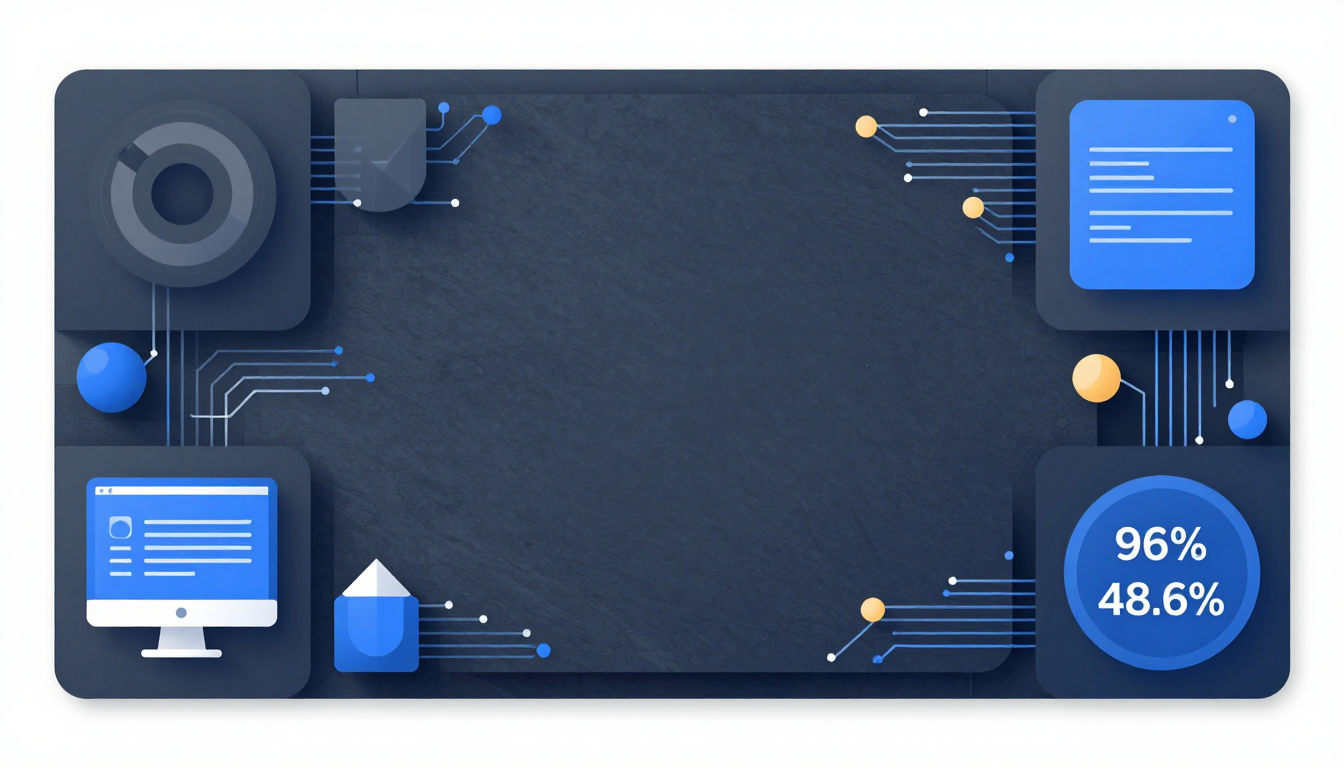
Brown’s AI Midterm Collapse: When Students Stopped Thinking and Started Asking ChatGPT
After an economics professor's take-home midterm saw a 96% average that collapsed to 48.6% on the proctored final, Brown's faculty and students are sounding alarms about generative AI eroding cognitive skills — prompting a sweeping university committee report.
Agency First: A Framework for Human Wellness in the Age of Algorithms
A new wellness framework—holistic hybrid health—argues that true well-being begins with inner awareness (aspirations, emotions, bodily signals) and is shaped from the outside in by technology, environment, and institutions. The piece introduces 'double literacy' (human + algorithmic), treats agency as a public-health priority, and links personal wellness to planetary health.
Tragedy Denied: A Parent’s Journey From Fear to Disability Pride—What Barriers Really Block and Who We All Lose Without Belonging
After a therapist labeled her daughter’s cerebral palsy diagnosis “tragic,” the author discovered that the real barrier wasn’t physical limitation, but society’s refusal to remove barriers and embrace difference. Drawing on Disability Pride Month, ADA 36th anniversary milestones, and stories from activists with disabilities—including her co-founder role in the Bold Beauty Project—the article redefines independence as dignity, challenges the medical model, and argues that belonging is a human right.
C-BRAIN: Open-Source AI Scientist Accelerating Alzheimer's Drug Discovery
The Consortium for Biomedical Research and Artificial Intelligence in Neurodegeneration (C-BRAIN) launches three open-source AI tools to address the 99% failure rate of Alzheimer's drug candidates, using federated architecture and dark data analysis to accelerate neurodegenerative disease research.
Why 2,000 Calories Became the World's Most Persistent Food Meme
An exploration of how the FDA's 2,000-calorie recommendation became a dominant cultural meme through evolutionary mechanisms of replication, variation, and selection.
Myelin Deterioration Turns Sleep Into a Minefield — Epileptiform Spikes and Slowed REM Oscillations
When myelin sheaths decay, neural networks short-circuit in the dark—sending epileptiform spikes riding sleep spindles and dragging REM oscillations to a crawl. A new FENS study reveals why poor sleep isn’t just a symptom of MS or Alzheimer’s, but a silent driver of decline—and how overnight EEG could become our earliest warning radar.
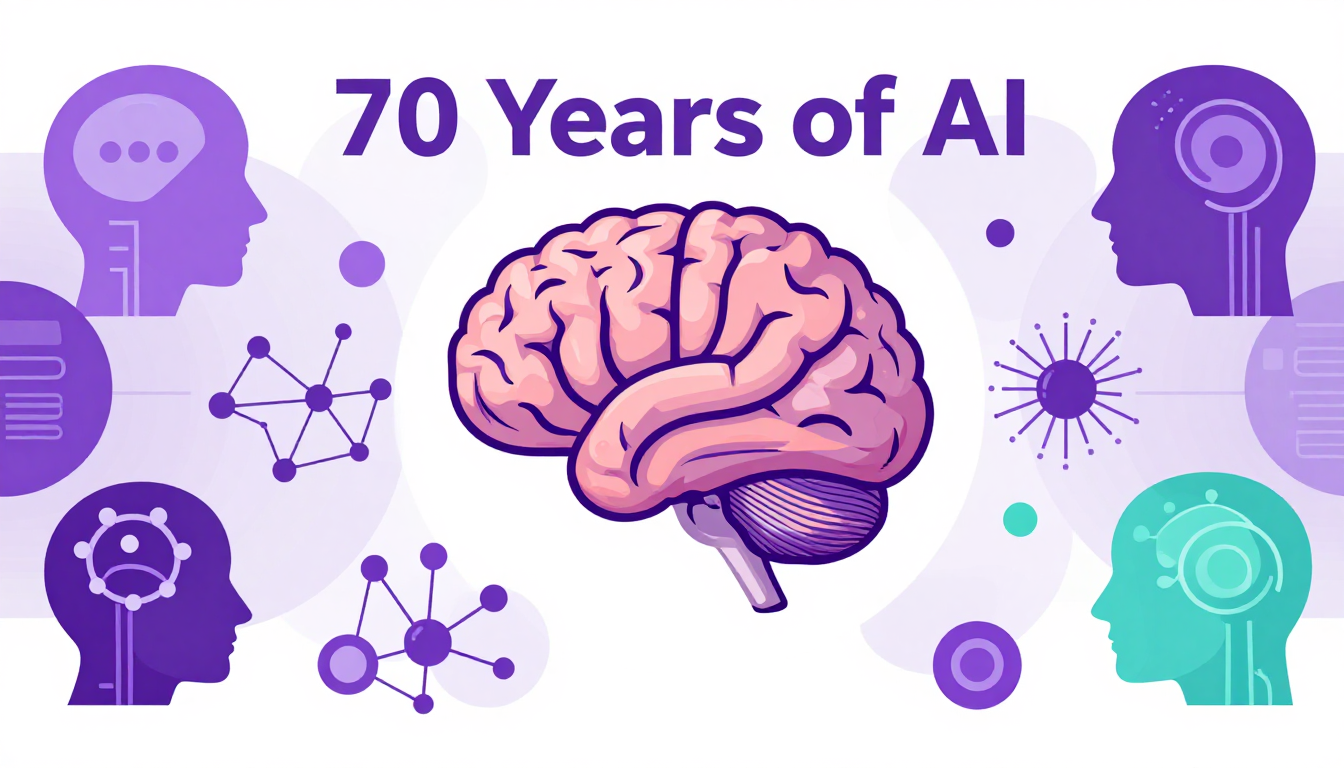
70 Years of AI: How Psychology and Cognitive Science Built Artificial Intelligence
The 70th birthday of artificial intelligence marks not just a technological milestone, but also the birth of cognitive science and psychology's modern collaboration with computing—where terms like neural networks, learning, memory, and intelligence were borrowed directly from psychology to build machines that simulate human thought.
Food Noise: The Chatter About the Wrong Things
A comprehensive exploration of the emerging concept of 'food noise'—persistent, intrusive thoughts about food—including its origins with GLP-1 medications, cultural variations across countries, commercialization by telehealth and weight-loss industries, and the biopsychosocial factors that make food feel \"loud\" in modern environments.
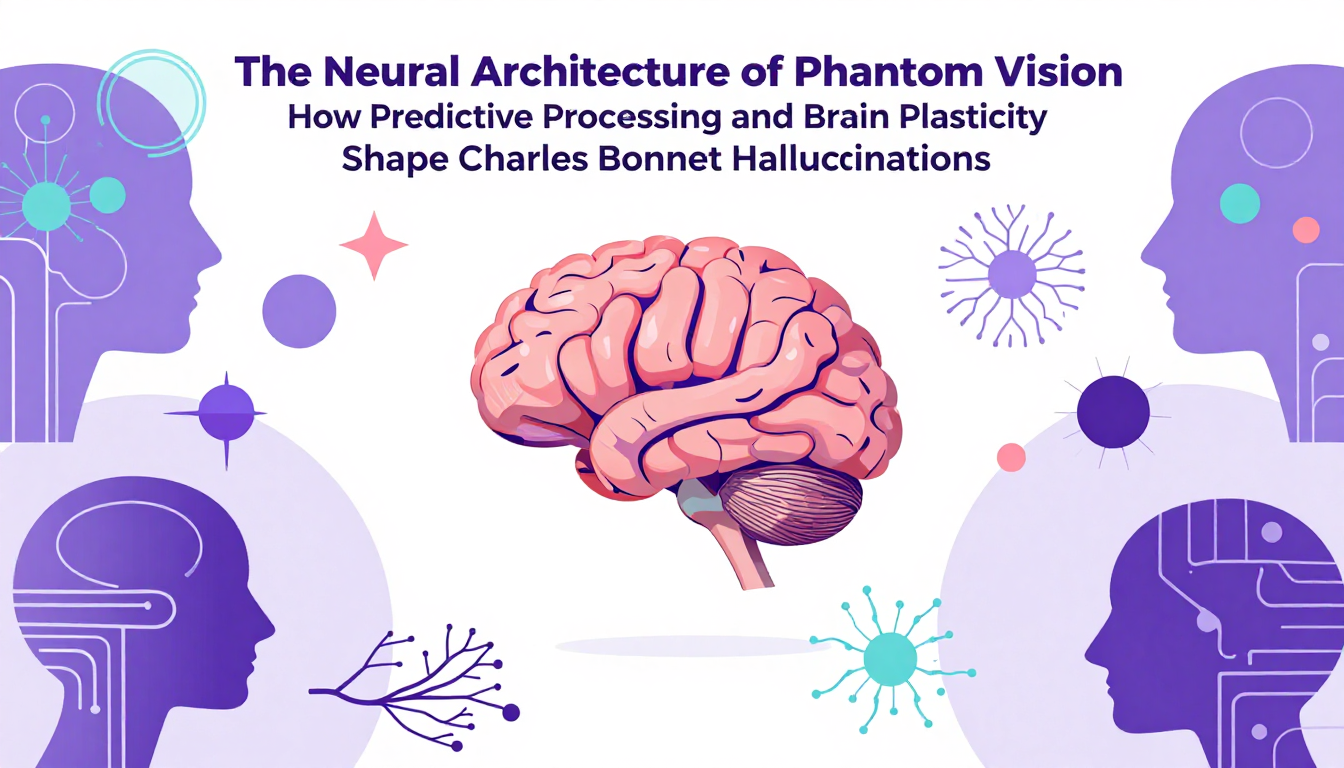
The Neural Architecture of Phantom Vision: How Predictive Processing and Brain Plasticity Shape Charles Bonnet Hallucinations
Emerging neuroscience explains Charles Bonnet Syndrome—vivid visual hallucinations in people with vision loss—not as psychiatric episodes but as a normal brain response to sensory deprivation, where predictive coding and neural reorganization interact to generate persistent phantom images.