
AI & National Security
AI & National Security: Research and reports on the strategic and tactical implications of AI in defense and conflict.

Red Sea Tanker Attacks Push Trump Toward Direct Confrontation With Iran
Houthi rebels strike Saudi Arabian tankers in the Red Sea as Trump escalates military strikes against Iran-backed militants. Analysis of how the conflict threatens global energy markets and risks drawing Washington into a wider war.
Beijing's Dual-Vector Espionage Push Into Central Europe and East Asia
An examination of dual-method data exfiltration campaigns targeting government and public sector entities in Taiwan and the Czech Republic by Chinese nation-state actors.

Beyond the Noise: Unpacking the HTTP/2 Bomb Vulnerability
A closer look at the high-severity CVE-2026-49975 flaw, its impact on large-scale web architecture, and the urgent need for consistent patching across vulnerable server environments.
When a Billion-Dollar Satellite Goes Dark in Orbit, Who Decides It's War?
A Mitchell Institute workshop with 50 military and academic experts gamed out scenarios including an unknown craft maneuvering near a Space Force missile-warning satellite, exploring how commanders decide when hostile space activity crosses the threshold for response.
Taiwan Expands Drone Production via U.S.-Partnerships to Enhance Defense
Taiwan is scaling up its domestic drone manufacturing capabilities through strategic partnerships with US-based companies, including Ubiqconn Technology's collaboration with AeroVironment, to bolster its defense infrastructure against increased regional threats.

The Unravelling: How Andy Burnham’s Makerfield Win Killed Keir Starmer’s Premiership
The emotional and political collapse of Keir Starmer’s premiership wasn’t sudden—it was years of policy drift, internal dissent, and finally, the moment everything tipped: Andy Burnham’s landslide return to Parliament via Makerfield.
Mythos 5: How the U.S. Learned to Stop Worrying and Love AI Defense
The U.S. reversed its ban on Mythos 5—not because it’s safe, but because it’s the only tool that can defend against the threats it was designed to counter.

Glucosamine Supplement Linked to Accelerated Alzheimer's Progression
A new University of Florida study finds glucosamine supplements may increase the risk of progressing from mild cognitive impairment to Alzheimer's disease by 25% through hyper-activation of the hexosamine biosynthesis pathway in the brain.

Bifurcated Breakthroughs: Why Kai-Fu Lee Sees the U.S. and China Dominating Separate Sides of the AI Value Chain
An analytical breakdown of Kai-Fu Lee’s remarks at the WSJ Leadership Institute and his broader views on the AI race, examining how the U.S. controls foundational research while China leads in commercial execution, low-cost APIs, and rapid deployment.
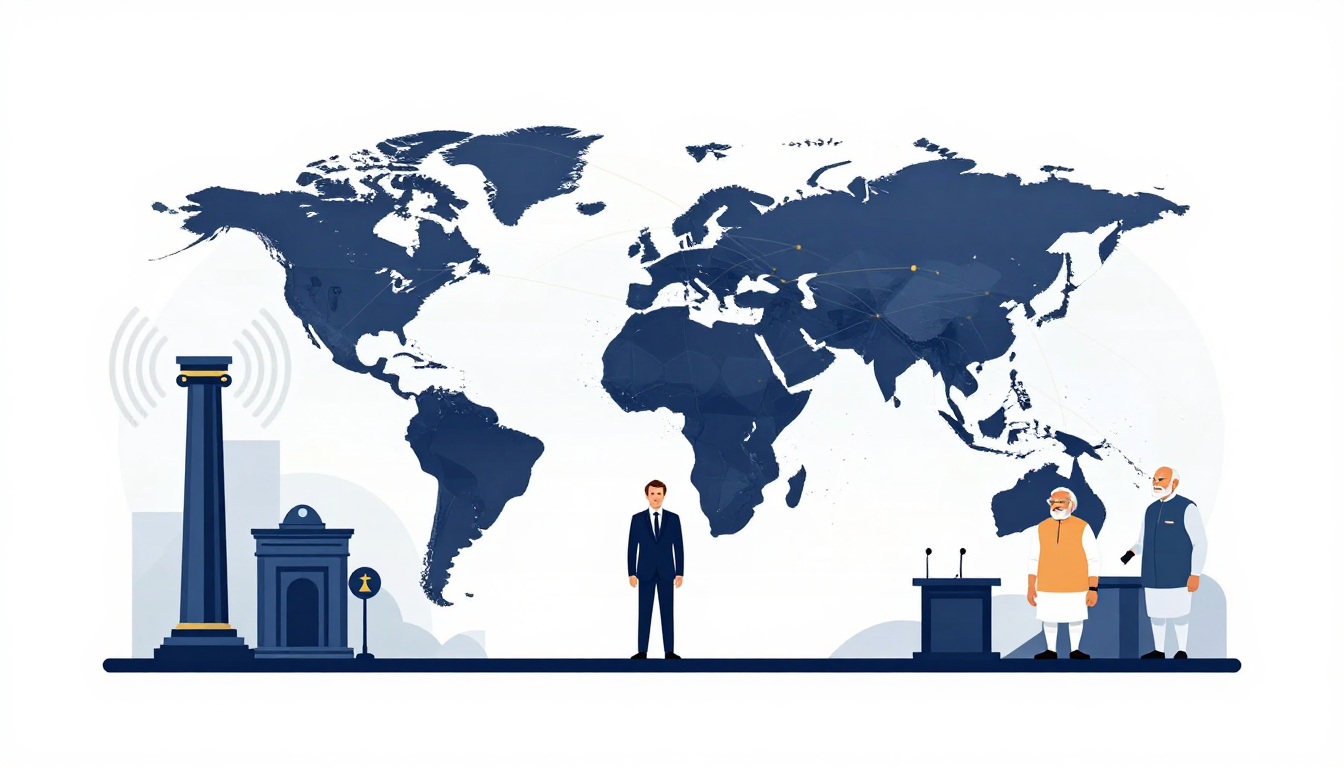
World leaders want American AI. They just don't want America to be able to turn it off.
French President Macron and Indian PM Modi raised alarms at the G7 summit that the U.S. could cut off access to American AI overnight — a fear the Anthropic blackout just made real.
Pentagon Boots AI to Write Congressionally Mandated Reports, Sparks Oversight Concerns
The US Department of Defense has begun using generative AI tools to draft hundreds of congressionally mandated reports, a practice that slashes staffing time from 200 hours to 5 but raises accountability questions as the Pentagon seeks a record $1.5 trillion budget.

Quantum Space's military SPAC is trying to catch SpaceX's IPO wave
Quantum Space, a startup building highly maneuverable spacecraft for the U.S. military, announced plans to go public through a $1.2 billion SPAC merger amid the current wave of mega-IPOs.