The current datacenter building boom has hit a fever pitch. Fueled by the relentless energy demands of generative AI, we’ve seen a frantic, occasionally chaotic race to expand capacity. It seems like almost anyone with a spare bit barn, a long extension cord, a couple of high-end GPUs, and a generous overdraft is convinced they’re the next big infrastructure mogul. But look closely behind the headlines, and the strategy among established industry players is shifting dramatically.
The gold rush, it turns out, is noisy, expensive, and increasingly unsustainable. As power grid constraints tighten and cooling costs mount, the smart money is actually making a beeline for the exits.
The Physical Infrastructure Reckoning
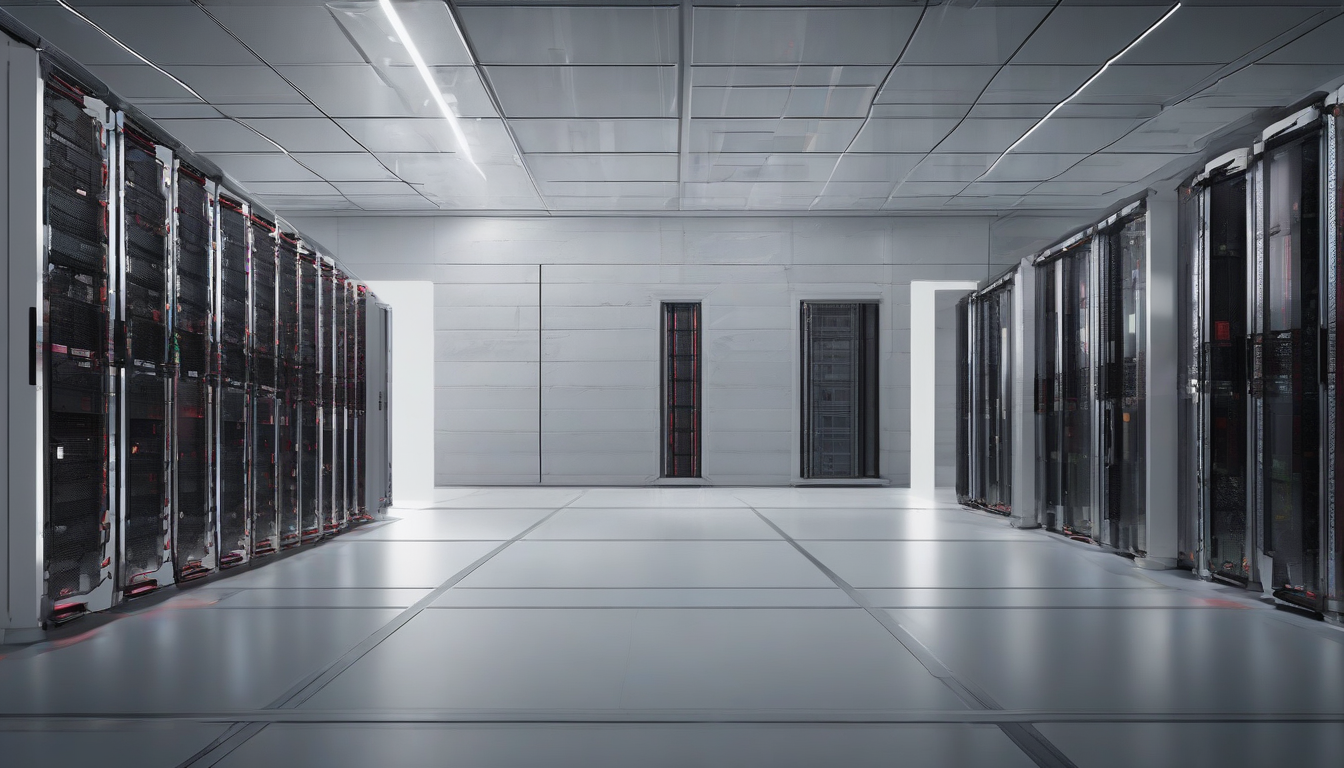
Fujitsu’s recent move to offload five operational datacenters in Australia—selling the business to local private equity firm Next Capital for roughly AUD $200 million—isn't a sign of retreat. It’s an admission that the economics of owning physical, high-density infrastructure have changed.
For many firms, the return on investment for owning the underlying real estate is being rapidly eclipsed by the potential for high-margin, software-defined services. Modern generative AI server clusters, which regularly demand 500kW or more per rack, require massive, complex refrigerant cooling systems and reliable, high-voltage power—necessities that are becoming increasingly difficult and expensive to secure. Fujitsu has clearly determined that its capital—and focus—is better deployed elsewhere: sovereign AI, system modernization, cyber resilience, and, crucially, the pursuit of custom silicon designed for the next era of computing.
The Global Perspective: AI Cloud Infrastructure Companies in India
This pivot isn't happening in a vacuum. Similar dynamics are shaping the market for ai cloud infrastructure companies in India, where infrastructure demand is astronomical but the challenges of power and latency are even more pronounced.
As major players like Amazon make billion-dollar investments to scale their operations, they are finding that simply adding more rack space is only the beginning. The real battle is in orchestration, energy efficiency, and sovereign control. Companies like HCL have recognized that, to remain competitive, they must pivot towards full-stack strategies, offloading the physical heavy lifting to partners while focusing on the high-value software, security, and specialized compute layers that actually deliver value to the enterprise.
Defining the Future: What is Agentic AI?
To understand why firms are divesting from physical datacenters and investing in specialized software-defined tech, you have to look at what’s driving the demand: Agentic AI.
The industry buzz is loud, but a clear definition is essential. According to frameworks from companies like IBM, Agentic AI refers to systems specifically designed not merely to process data or produce text, but to take autonomous, goal-directed action.
The key differentiator here, often highlighted in Google Cloud's research, is autonomy. Traditional AI models process input and return output. Agentic AI systems are designed to interact with tools, navigate complex software interfaces, and execute multi-step workflows with limited human intervention. They possess the ability to reason through obstacles, plan, and self-correct when completing complex tasks. This shift from automation to autonomy is what’s creating the demand for an entirely new kind of compute infrastructure.
The Advent of Embodied Agents
Closely tied to this shift is the concept of the 'embodied agent.' An embodied agent is an AI entity that exists and functions within a physical or simulated environment and can perceive and manipulate that environment.
Unlike a typical chatbot or cloud-based model, an embodied agent consumes sensory input—whether from robotics cameras, environmental IoT sensors, or real-time simulation data—to interact with the world, making decisions in real-time.
For the infrastructure sector, this has monumental implications. As these agents become more prevalent, the need for ai cloud infrastructure companies in India and globally to support the specialized compute, low-latency communication, and secure, isolated execution environments required by embodied AI becomes even more critical. It is no longer just about rack space and bandwidth; it’s about architecting for a world where AI is constantly, continuously acting.
Strategic Pivot: Concrete to Custom Silicon
Fujitsu’s bet on its upcoming Arm-based FUJITSU-MONAKA CPU, slated for 2027, is a prime example of this strategic pivot. By employing a 2nm compute die and 5nm SRAM/IO dies with 3D chiplet stacking, the company is aiming for performance and power efficiency leaps that simply weren't possible in legacy physical infrastructure. These processors are designed with hardware-isolated workload security—a vital feature for sovereign AI and sensitive enterprise workloads.
As firms continue to grapple with the crippling land and power limits of this greenfield datacenter boom, the logic of divestment becomes undeniable. By shifting focus to custom, high-efficiency silicon and software-defined sovereign cloud platforms, companies are positioning themselves to survive and thrive beyond the infrastructure-heavy phase of the current AI cycle.
The competitive edge of the future won't just depend on who controls the most grid power. It will depend on who is best prepared to orchestrate, secure, and deploy the next generation of autonomous, agentic systems. We are moving from an era of "build everything, everywhere" to an era defined by precision, efficiency, and intelligence at every layer of the stack.