
You know the script. You’re fried—hair on fire, inbox screaming, deadlines breathing down your neck—and then it happens: you reach for the chocolate bar. Or the chips. Or that half-eaten cookie sitting forgotten on your desk since yesterday.
You’re not weak. You’re not out of control. You’re not “just comfort eating.”
You’ve activated a deeply wired survival circuit. A physical brake built into your brain that kicks in before you even chew.
It’s not about willpower. It’s not a “pleasure override.” It’s a literal neural pathway—a biological circuit—wired to short-circuit your stress response the moment palatable food hits your system.
Scientists at the Shenzhen Institute of Advanced Technology just mapped it, and what they found flips the script on comfort eating entirely. This isn’t indulgence; it’s self-defense, encoded in dopamine and GABA, firing through a relay station you didn’t know you had.
If your nervous system is under siege, this circuit isn’t just active. It’s screaming to be turned on.
The real puzzle wasn’t why we crave comfort food when stressed. That’s ancient instinct, shared by mice and humans alike. The mystery was how. How does a sugary snack shut down the very neurons that keep your heart hammering and your thoughts racing? For decades, every neuroimaging study showed the correlation—the drop in cortisol, the lightening of posture—but no one could point to the wiring diagram. Where was the link between reward and resistance? How did pleasure become a payload of inhibition?
Now we know. And it starts not in the reward center, but in a region just above it, firing through an unexpected middleman. It’s not top-down control; it’s top-down braking. And that tiny distinction changes everything about how we understand stress resilience, emotional regulation, and even why your dog chews the couch when you’re late getting home.
This isn’t just about snacks. It’s about the architecture of anxiety—and what happens when your brain finally decides to hit pause.
The Circuit That Calms You From the Inside Out
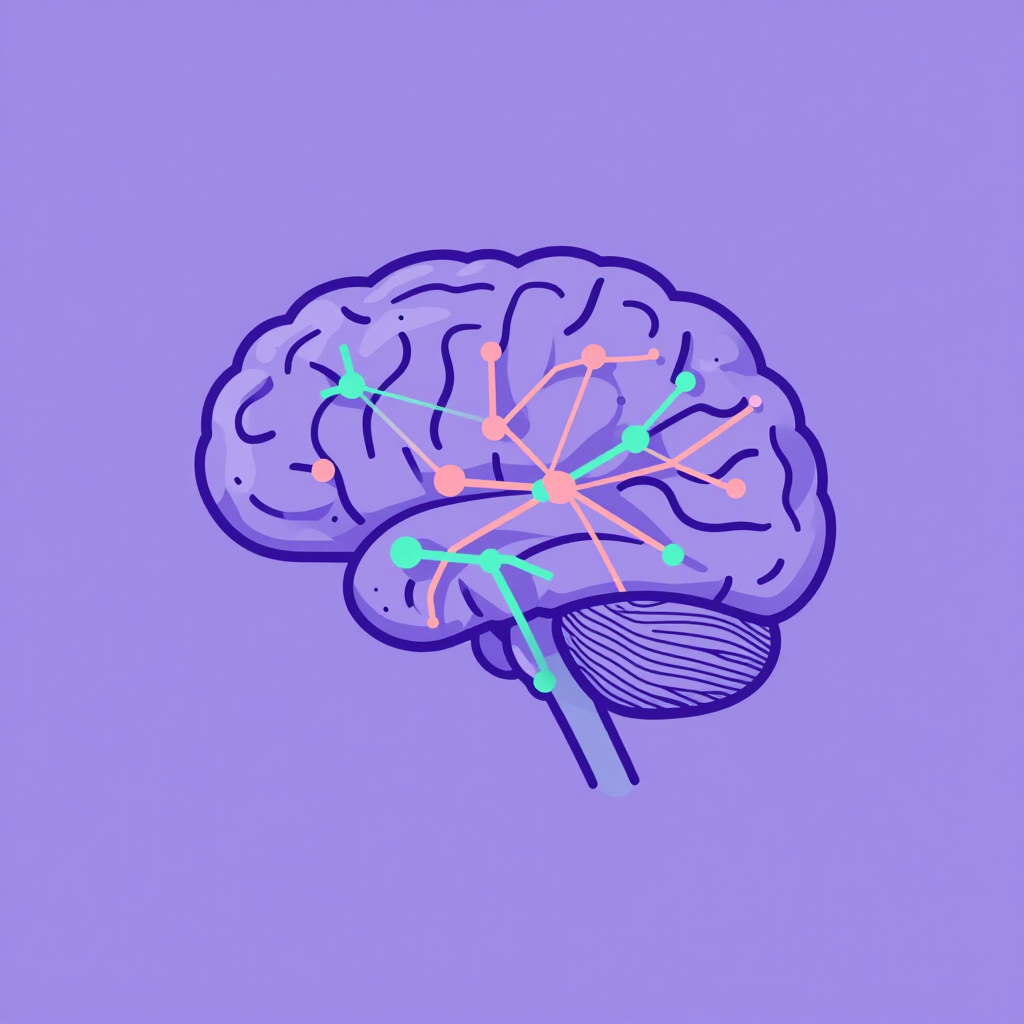
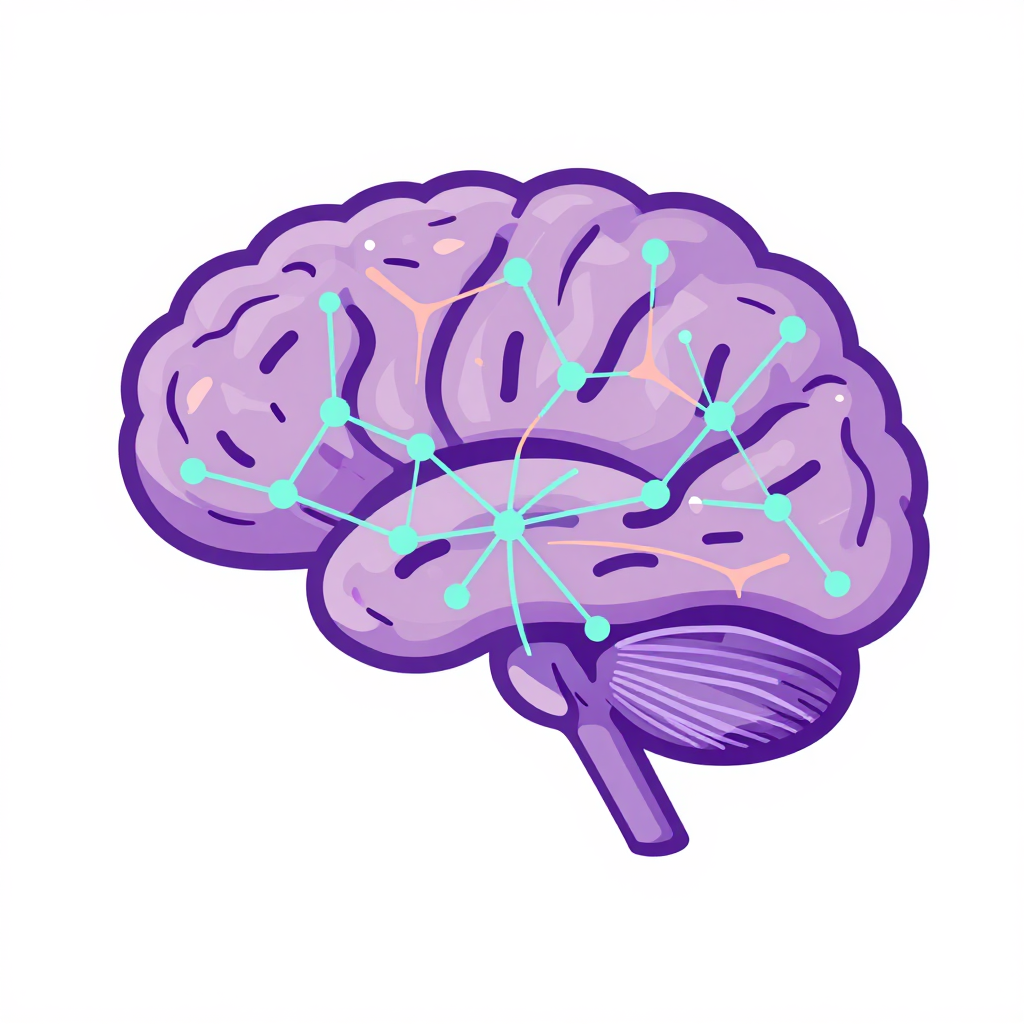
Forget about vague connections. This circuit is precise—built like a relay station with three distinct stops, each wired to the next like train tracks into your hypothalamus. Start in the prefrontal cortex, where dopamine hits like a starting gun after you bite into something rewarding. That surge activates a specific subset of neurons expressing the dopamine D1 receptor (D1R). Simple enough: reward → excitation. But here’s where it gets interesting: excitatory neurons firing toward a stress center usually makes stress worse. That’s basic circuit logic. So how does palatable food do the opposite?
The answer lies in a hidden relay station: neurons expressing corticotropin-releasing factor receptor 1 (CRFR1) located just outside the paraventricular nucleus (PVN), tucked into the peri-PVN region. These peri-PVN neurons don’t just pass the signal along—they flip it. When D1R-expressing prefrontal neurons fire into them, the peri-PVN neurons release GABA—a classic inhibitory neurotransmitter—right onto the PVN’s CRF neurons. In other words: reward → excitatory prefrontal burst → inhibitory peri-PVN relay → stress shutdown.
It’s a top-down circuit, yes—but more like a master switch than a throttle. The PVN is ground zero for stress activation: those corticotropin-releasing factor neurons go into overdrive when you’re chronically stressed, keeping your body locked in fight-or-flight. The SIAT team proved this with real-time neural recordings in mice—chronic stress correlated tightly with PVN hyperactivity, and those same mice showed unmistakable anxiety-like postures: hunched, immobile, avoids open space.
Then comes the snack. Within seconds of palatable food intake, dopamine floods the prefrontal cortex, flips on D1R neurons, and the relay fires. In vivo recordings show PVN hyperactivity reverse before digestion even begins—this isn’t hormonal smoothing; it’s electrical braking. The behavioral shift is immediate: the same mice, moments before frozen with stress, begin exploring again, grooming, sniffing—the classic signs of relaxed assessment.
This circuit doesn’t just dampen noise; it reboots the stress circuit itself. And that’s why comfort eating works, neurologically, long before it matters metabolically.
What’s striking is the elegance of the design: excitatory going in, inhibitory coming out. A built-in failsafe ensuring reward signals can’t accidentally overexcite the stress axis. The brain isn’t just linking pleasure and pain; it’s installing a buffer—a GABAergic turnout that switches the train from “fire” to “off-ramp.”
How a Cookie Becomes a Calming Signal
Let’s walk through the timeline, neuron by neuron, as it happened in those mouse experiments:
-
Stress priming — The mice were subjected to prolonged, unpredictable stressors: crowding, restraint, social instability. Within days, their PVN neurons fired continuously—hyperactive, twitching with electrical chatter—and the animals locked into anxiety behaviors: suppressed exploration, reduced grooming, heightened vigilance.
-
Reward detection — A small pellet of high-fat, high-sugar chow was introduced. This wasn’t just food; it was a prediction error: something good amid the chaos. Instantly, dopamine neurons in the prefrontal cortex fired a sharp surge—measured via fiber photometry—and localized to D1R-expressing neurons, not D2.
-
Relay engagement — The prefrontal burst didn’t go straight to the PVN. Instead, it targeted CRFR1 neurons in the peri-PVN region, which showed a delayed but robust calcium spike—proof they’re the intermediate link. When scientists selectively silenced these peri-PVN neurons, the calming effect vanished: dopamine surged, but stress neurons kept firing.
-
Stress suppression — Only when the peri-PVN relay fired did PVN CRF neurons slow and regularize their firing rate. The high-frequency “panic rhythm” gave way to baseline activity, and within minutes, the mice’s posture softened. They began exploring again.
The 3D behavioral mapping was the clincher: it tracked every micro-movement with millimeter precision. Under stress, mice moved in tight, anxious arcs—little circles near walls, freezing bursts. After palatable food, their trajectories opened up: longer paths, rearing, head checks—the full behavioral repertory of safety.
This wasn’t correlation. It was causation, mapped in real time: food → dopamine → D1R PFC neurons → CRFR1 peri-PVN relay → GABA onto PVN CRF cells → stress offline.
That last step is critical. Many assumed reward reduced anxiety indirectly—by flooding the brain with endorphins, or by distracting the mind. Not here. The effect was direct, electrical, and circuit-dependent. Disable any node in the chain, and the brake fails.
The timing matters too: changes happened within minutes, long before any blood sugar or ghrelin shift. This is neural regulation, not metabolic compensation.
One finding that surprised even the researchers: the effect was specific to palatable food. Standard chow—nutritionally identical but taste-neutral—did nothing. That tells you the circuit isn’t about nourishment; it’s tuned to reward prediction. Your brain doesn’t wait for calories to kick in. It starts calming you the moment it detects something good is coming.
It’s like your brain runs a real-time internal audit: “Something better just landed. Let’s put the emergency on hold.”
Why This Makes Comfort Eating a Survival Reflex, Not a Failure
Let’s clear the air: this research obliterates the idea that comfort eating is weakness.
If your PVN neurons are screaming—glutamate-firing, adrenaline-ready—and you reach for the biscuit, that’s not a moral failing. That’s your brain executing its own rescue protocol. A well-optimized circuit, millions of years old, kicking in before you even register the craving.
The study explicitly reframes this: “To cope with stress, individuals frequently engage in hedonic behaviors…which provide transient relief from psychological distress.” That “transient” is doing heavy lifting—it’s not denial of consequences; it’s an acknowledgment that in acute crisis, relief matters more than risk assessment. Evolution cares if you survive the lion; it doesn’t much care about your blood sugar an hour later.
Which brings us to the clinical pivot: if this circuit is real, and it’s physical, then we can target it. Pharmacologically. Precisely.
Imagine a drug that selectively activates D1R neurons without triggering hunger pathways. Or one that targets CRFR1 on those peri-PVN GABAergic neurons, boosting the inhibitory signal without needing a sugary hit at all. The payoff? Real-time anxiety relief—no sedation, no metabolic penalty.
The SIAT team hint at this potential: “Instead of relying on calorie-dense palatable foods to calm a hyperactive hypothalamus, future treatments could target D1R receptors in the prefrontal cortex or manipulate the CRFR1 relay…to quiet chronic anxiety without metabolic consequences.”
That’s the promise: decoupling relief from reward. You could treat PTSD without turning patients into chip monsters. Help people with binge cycles break free—not by willpower, but by fixing the broken brake.
This also reframes eating disorders through a neurobiological lens. When this circuit misfires—say, CRFR1 neurons are under-responsive—the stress relief loop breaks. You eat not to calm, but to fight a dead brake. The behavior persists, but the mechanism is broken. That’s not moral failure; it’s circuit failure.
Even in healthy brains, chronic stress can blunt D1R sensitivity or prune peri-PVN connections. The circuit isn’t broken—but it’s rusty. That’s why stress eating feels less effective over time: the brake pads are thin.
Which means this circuit isn’t just about comfort food. It’s about resilience architecture. A resilient nervous system doesn’t avoid stress; it recovers fast, and this pathway is part of that recovery toolkit.
The authors also note that chronic stress might “downregulate” CRFR1 expression over time. That would explain why long-term stressed individuals report comfort foods losing their edge—they’re not eating less; they’re eating more to overcome a blunted brake signal.
If that’s true, then early intervention on this circuit—before chronic changes set in—could prevent anxiety disorders from hardwiring altogether. Think of it like circuit maintenance, not emergency repair.
Bottom line: this isn’t just about snacks or stress. It’s about how emotion regulation lives in physical wiring—and when that wiring breaks, the fix isn’t discipline. It’s engineering.
What This Means for Anxiety—and the Future of Calm
Chronic anxiety isn’t just “thinking too much.” It’s neurons stuck in the fire position, not hitting the brake. This circuit gives us a blueprint for how to flip that switch—not with talk, but with targeted biology.
The key insight is structural: the inhibitory relay must exist because excitatory neurons can’t inhibit. The peri-PVN CRFR1 population is the missing link, and it’s enriched in GABAergic cells, making them natural inhibitory middlemen. That physical detail—GABA release onto PVN CRF neurons—is where the real therapeutic leverage lives.
Think of it like this: current SSRIs and benzos dampen the whole circuit—like turning down a dial. What this circuit points to is a specific switch: “Turn off the PVN stress burst.” You want less side effect? Then target the relay, not the main station.
The SIAT team’s methodology also offers a template: combine high-resolution 3D behavioral tracking (capturing subtle shifts in posture and exploration) with real-time in vivo neural recordings. That combo lets you link behavior to circuit activity minute-by-minute, showing not just that the circuit matters—but how it changes when things go wrong.
One open question they raise—and the paper doesn’t answer but hints at—is whether this circuit can be activated without food. If you bypass the taste, and stimulate D1R neurons electrically or optogenetically—does the brake still engage? Early rodent experiments suggest yes. If that holds in primates, we’re looking at non-invasive neuromodulation as an anxiety treatment: think wearable neurodevices that tune peri-PVN activity without implants.
Another implication: this circuit explains individual differences in stress resilience. Some people’s D1R neurons fire faster, their peri-PVN relay is more sensitive, their PVN quietens quicker. That’s not luck—it’s circuit architecture. And if we can map those variations, we might finally move from one-size-fits-all anxiety meds to circuit-tailored interventions.
The authors also note that chronic stress might “downregulate” CRFR1 expression over time. That would explain why long-term stressed individuals report comfort foods losing their edge—they’re not eating less; they’re eating more to overcome a blunted brake signal.
If that’s true, then early intervention on this circuit—before chronic changes set in—could prevent anxiety disorders from hardwiring altogether. Think of it like circuit maintenance, not emergency repair.
Bottom line: this isn’t just about snacks or stress. It’s about how emotion regulation lives in physical wiring—and when that wiring breaks, the fix isn’t discipline. It’s engineering.
The snack in your pocket? It’s not a coping mechanism. It’s a legacy tool, handed down from mammals who survived because their brains knew how to shut off the alarm when something good arrived.
Now we know exactly how it works. And that changes everything.