
Biology & Natural History
Articles on animal behavior, evolution, biodiversity, and popular science narratives grounded in natural history.

The Silent Epidemic of Smell and Taste Loss: Why It Hits Harder Than You Think
New clinical data reveals that losing smell and taste isn't a minor nuisance — it's a chronic condition whose depression rates, safety risks, and quality-of-life damage rival diabetes, stroke, and Parkinson's disease.
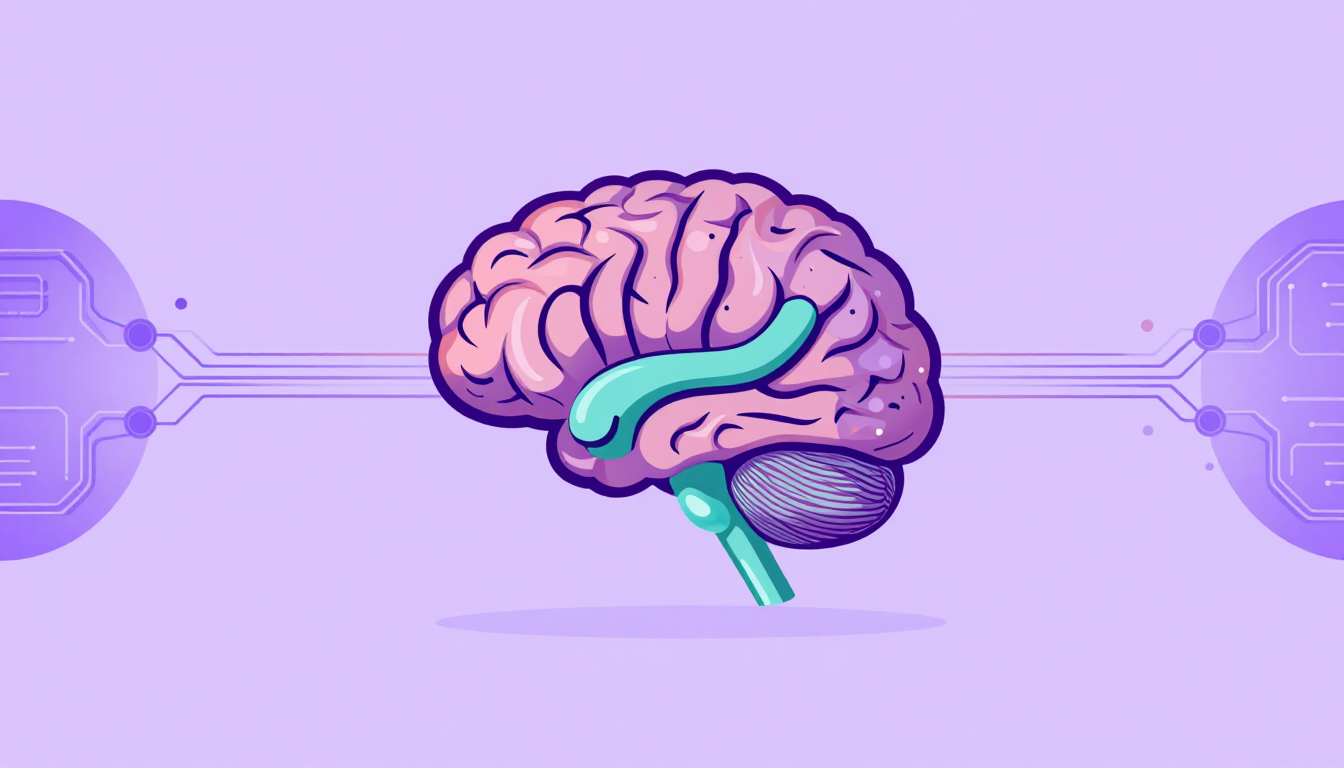
The Brain’s Secret Brake on Burnout: How a Snack Can Calm Your Nervous System
A newly mapped neural circuit reveals how a dopamine surge from palatable food triggers an unexpected inhibitory relay that physically shuts down hyperactive stress neurons — and why this isn’t comfort eating, but survival wiring.
Great Ape Minds Operate on a Different Blueprint Than Human Intelligence
A 2026 longitudinal study of 48 great apes reveals that individual cognition is highly stable and unique, with social abilities developing independently rather than in cohesive clusters as seen in humans.
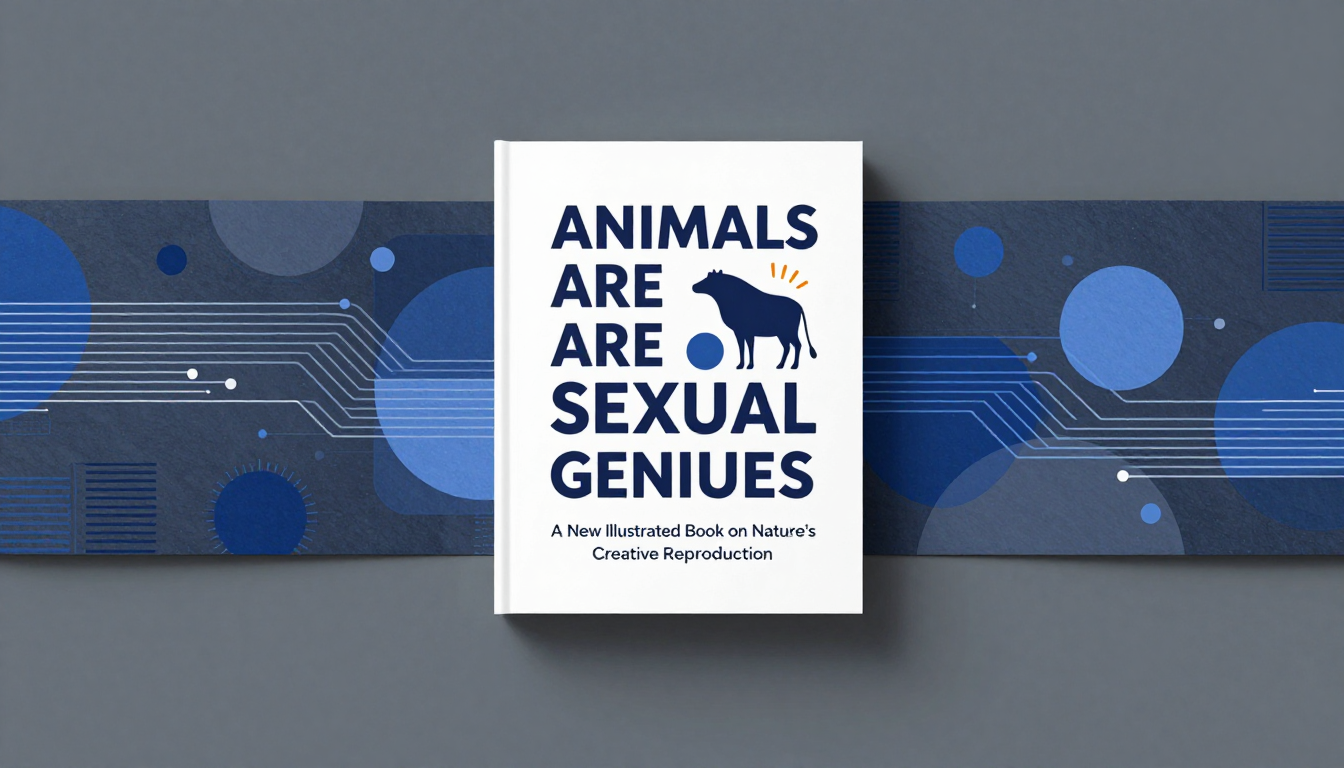
Animals Are Sexual Geniuses: A New Illustrated Book on Nature's Creative Reproduction
A beautifully illustrated new book by artist and environmentalist Perrin Roosevelt Ireland explores the astonishing diversity of animal sexual behavior—from climate-driven mating changes to same-sex pairing and consent—revealing that sexual diversity is biodiversity.
Unlocking Sex-Specific Vulnerabilities: GABA Pathway Fuels Glioblastoma in Females
A new study reveals that the neurotransmitter GABA selectively reprograms immune cells to fuel glioblastoma growth specifically in females, showing a critical sex-specific mechanism that could lead to targeted therapies.
Unveiling Karyoptosis: A New Pathway to Nuclear Decay in Neurodegenerative Disease
Scientists have uncovered karyoptosis, a novel cellular suicide pathway driving rapid nuclear disintegration in Alzheimer's and frontotemporal dementia. This discovery, centered on the p38-LaminB1 protein interaction, opens up new therapeutic angles for neuroprotection in dementia.
Great Apes Don’t Think Like Us — And That’s the Point
How does ape cognition differ from human intelligence? New research challenges the 'distorted mirror' model, showing that great apes have unique mental architectures. Learn why comparing apes to humans requires looking at the questions *they* are built to answer, not just our own metrics.
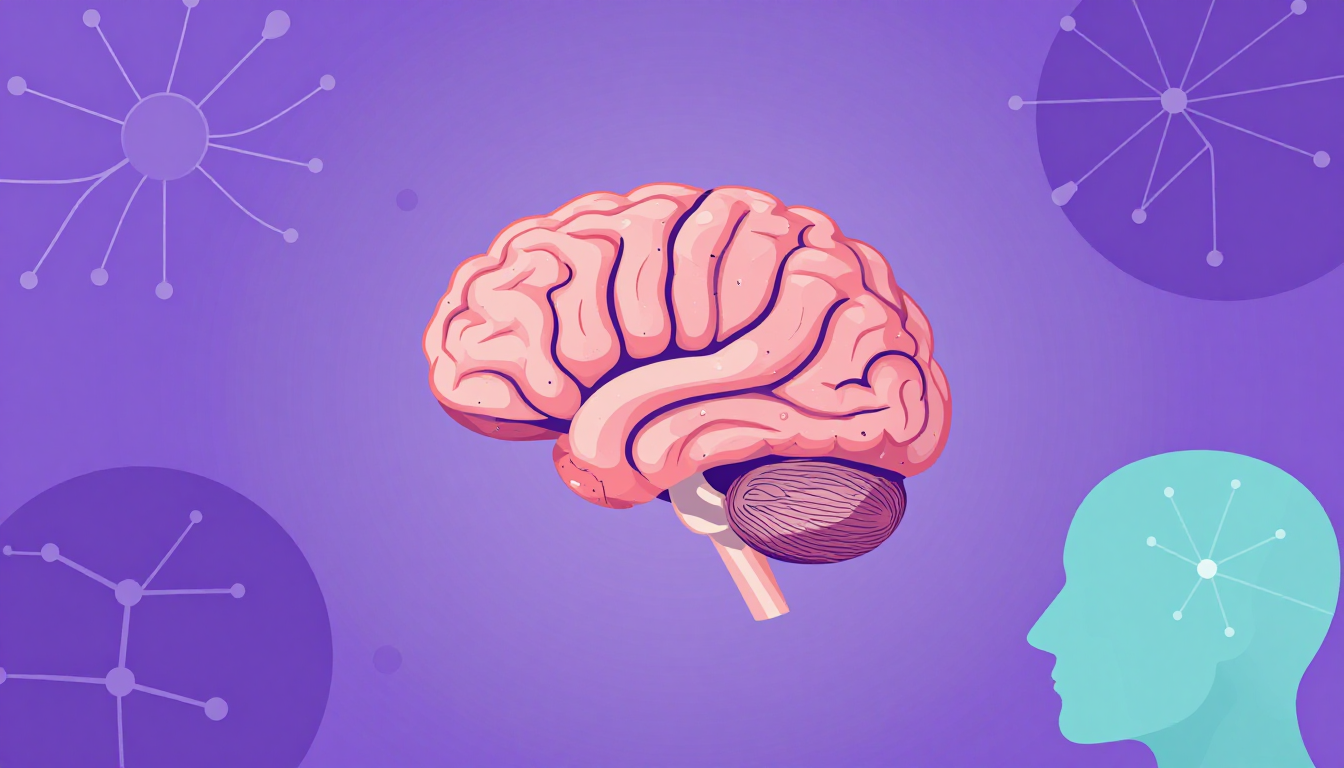
Unlocking the Brain: Sleep Deprivation Merely Blocks Memory Retrieval
New research demonstrates that sleep deprivation blocks memory retrieval rather than destroying the memory itself. Discover how optogenetics and roflumilast restore these neural connections, with deep dives into hippocampal functioning and the broader implications for social cognition and clinical diagnostics.
The Collaborative Apes: How Evolutionary Biology Explains Evolved Altruism and Community Trust
An exploration of positive evolutionary psychology, revealing how the same adaptive mechanisms that explain human conflict also drive our deepest capacities for cooperation, trust, and egalitarian community building.
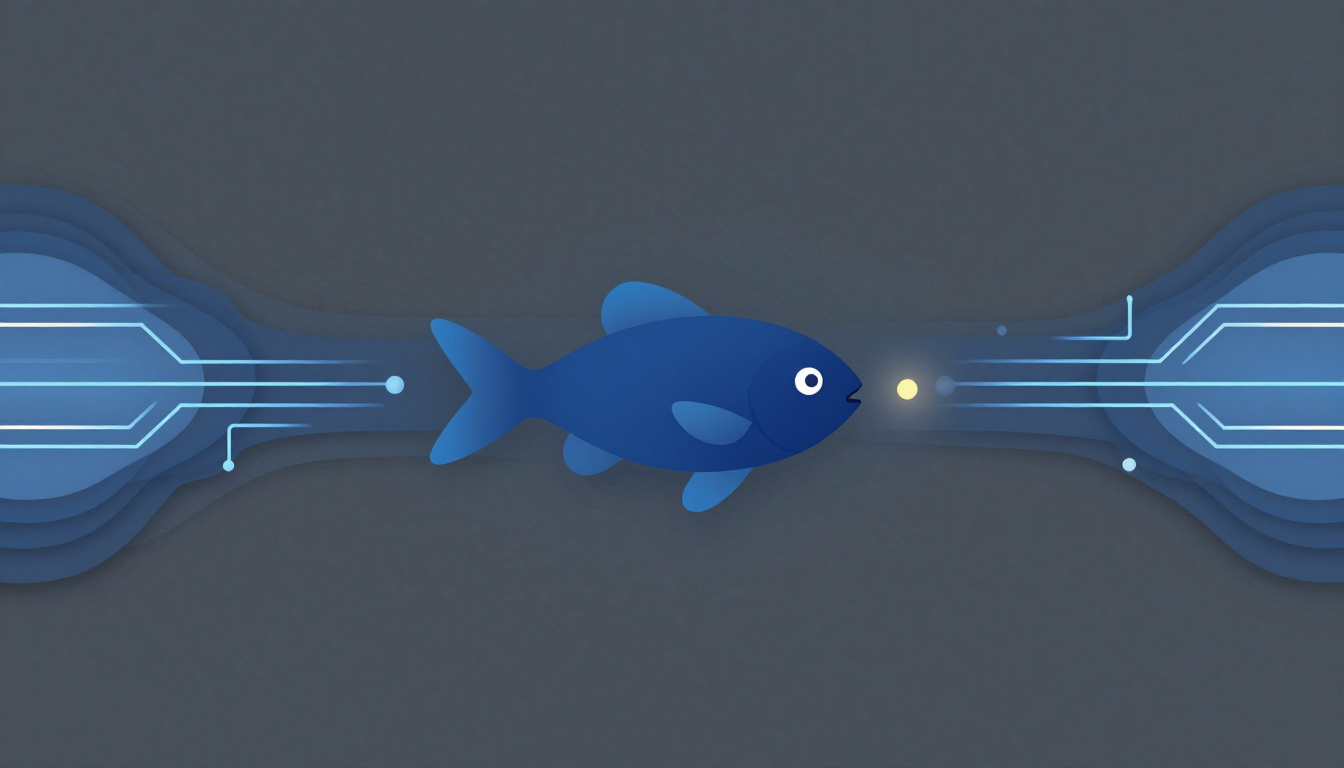
Neurochemical U-Turn: How Blind Cavefish Rewired Dopamine to Invert Light Responses
Discover how blind Mexican cavefish evolved to flip behavioral responses to light via dopamine rewiring. Learn more about this groundbreaking study on evolutionary neural adaptation and its implications for understanding human dopamine-regulated neurological disorders.

Unseen Senses, Deep Deprivations: How Chemosensory Loss Alters Mental Health and Everyday Survival
A deep look at the profound emotional, social, and physical toll of olfactory and gustatory disorders, highlighting research that equates their quality-of-life impact to severe chronic illnesses like diabetes and heart failure.
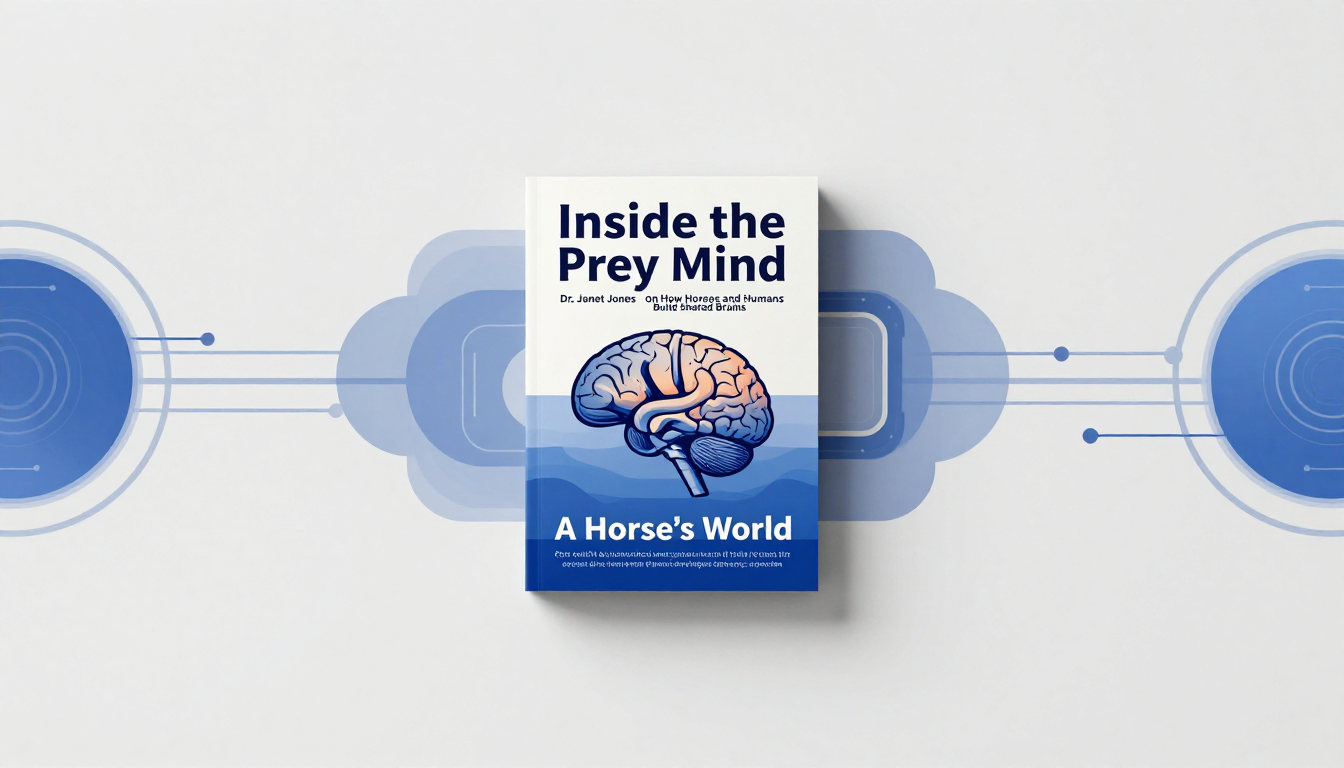
Inside the Prey Mind: Dr. Janet Jones on How Horses and Humans Build Shared Brains
A deep dive into Dr. Janet Jones’s new book “A Horse’s World” and the neuroscience of horse cognition—how prey brains, emotional honesty, and imperceptible signals forge real-time neural bridges between species.