
Psychology & Behaviour
Cognition, decision-making, motivation and human behaviour.
Beyond the Law of Laziness: Why Humans Don't Actually Hate Effort
A new synthesis challenges the longstanding biological dogma that humans are inherently effort-averse, proposing instead that we only avoid 'wasted energy' and find meaningful effort deeply satisfying.
Why Your VR Headset Makes You Sick—And How a New Platform Is Finally Solving It
A remote research platform called VERA is scaling up cybersickness studies to uncover why some people get nauseated in VR—and how to fix it for everyone.
Beyond Static Snapshots: How We Maintain Current Relationships
An exploration of the cognitive mechanisms of memory updating required to accurately track our friendships and social environments in a changing world.
You're Not Tired From Doing Too Much. You're Tired From Supervising a Machine That Was Supposed to Do It for You.
The mental exhaustion plaguing modern knowledge workers isn't from using AI — it's from the cognitive overhead of constantly monitoring, correcting, and context-switching around AI systems. Research confirms that AI oversight loads produce 14% more mental effort, 12% more fatigue, and 19% more information overload than actual AI delegation.
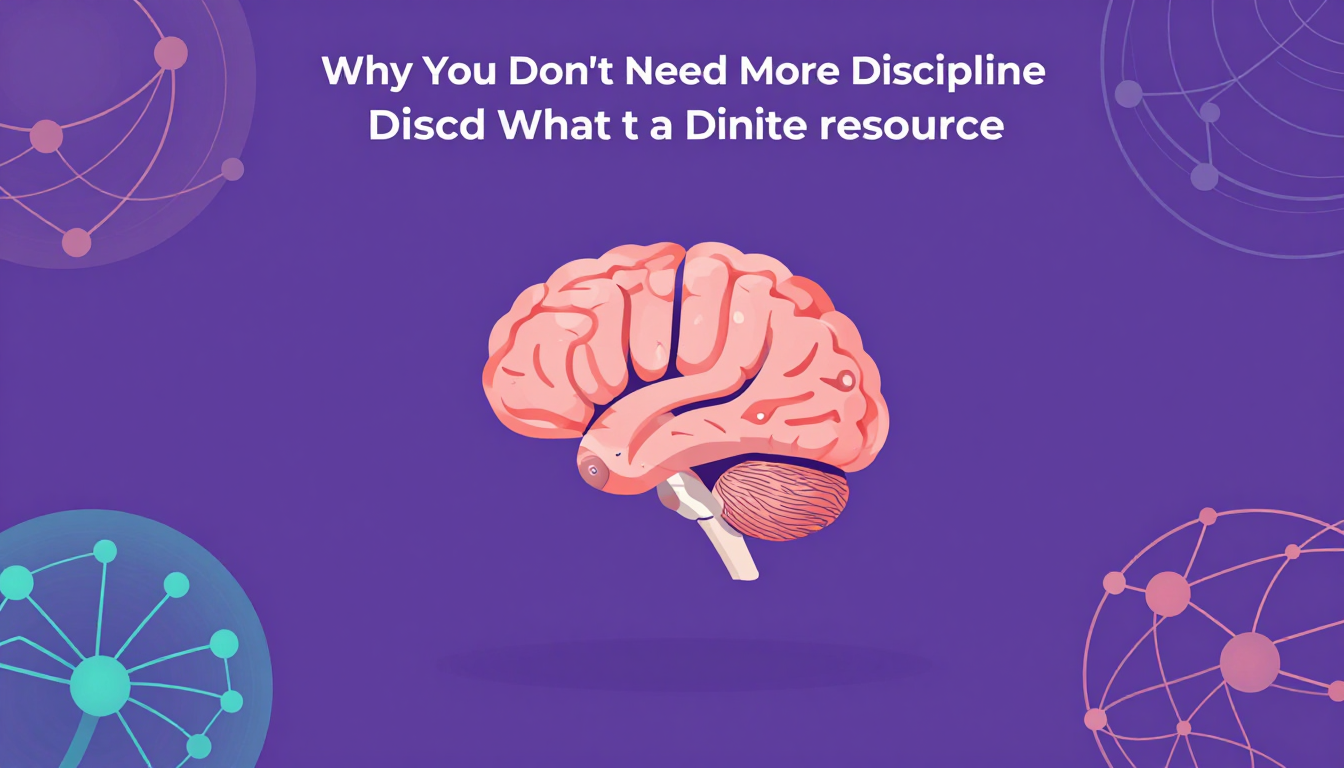
Why You Don't Need More Discipline (And What to Do Instead)
Discipline is a finite resource. Research shows two underappreciated habits—future self-continuity and stress reappraisal—can make productivity feel effortless by working with your brain instead of against it.

Creativity Isn’t a Fountain of Youth—But It’s the Best Thing You’ll Do for Your Aging Mind
Discover how regular creative practice builds cognitive resilience, reduces stress, and deepens meaning in later life—not by extending years, but by enriching them.
Learning Is Not All About the Other: Why Self-Motivation Is the Core of Human Learning
A psychological exploration of how learning is fundamentally driven by the learner’s intrinsic motivation, not the teacher’s inspiration — integrating insights from cognitive science and Responsibility Theory.
Memory Palace Mechanics: Transforming Ordinary Spaces into Recall Engines
Discover an effective, low-effort alternative to mentally constructing complex stories for memory recall. Learn how the Method of Loci leverages familiar environments and vivid associations to bypass cognitive bottlenecks, reinforcing memory without the need for constant, new frameworks.

South Korea’s $900B Gamble: Can It Outbuild the World’s AI Memory Demand?
Samsung and SK Hynix are betting $518B on new memory fabs as South Korea races to become the world's irreplaceable AI chip hub — but timing, not just cash, will decide if this gamble pays off.
The Smarter You Are, the Worse You Probably Are at Listening
Neuroscience and behavioral research reveal why high intelligence and professional success often correlate with diminished listening skills — and how this cognitive bias undermines relationships and leadership.
The Patience Paradox: Why 77 Countries Can't Agree on What "Later" Means
A University of Bonn-led consortium is surveying 15,000 people across 77 nations to map how cultural and economic environments shape the way humans weigh immediate rewards against future gains — and why there's no single "right" answer.

Why Dogs Send Pee-Mail: The Science of Canine Scent-Marking Behavior
Research shows dogs pee for a variety of reasons beyond simple bladder emptying — from scent-marking territory to social signaling. This article explores the science behind canine peeing patterns, including dry-marking, over-marking, and the "pissing match" phenomenon.