
Psychology & Behaviour
Cognition, decision-making, motivation and human behaviour.
Why a New Remote Access Trojan Highlights the Need for Application Behavior Monitoring
Explains how the Sectoprat remote access Trojan demonstrates the importance of monitoring application behavior rather than blindly trusting software, offering best practices for organizations.
Large International Replication Study Challenges Innate Morality in Infants
A large international replication study challenges the belief that morality is innate in infants. Testing over 1,000 children aged 5.5 to 10.5 months, researchers found no consistent preference for characters exhibiting prosocial behavior, suggesting infants under ten months cannot distinguish between morally good and bad actions.
Simulated Subjects: How LLMs Are reshaping Social Science Research
Expanded article on LLM-driven social science research, incorporating additional sections and depth while preserving factual grounding and sources.
How Our Minds Rewrite Choices After They Happen
Yale study shows conscious choice can be constructed after action, with subconscious perception shaping remembered decisions.
Surgeon General Sounds Alarm on Social Media and Teen Mental Health
The U.S. Surgeon General issued an urgent advisory on the potential dangers of social media on the mental health of young people, highlighting widespread usage, documented harms, and recommending actions for stakeholders.
Behavioral Noise as Window into Cognitive Processes
New studies challenge the idea that variability in human behavior, often seen as "noise," is simply an error to be minimized. Researchers argue that noise provides valuable insights into cognitive processes, from decision-making to moral reasoning.
Why Excessive Optimism Costs You Money
University of Bath research links excessive optimism with lower cognitive skills and poorer financial outcomes, showing realism improves decision-making under uncertainty.

How Your Generosity or Selfishness Colors How You See Others
A recent study finds that an individual's own behavior, rather than societal norms, plays a pivotal role in how they perceive and respond to others in competitive situations. Generous people tend to reward generosity, while selfish individuals tend to punish it, even at personal cost, challenging the view that social norms are the primary influence.
LIP Prefers Interpreting Images Over Planning Eye Movements
University of Chicago study shows PPC, especially LIP, causally drives visual decisions by evaluating stimuli rather than planning eye movements. Reversible inactivation impairs sensory judgments while sparing motor execution.
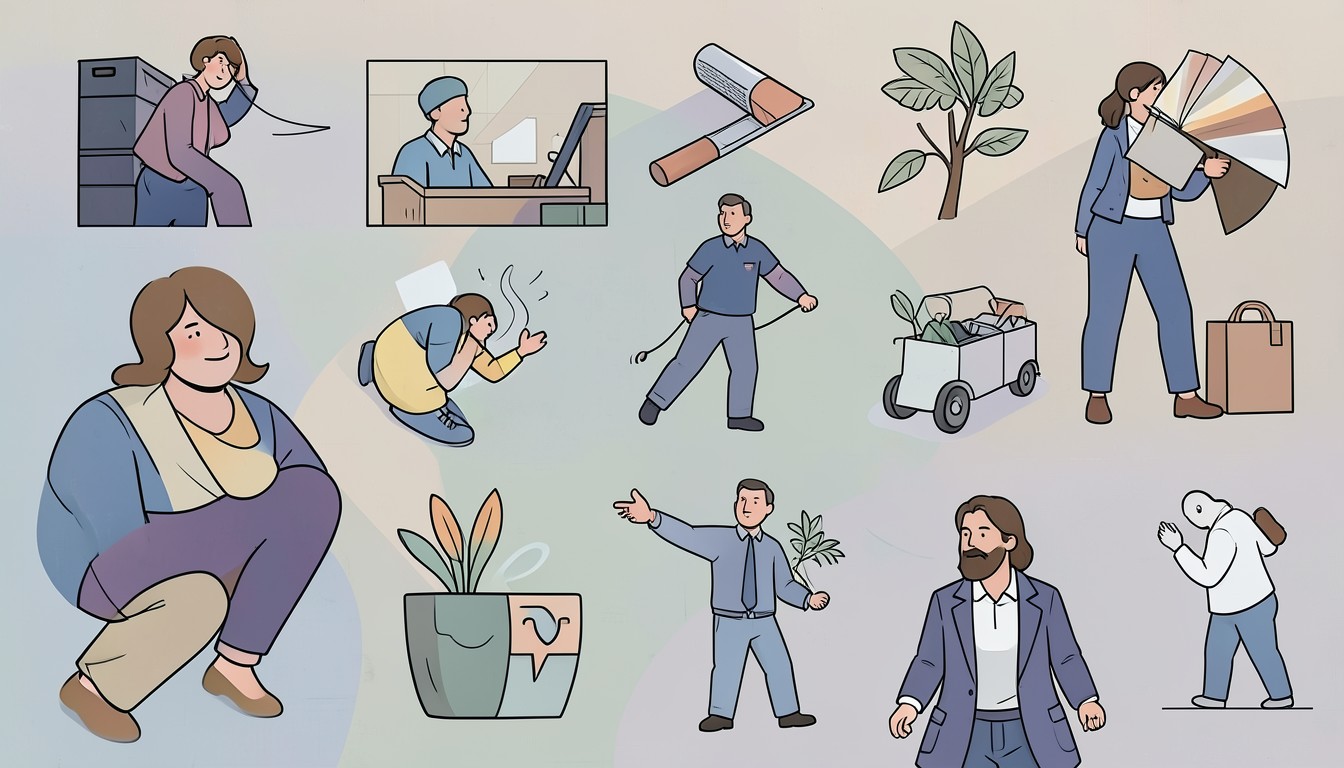
Effective Behavior Change Interventions Across Crises: Social Support, Access, and Skills Over Knowledge and Beliefs
Researchers identify effective behavior change interventions across different crises, such as pandemics and climate change, finding that common approaches focusing on knowledge or beliefs are often ineffective. Interventions enhancing social support, behavioral skills, and access to resources show more significant impacts.
Cognition Buys Poke for Personality Edge in AI Race
AI coding startup Cognition acquires conversational assistant Poke in a low nine-figure deal, betting that personality will outperform raw model capability in the next wave of AI tools.
Pickleball Teaches You to Wait for the Ball. The Brain That Meditates Learns to Wait for Life.
How pickleball reveals what AI can learn about human psychology — the neuroscience of waiting, stress responses, and why a trained brain matters more than reaction. Backed by EEG research from Sadhguru Center studies published in Mindfulness journal.