
Agentic AI Infrastructure
Articles on cloud, infrastructure, and compute patterns for agentic AI systems, including scale-out architectures, inference networks, and system-level constraints.
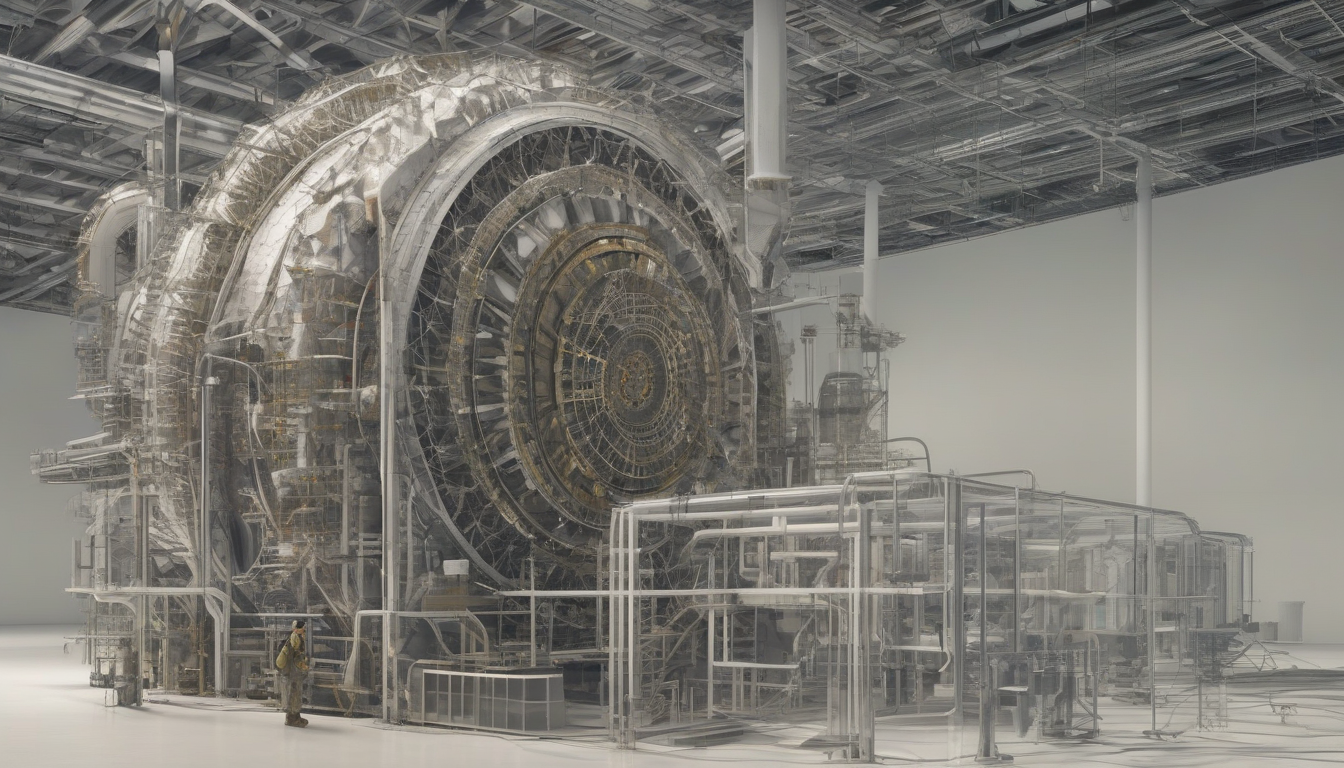
Fossil Turbines and Shadow Grids: The Unvarnished Cost of AI Compute
Hyperscalers are deploying off-grid gas turbines and delaying climate goals to meet AI compute demands, triggering severe local health concerns and state regulatory backlash.

Alphabet’s Frozen v2 Chip and the Shift for AI Cloud Infrastructure Companies in India
Alphabet is quietly working on 'Frozen v2,' a custom server chip designed to optimize Gemini's token efficiency. Here is how specialized hardware changes the economics of agentic AI and cloud computing services.
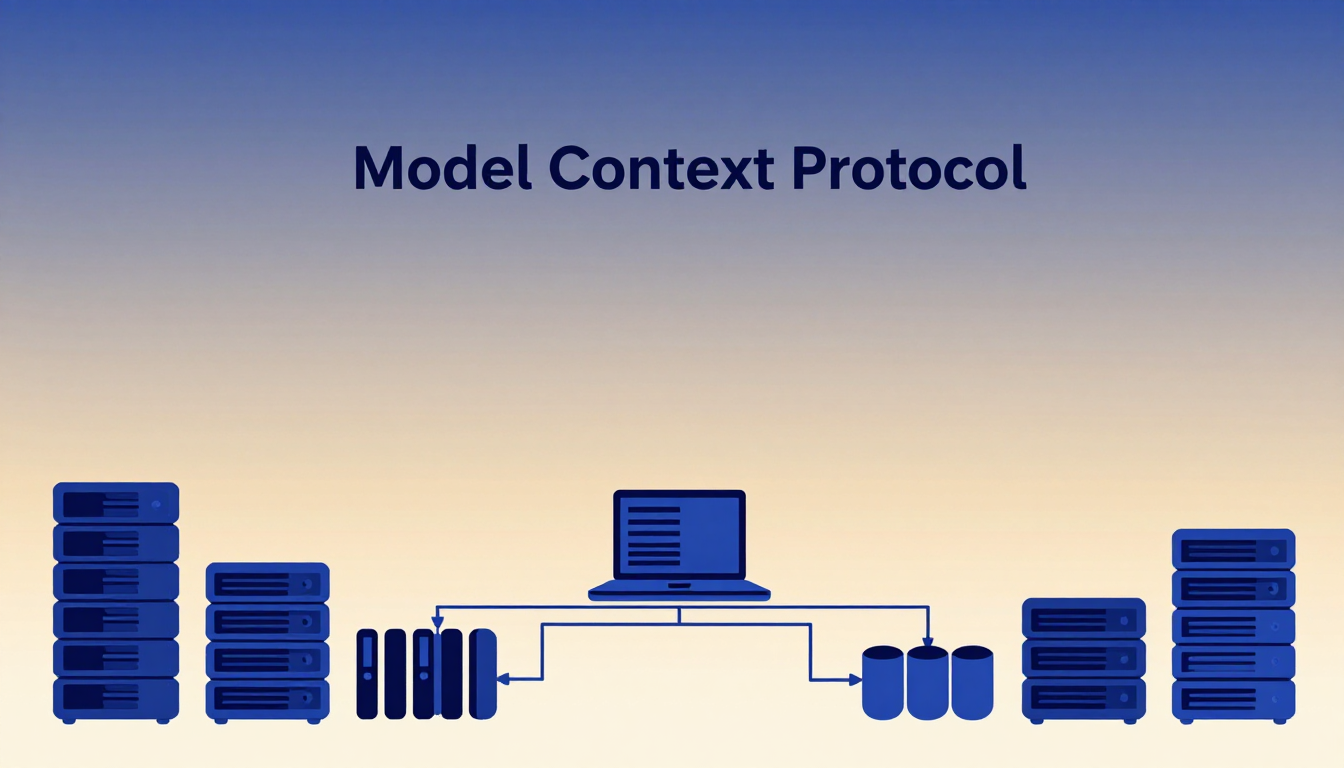
Architecting Stateless MCP: The Maintainers' Playbook for Enterprise Load Balancing and OAuth 2.1
Lead maintainers David Soria Parra and Den Delimarsky overhauled the Model Context Protocol to eliminate stateful session bottlenecks, introducing Streamable HTTP, per-request context headers, and mandatory OAuth 2.1 security.

Disaggregating Compute: How AMD and Cerebras Are Redefining Inference Efficiency
AMD partners with Cerebras Systems to create a disaggregated compute platform combining Instinct GPUs with wafer-scale SRAM accelerators for ultra-low-latency AI inference to tackle the memory bottleneck.

Moonshot's Kimi K3 Release Triggers Open Source AI Market & Regulatory Panic
Moonshot AI's Kimi K3 launch sparked Wall Street sell-offs and revived policy clashes over open-weight models, synthetic training distillation, and AI security.
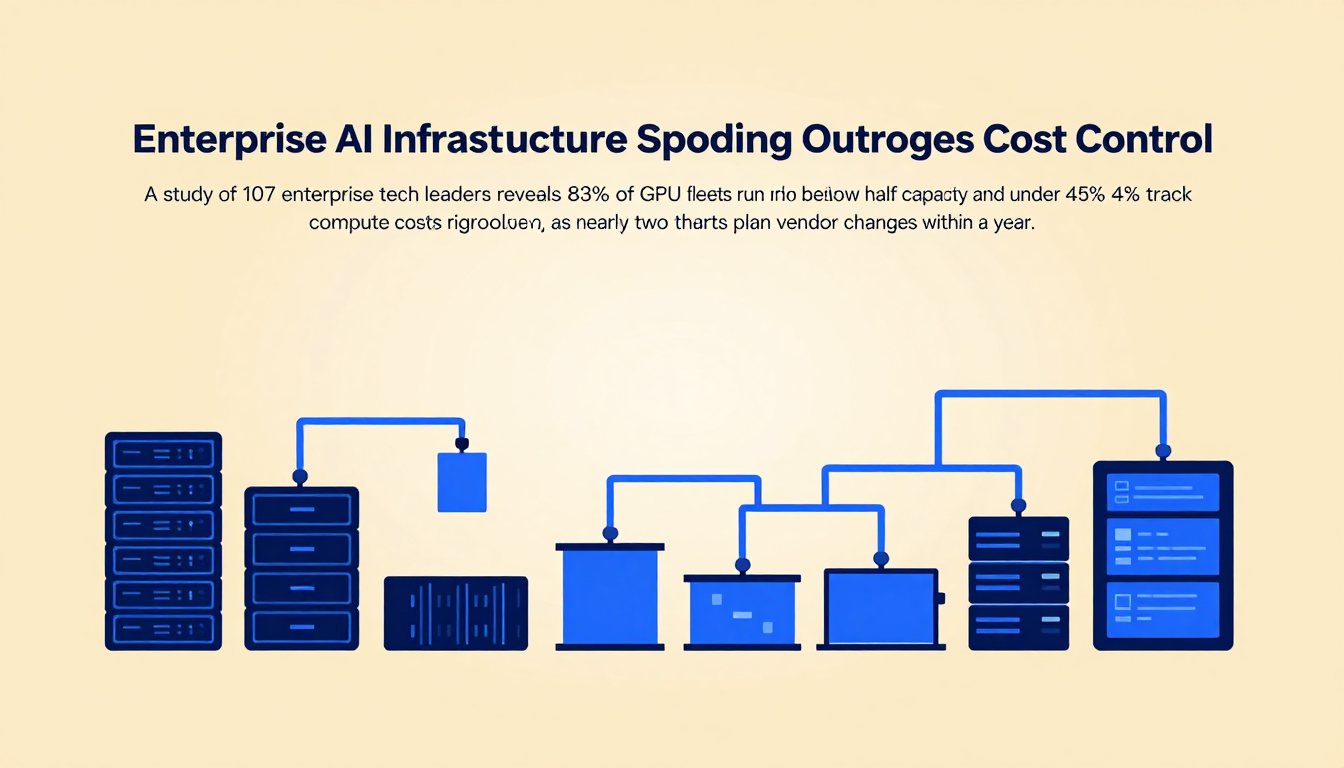
Unmeasured Speed: Enterprise AI Infrastructure Spending Outruns Cost Control
A study of 107 enterprise tech leaders reveals 83% of GPU fleets run below half capacity and under 45% track compute costs rigorously, even as nearly two-thirds plan vendor changes within a year.

Sizing Up Moonshot’s Kimi K3: China’s Massive Open Model Challenge to Frontier Labs
With 2 to 3 trillion parameters, Moonshot’s upcoming Kimi K3 aims to match Anthropic’s Opus 4.8, testing whether open-weight architectures can overtake closed enterprise platforms.

South Korea’s Path to Sovereign AI: A Government-Led Infrastructure Pivot
This article investigates South Korea's new government tender for a "universal basic AI chatbot" and an AI agent-based system for public services. The goal is to establish sovereign AI capabilities, ensuring access to locally-hosted, culturally relevant systems and reducing reliance on international providers, a move underscored by recent policy constraints on foreign models. The article details the required partnership between government resources (Nvidia GPUs) and private matching funds, and h

How Runway's Media Router Is Reshaping AI Cloud Infrastructure Companies in India and Beyond
Runway's Media Router automatically selects the best image, video, or audio generation model based on developer priorities for quality, speed, or cost—marking a strategic pivot from model provider to orchestration layer that's reshaping how AI cloud infrastructure companies in India and globally build generative media products.

Meta’s Silicon Pivot: Creating Custom MTIA Chips to Curb GPU Reliance
Meta is launching its latest generation of custom AI chips under the MTIA program in September, a strategic move to manage compute costs. Beyond the hardware, we examine what this means for agentic AI and embodied agent infrastructure.

Simplifying Enterprise AI Scaling: The Shift to Stateless MCP
A technical overview of the Model Context Protocol's transition to a stateless architecture, aimed at developers and enterprise IT, focusing on improved scalability for cloud-based AI deployments.

Reliability at a Crossroads: How AI Transforms and Tests the SRE Profession
New AI tools are giving SREs better ways to manage outages and problems, while at the same time AI-generated code increases the problems SREs must face. This article explores the dual impact of AI on the site reliability engineering profession.