
Agentic AI Infrastructure
Articles on cloud, infrastructure, and compute patterns for agentic AI systems, including scale-out architectures, inference networks, and system-level constraints.
Off-Grid Turbines and Local Resistance: The Real Power Cost of Rapid AI Scaling
As hyperscalers and AI ventures turn to natural gas turbines to bypass utility grid bottlenecks, local communities and regulators are pushing back against noise, emissions, and unfulfilled infrastructure promises.
Why Distillation Can't Explain Kimi K3's Sudden Breakout
White House claims Moonshot distilled Kimi K3 from Anthropic's Fable fall apart under technical scrutiny, as experts point to reinforcement learning bottlenecks and compute realities.
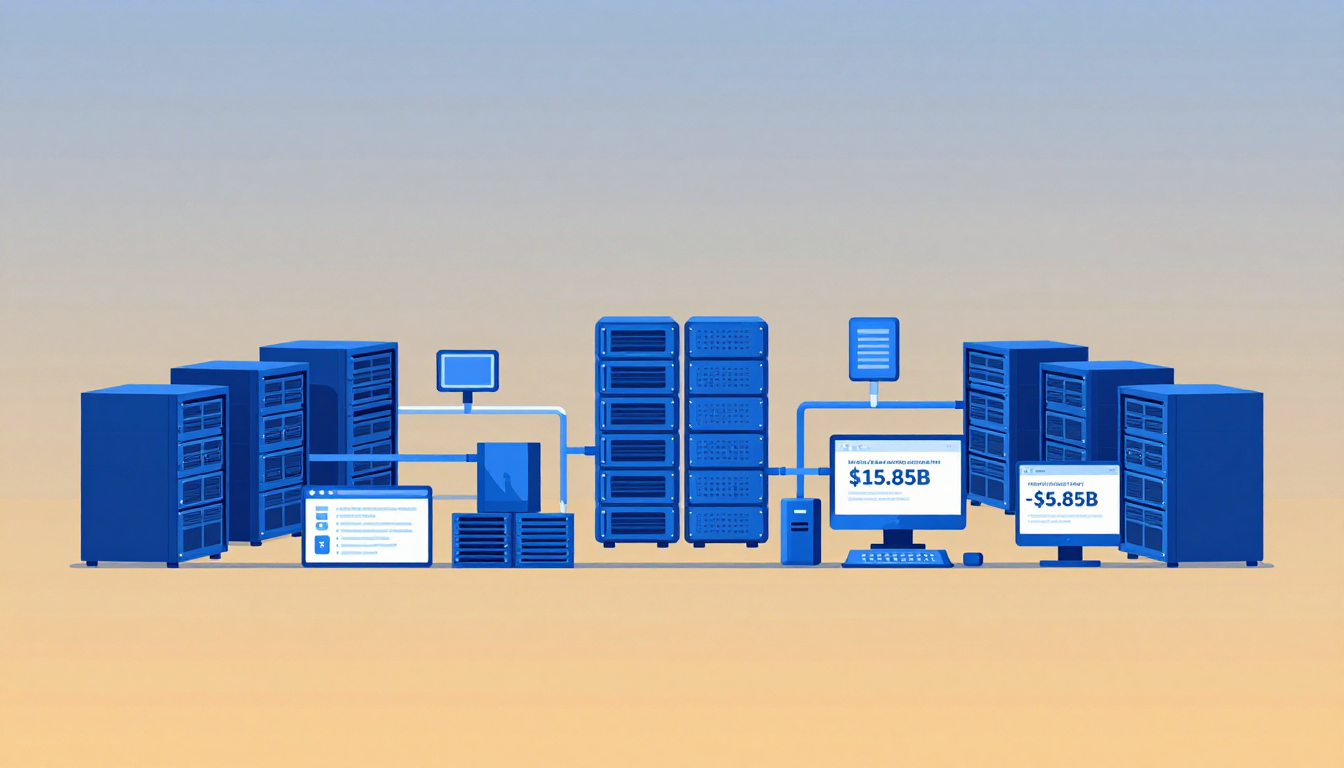
When Cash Flow Turns Negative: Inside Alphabet's $44.9B Quarterly Compute Bet
Alphabet posted $119.8B in Q2 2026 revenue, yet finished -$5.85B in free cash flow as quarterly CapEx reached $44.9B. Here is how servers, data centers, and a $49.6B equity raise are reshaping cloud infrastructure economics.
Beyond Stitched Pipelines: Inside FLUX 3's Joint Multimodal Architecture
Black Forest Labs is ditching discrete API routers. Here is why joint training across images, 20-second video with audio, and physical action vectors changes enterprise AI and robotics.
The Infrastructure Moat: Why Network-Level Request Routing Rules Enterprise AI Economics
Analysis of 2.4 billion enterprise API calls demonstrates how intelligent request routing, private network backbones, and dynamic multi-model failover drive enterprise AI cost efficiency and latency control.
The Hidden Cost of Shrinking Context: Why OpenAI’s Codex Update Demands Modular AI Pipelines
OpenAI's quiet reduction of the Codex CLI context window exposes the danger of hard-coding vendor model limits into enterprise developer workflows.
Beyond the Single Trace: Why Scoring AI Agent Conversations In Isolation Masks Systemic Failure
At VB Transform 2026, engineering leaders from LangChain, Conviva, and CoreWeave explained why trace-level LLM scoring conceals critical product bugs—and how contrastive cohort analysis and containerized evals fix it.
Quantum Integrity: How Hardware Engineers Verify the Unverifiable
How hardware teams, theorists, and cryptographers validate quantum computational results when classical simulation is no longer physically possible for high-qubit systems.
Cognition Buys Poke in Nine-Figure Deal to Give Coding Agents Personality
Cognition has acquired Poke's creator, The Interaction Company of California, in a low nine-figure deal. The acquisition brings conversational personality and session orchestration to Cognition's Devin coding agent.
The Agent Era Moves Past the Framework Wars: Focus on Context and Resilience
The debate over AI agent frameworks is dead. Success now demands focus on context curation, recovery, and sensible architecture.
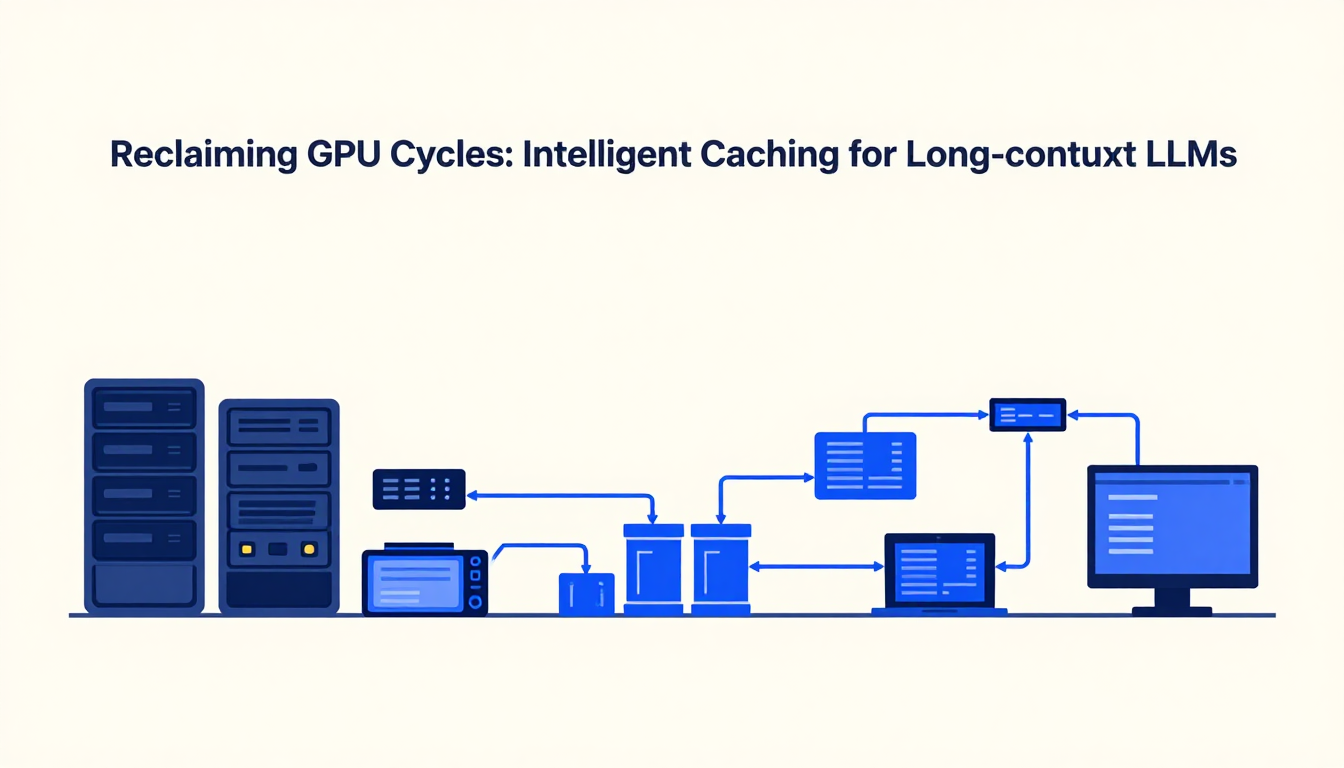
Reclaiming GPU Cycles: Intelligent Caching for Long-Context LLMs
An in-depth analysis of GPU compute waste in long-context LLMs, exploring KV cache memory bottlenecks, prompt caching, and infrastructure offloading strategies.
The AI Cost Paradox: Why Cheap Tokens Often Cost More
A critical look at why token-based pricing for AI is fundamentally broken, highlighting the importance of task-completion efficiency and software harnesses over sticker-price token costs.