
Mental Health
Psychological health, trauma research, and mental wellness.
Cannabis and Psychosis: Unpacking the Case for a Distinct Diagnostic Subtype
Recent clinical research suggests cannabis-associated psychosis is a distinct clinical entity rather than just a transient drug-induced event, challenging traditional diagnostic frameworks and calling for urgent, personalized treatment strategies.

Global Internet Use Shows Little Psychological Toll, Oxford Study Confirms
A large‑scale analysis of two million people across 168 countries finds minimal psychological impact from internet use, challenging the notion that heavy online activity harms mental health.
Neuroscience Mental Health Research Faces a Replication Reckoning — Here's What Survives
The replication crisis in psychology originated in 2010 and exposed publication bias, questionable research practices, and p-value overreliance. Landmark studies found fewer than half of tested findings could be reproduced. This article examines what failed, what held up, and how reform efforts affect the future of neuroscience mental health research and clinical practice.
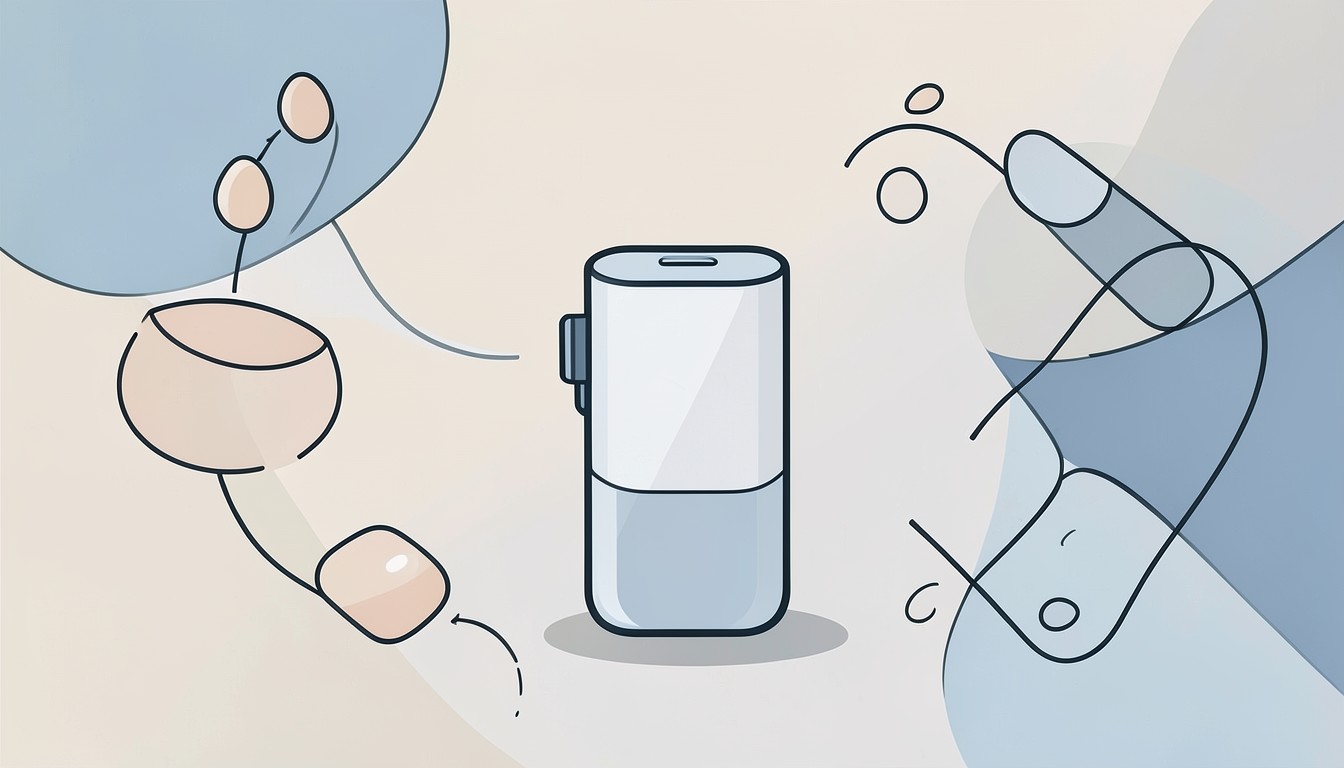
Portable lab-on-a-chip cortisol sensor from saliva
Expansion of the existing article on the portable lab‑on‑a‑chip cortisol sensor from saliva, incorporating detailed technical description, validation data, applications, limitations, and future directions. The article now exceeds 800 words and includes the required task ID .
Childhood Unpredictability Identified as Distinct Mental Health Risk Factor in Nearly 30,000 Children
A study of nearly 30,000 children across 19 pediatric clinics establishes childhood unpredictability as a distinct risk factor for youth mental health, separate from traditional Adverse Childhood Experiences (ACEs).
Metacognition Therapies Show Promise in Treating Anxiety, Depression and Addiction
Research findings on metacognition therapies and their effects on mental wellbeing, based on verified sources.

Cannabis Psychosis May Represent a Distinct Subtype: New Research Challenges Traditional Classification
Recent Yale research suggests cannabis-induced psychosis may be a distinct subtype rather than just drug-induced symptoms, with clinical, cognitive, and brain-based differences from non-cannabis-associated psychosis.
Commercialized Legal Cannabis Linked to Psychosis and Addiction While Decriminalization Keeps Use Stable
A global meta-analysis in The Lancet Psychiatry reveals that for-profit commercial cannabis legal structures, rather than decriminalization, drive rising product potency, addiction rates, and emergency hospital admissions for psychosis.
Beyond the Symptom Checklist: How Bipolar Disorder and the Great Imitator Evaded Psychiatric Detection
An analysis of the dangers of symptom-checklist psychiatric diagnostics, highlighting a case of neurosyphilis and bipolar disorder misdiagnosed as MDD and GAD.
Serotonin as a Cognitive Eraser: How One Dose Rewires the Brain’s Belief Updating in OCD
New research reveals serotonin doesn’t just improve mood—it directly slashes belief stickiness, the cognitive failure to update outdated mental models. This breakthrough reframes OCD treatment around a precise 2–4 hour window where a single SSRI dose primes the brain for therapy.
When Words Fail, Scent Speaks: A Leader's Path Back to Feeling
A coaching technique that bypasses the overwhelmed mind by asking a leader what numbness smells like — leveraging olfactory neuroscience to reach emotion before language arrives.
Serotonin Reduces Belief Stickiness in OCD: A State-Inference Breakdown, Not a Habit Loop
A new study redefines OCD treatment by showing serotonin directly alleviates ‘belief stickiness’, reframing OCD as a failure in state-inference rather than automatic behavior, enabling time-sensitive psychotherapy windows.