
Cybersecurity
Defensive security practice across the stack.
Critical Security Flaw Discovered in Official Gitea Docker Image
Hackers are actively exploiting a critical authentication bypass vulnerability (CVE-2026-20896) in Gitea's official Docker image, allowing unauthorized users to impersonate others, including administrators. Users are urged to upgrade to version 1.26.4 immediately or apply strict IP filtering for trusted proxies.
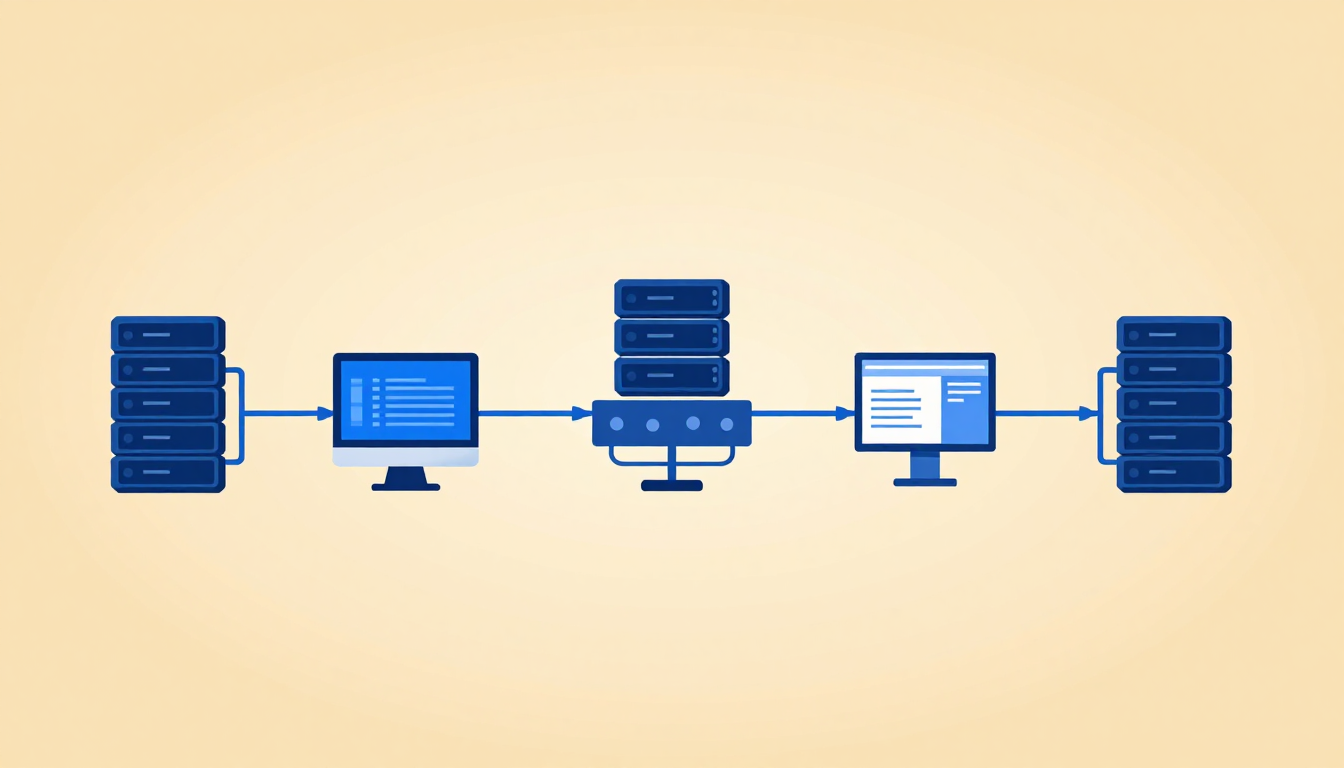
Shim: The Tiny Bootloader That Saved Linux Inside Microsoft's Secure Boot
The shim bootloader was invented as a cryptographic bridge to extend UEFI Secure Boot to Linux devices and utility software — solving the problem of unsigned kernels in a signed-boot world.

Flipping the Script: Artificial Intelligence AI Cybersecurity and the War on Scrapers
A look at how web administrators are using hidden, defensive prompt injections to disrupt unauthorized AI web crawlers and scrapers, turning a well-known LLM vulnerability into an active application-level defense.
Coordination on Russian Cyber Operations and Artificial Intelligence AI Cybersecurity Needs
The European Union and United Kingdom jointly sanctioned dozens of Russian individuals and entities — including GRU officers, Trickbot/Conti leaders, FSB cyber units, and hacktivists — in a coordinated package targeting Russia's state-sponsored cyber ecosystem that has struck critical infrastructure across Europe.

China's Reusable Rocket Recovery Changes the Space Security Equation
China's state-owned rocket developer has successfully recovered a reusable booster for the first time, deploying an unconventional approach that could reshape launch economics and space-domain posture.
When AI Agents Multiply Machine Identities, Security Teams Lose Track of What's Trustworthy
AI agents are exponentially increasing non-human identities in enterprise environments, creating an identity governance gap where machine accounts outnumber humans 50:1 and breach rates jump to 43% for organizations struggling with visibility.
API-Driven ClickFix and the Evolution of Artificial Intelligence Cybersecurity Threats
As ClickFix transitions to an API-driven, on-demand service, threat actors use freshly scrambled payloads and native Windows utilities to bypass traditional AV and EDR solutions, making memory and YARA analysis critical for defenders.

Beyond the Green Pipeline: Analyzing CI/CD Attack Chains That Evade Security Scans
Learn how GitHub Actions attack chains bypass scanners, how artificial intelligence ai cybersecurity threats exploit CI/CD, and how to build robust pipeline governance.
How the Injective SDK Poisoning Challenges Artificial Intelligence AI Cybersecurity
A supply-chain attack compromised the Injective Labs SDK on GitHub, leading to the distribution of a malicious npm package that steals cryptocurrency private keys and mnemonic seed phrases from developers.

Agent-Safe: Rethinking Website Security in the Age of WebMCP
Exposing tools to AI agents through WebMCP creates a new attack surface where your own user-generated content could compromise agents. Here is how developers must secure their tools.

Anthropic's Agent SDK Billing Pause: What Security Teams Need to Watch
Anthropic paused a planned billing change for its Claude Agent SDK that would have shifted automation-focused usage from subscription pools to token-based pricing, following significant pushback from developers and third-party tool makers who relied on generous subscription limits for heavy agent workflows.

Beyond the Ankara Summit: The Evolving Transatlantic Security Landscape
A look at how international gatherings, specifically the recent NATO summit in Turkey, highlight the growing complexities and divergencies between European nations and the United States on key security and foreign policy issues.