
Health & Medicine
Clinical research, disease, biotech and medical practice.

BINND AI Model Predicts DNA Binding Patterns for Scalable Computing
Researchers at NC State University developed BINND, a deep learning model that predicts hypercomplex DNA-DNA binding with 83.5% accuracy using a dataset of 144 million sequence pairs, solving a critical scaling bottleneck for DNA-based data storage and computing applications.

Food Noise Isn’t a Diagnosis—It’s the Sound of Our Environment
Why "food noise" suddenly entered our vocabulary with GLP-1 meds—and why the real issue is how food environments and diet culture make thinking about food both inevitable and exhausting.

Myelin Deterioration Turns Sleep Into a Minefield — Epileptiform Spikes and Slowed REM Oscillations
When myelin sheaths decay, neural networks short-circuit in the dark—sending epileptiform spikes riding sleep spindles and dragging REM oscillations to a crawl. A new FENS study reveals why poor sleep isn’t just a symptom of MS or Alzheimer’s, but a silent driver of decline—and how overnight EEG could become our earliest warning radar.

World Misophonia Awareness Day: Why July 9 Matters for the Sound-Sensitive Among Us
July 9 is World Misophonia Awareness Day—commemorating Michelle Del Valle and raising awareness of a neurological condition where everyday sounds like chewing trigger extreme distress, anger, or panic.

Eighty Minutes Short, One Pound Up: The Compound Cost of Mild Sleep Loss
A pooled analysis of two randomized crossover trials found that delaying bedtimes by 90 minutes (cutting sleep by ~80 minutes nightly for six weeks) caused an average one-pound weight gain, elevated insulin resistance, and a 17-minute daily rise in sedentary time among adults with normal sleep duration.
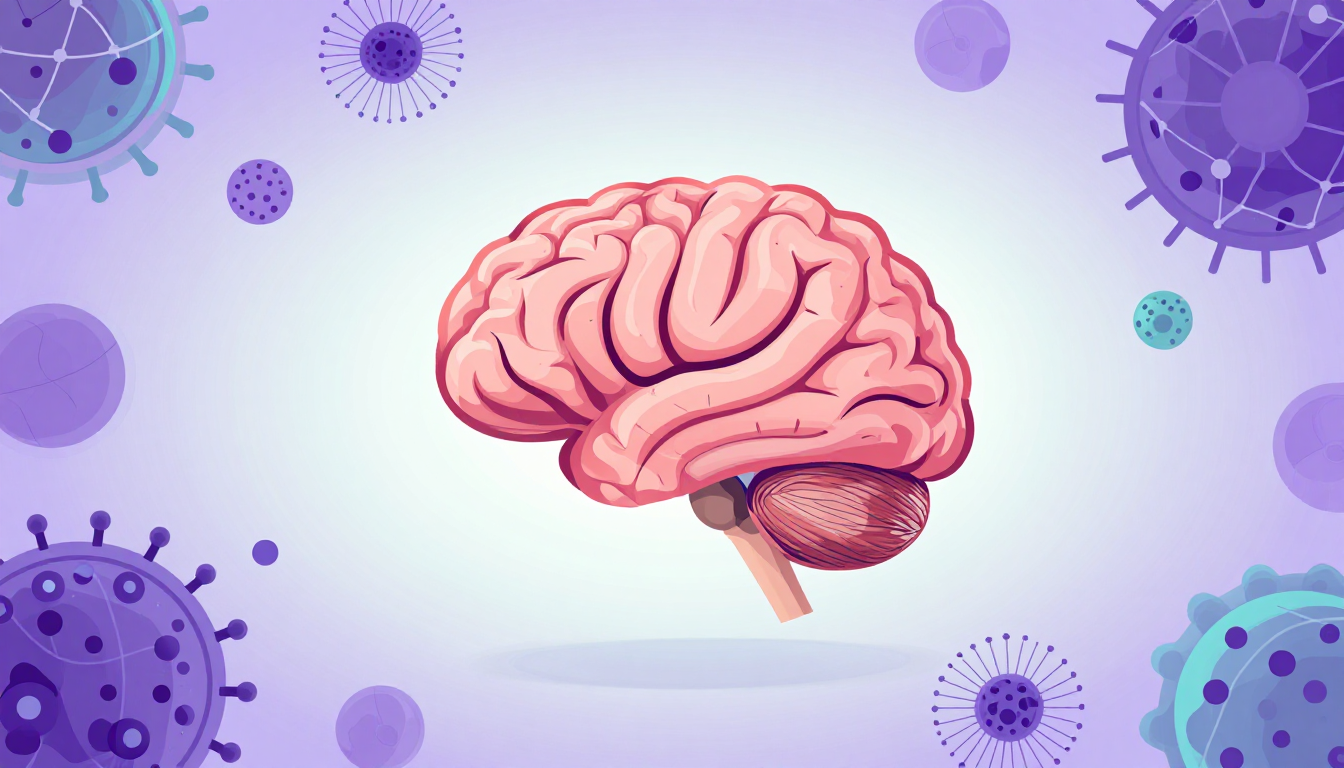
The Protein Corona Isn’t a Bug. It’s Your Nanomedicine’s GPS.
An international team of nanoscientists argues the protein corona — long seen as a destructive coating — should be engineered as a dynamic, stage-aware navigation system to guide drugs across the blood-brain barrier.

Computational Modeling Suggests Link Between Tire-Derived Pollutant and Alzheimer’s Risk
A new study uses network pharmacology and machine learning to investigate how 6PPD-quinone, a common tire-derived chemical, may contribute to Alzheimer's disease pathogenesis through neuroinflammation and oxidative stress.

Sleep Complaints, Tau Tangles, and the Women at Highest Risk
A 2026 UC San Diego study finds that in older women with elevated polygenic Alzheimer's risk, worse sleep quality correlates with reduced visual memory and increased tau tangles — but only in that high-risk group, suggesting sleep may be a modifiable early-warning signal.

The Reassurance Loop: How AI Chatbots Fuel Compulsive Health OCD
An in-depth look at how the always-available, frictionless nature of conversational AI chatbots acts as an amplifier for health anxiety and OCD compulsions, and how clinicians can address it.
Integrating Self and System: The New Holistic Hybrid Health
A comprehensive, human-centric framework for well-being in the hybrid age, stressing agency, double literacy, and environmental sustainability.

Mechanochromic Skin Turns Touch Into Real-Time Color Maps Without Algorithms
A soft polymer skin embeds mechanochromic sensing in its molecular structure, transforming pressure into instant visible structural color, enabling high-resolution robotic touch with simple cameras and zero computational latency.

Half of Psychosis Patients Achieve PTSD Remission in Landmark Trial
A landmark UK trial demonstrates that integrated trauma-focused CBTp achieves 50% PTSD remission in patients with co-occurring psychosis, overturning decades of clinical exclusion and fear.