
Health & Medicine
Clinical research, disease, biotech and medical practice.
TechCrunch 2026 Market Snapshot: AI Funding Waves, Biotech Data Walls and Leaner Venture Bets
Synthesis of latest TechCrunch coverage on market trends in technology, AI, and biotech sectors, focusing on venture trends, AI funding, and sector-specific market shifts.
How Ringg Scaled Voice AI Beyond Calls With $15.5M in Peak XV Funding
Ringg's pivot from DesiVocal text-to-speech to enterprise voice AI, the $15.5M Peak XV funding round, and the startup's vision for agentic workflows across India's healthcare, e-commerce and fintech sectors.
Global Survey Reveals Seismic Shift in Public Trust Toward AI for Health and Education Roles
Neuroscience News survey of 31,000 adults across 35 countries reveals public willingness to delegate mental health, medical, teaching and companion roles to generative AI like ChatGPT, driven by healthcare access pressures and AI's non-judgmental nature.

Unlimited Technology Systems Data Breach: 3.8 Million Patients' Personal and Medical Records Exposed
Healthcare software company Unlimited Technology Systems reported a data breach in October 2025 that exposed personal information of over 3.8 million patients. The incident involved unauthorized access to financial and medical records, including Social Security numbers, driver's license scans, insurance cards, and diagnosis information. Affected individuals were notified starting July 1, 2026, and offered identity monitoring services through Kroll.
The Marmoset Genome Breakthrough: How AI-Driven Genomics Is Reshaping Alzheimer's Research
A new telomere-to-telomere (T2T) reference genome for the common marmoset resolves complex genomic regions and maps 76 neurodegenerative disease genes, advancing Alzheimer's research and demonstrating the scalability of gapless sequencing.

Unseen Targets: How Long-Read Sequencing Unlocked Glioblastoma's Hidden Secrets
Researchers developed the most comprehensive map to date of isoform diversity in glioblastoma using single-cell long-read RNA sequencing. The study uncovered thousands of previously unannotated, tumor-specific genetic isoforms that remained undetected by conventional short-read sequencing. A subset of these novel isoforms can bind MHC Class I molecules, presenting new targets for personalized cancer vaccines and immunotherapies in adult neuro-oncology.
Strong Family, School, Community Bonds Cut Teen Suicide Risk by One-Third
Penn State study of 190,000+ Pennsylvania teens reveals that strong social bonds across family, school, and community environments significantly reduce suicide risk, with family attachment being the single strongest protective factor.
Visual Attention and Childhood Depression: A Bidirectional Link Dependent on Family History
New research highlights how childhood depressive symptoms and visual attention patterns mutually influence each other, with maternal depression history determining whether children focus on sad faces or ignore happy ones.
Google Search Console Is Not Your To-Do List: A New Approach to Site Health
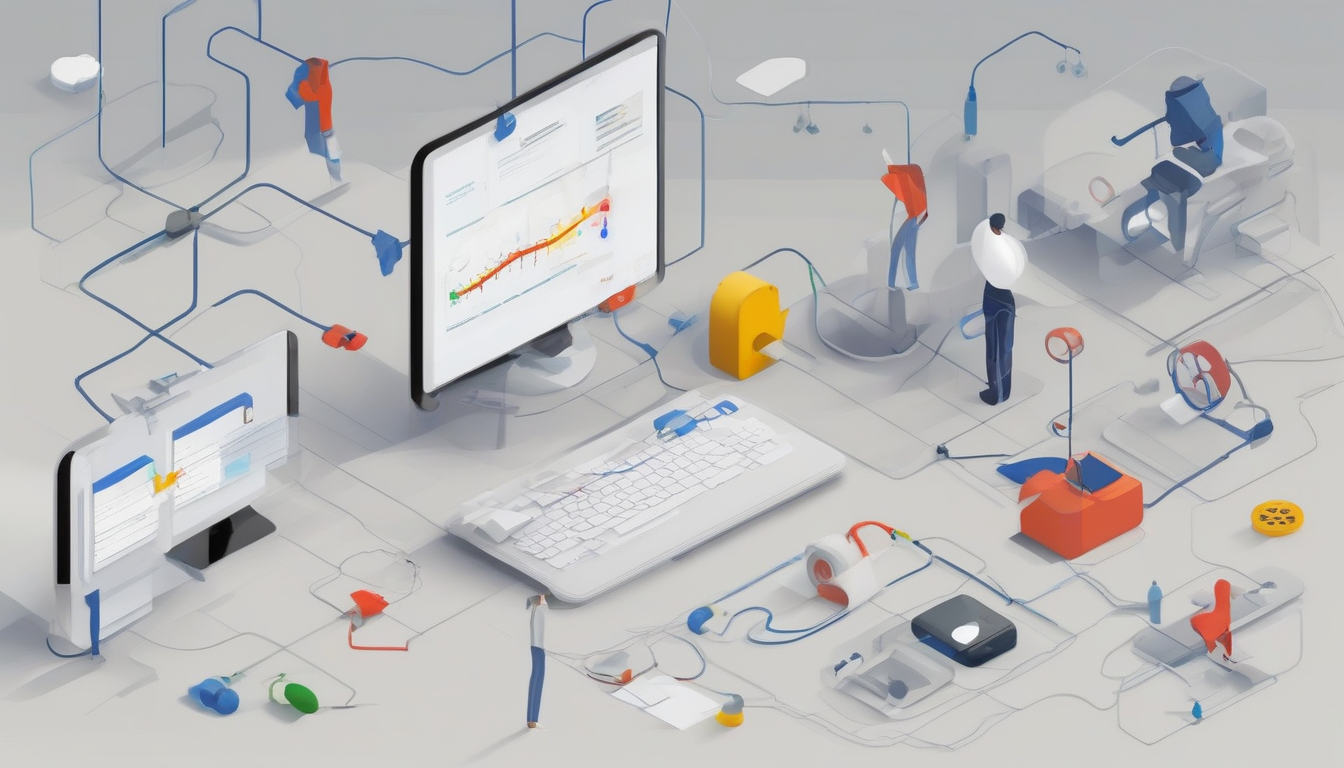
The article provides a fresh perspective on Google Search Console (GSC), moving away from a 'fix-it' mindset towards a strategic, monitoring-focused approach. It incorporates insights from Google’s John Mueller and Martin Splitt, explaining why many 'errors' are natural site behaviors rather than issues requiring attention.
Artificial Cells Divide, Then Starve: Why Self-Sustaining Synthetic Biology Remains Elusive
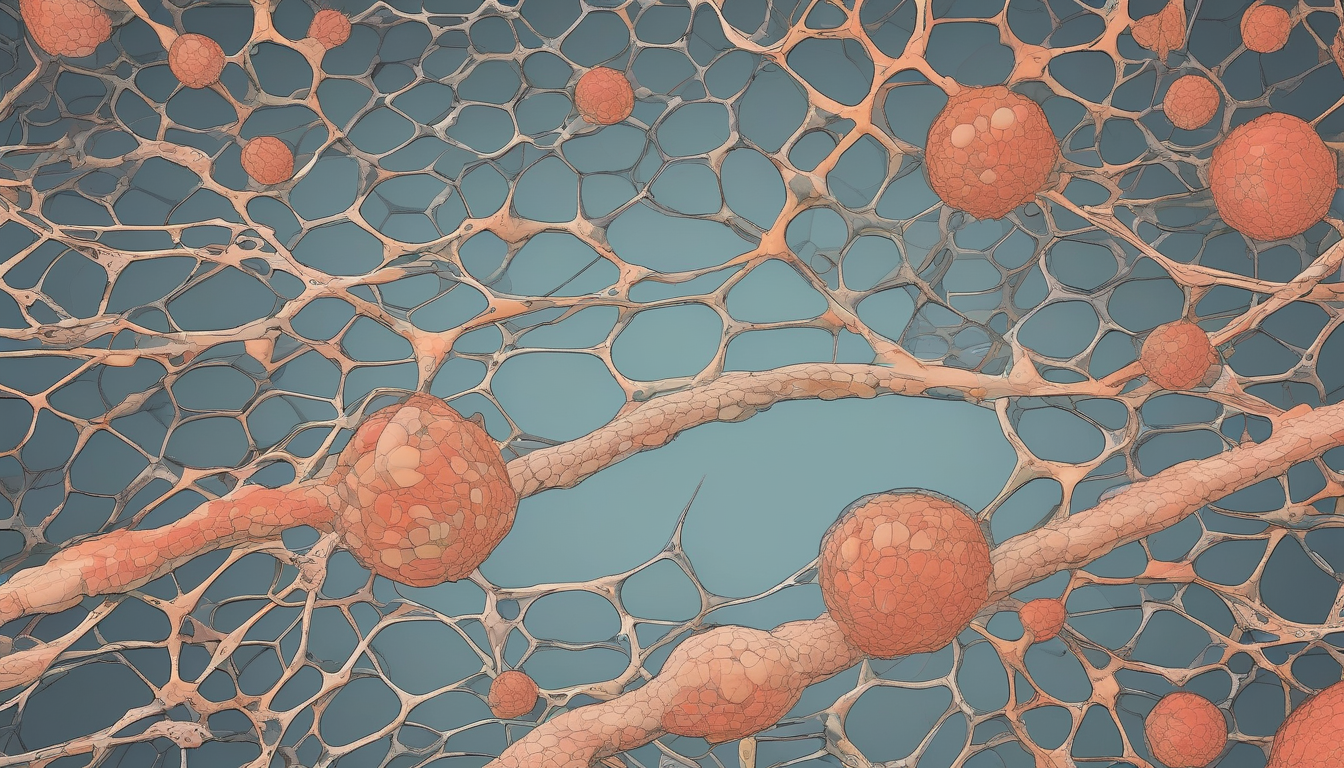
An exploration of the recent research into artificial cell division and the reliance on added materials that limit longevity.
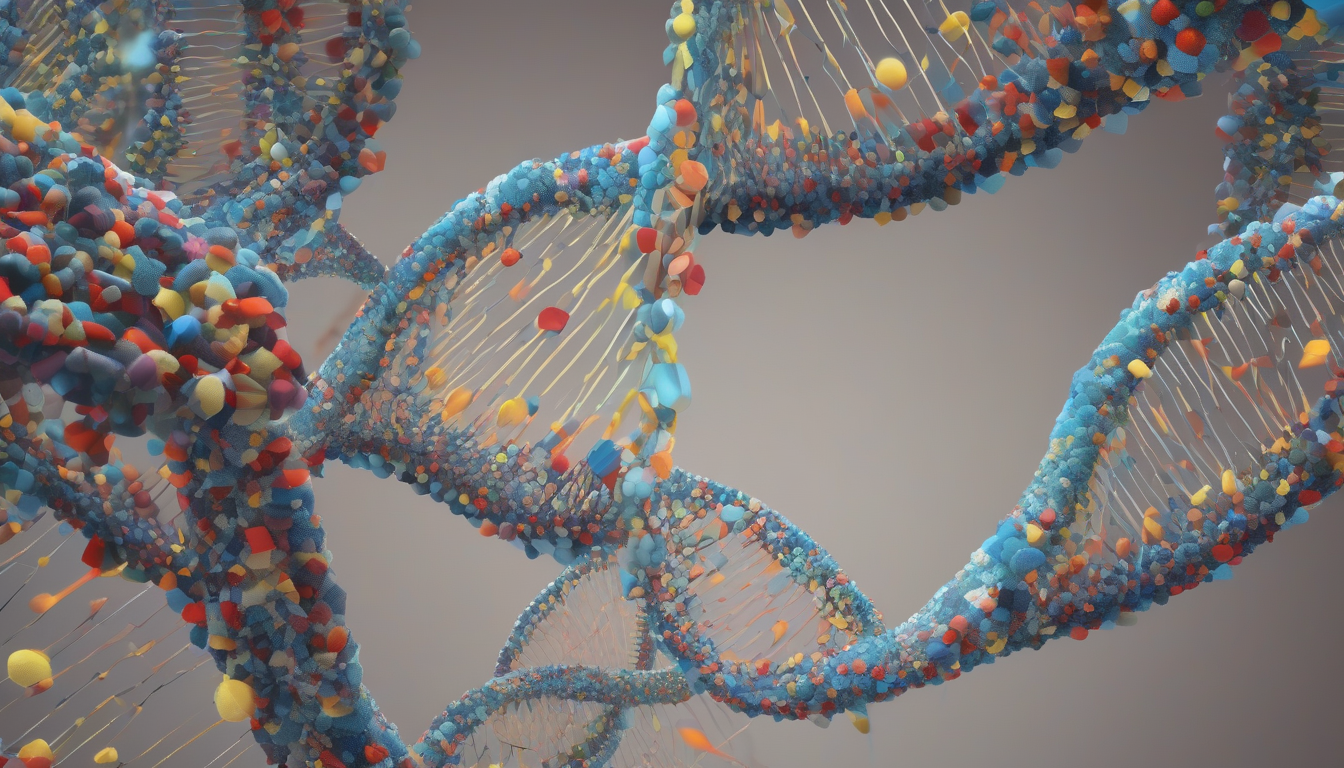
Beyond Base Pairs: How BINND Unlocks DNA's Hypercomplex Binding Code
Researchers developed BINND, a deep learning model that predicts complex DNA-DNA binding with 83.5% accuracy using a dataset of 144 million sequence pairs, enabling scalable DNA computing and data retrieval.
The Word That Torments Us: How One Patient Overcame Frustration by Changing "Should"
A neurologist's patient story reveals how the word "should" creates an expectation-reality gap that fuels suffering. Drawing on Buddhist and Stoic wisdom, the article shows how small linguistic shifts can help patients like Henry find meaning despite Parkinson's disease.