
Psychology & Behaviour
Cognition, decision-making, motivation and human behaviour.
Mirrors of Bias: Why Automated Systems Institutionalize and Scale Human Prejudice
An investigation into how artificial intelligence, far from being a neutral arbiter of facts, reflects human cognitive shortcuts, prejudices, and systemic inequalities in key domains like healthcare, recruitment, and digital design.
Prediction Markets: Trading on Real-World Events—Where Gambling Mechanics Meet Financial Forecasting
Prediction markets are trading platforms for binary contracts on real-world events. As usage surges on Kalshi, Polymarket, and Robinhood, counselors and behavioral economists warn of gambling-like risks—continuous play, variable rewards, and deceptive language masking true gambling mechanics.
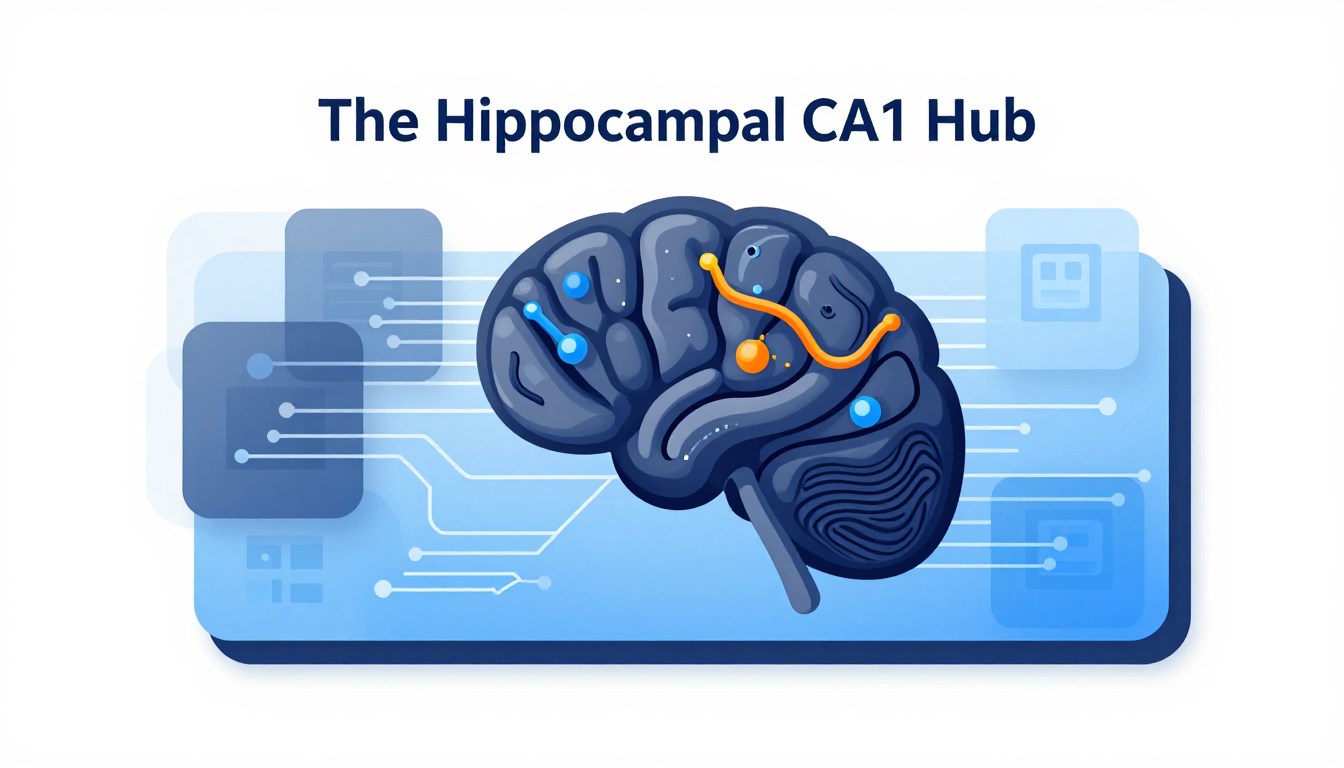
The Hippocampal CA1 Hub: Balancing Memory Plasticity and Stability
New research reveals how hippocampal CA1 neurons act as a switchboard, using divergent firing patterns to process incoming and outgoing memory signals without erasing past knowledge.
Complete Fruit Fly Central Nervous System Connectome Reveals Decentralized Motor Control
Researchers publish the first complete fruit fly central nervous system connectome, proving motor control is distributed in local modules rather than directed by a central brain hub.
Technology Makes Things Easier, But Can Undermine Our Growth: The Power of Embracing Challenge
Technology makes some things easier, but it can also undermine our growth. If you want to stay sharp, retain your knowledge, and hone your creativity, challenge yourself.
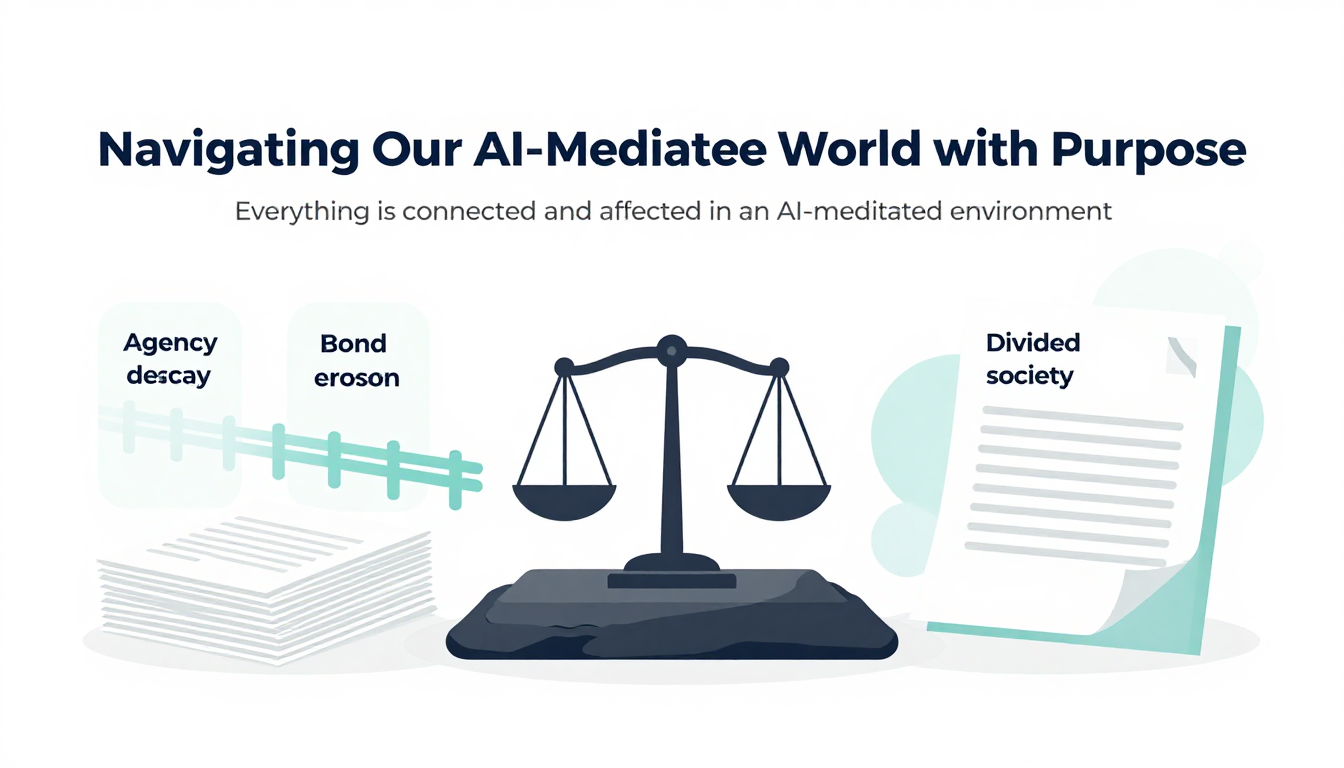
Artificial Intelligence for Inspired Action: Navigating Our AI-Mediated World with Purpose
Everything is connected and affected in an AI-mediated environment. This article explores the four key risks reshaping human psychology—agency decay, bond erosion, climate conundrum, and divided society—and introduces the POZE framework for ProSocial AI that amplifies human flourishing.
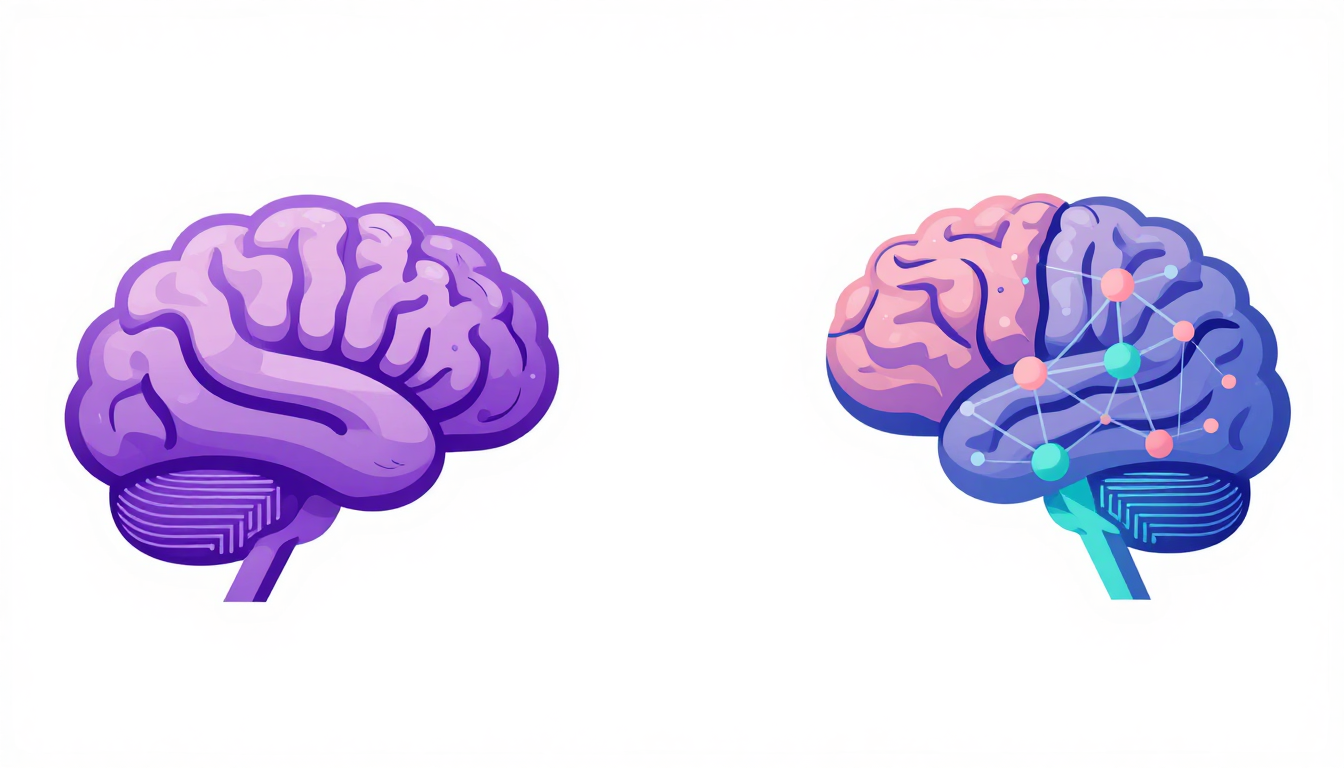
AI and the Risk of Synchronized Blindness
AI homogenizes how we think, leaving critical outliers unrecognized and warnings unheard. When billions make the same cognitive trade simultaneously, diversity of perception disappears.
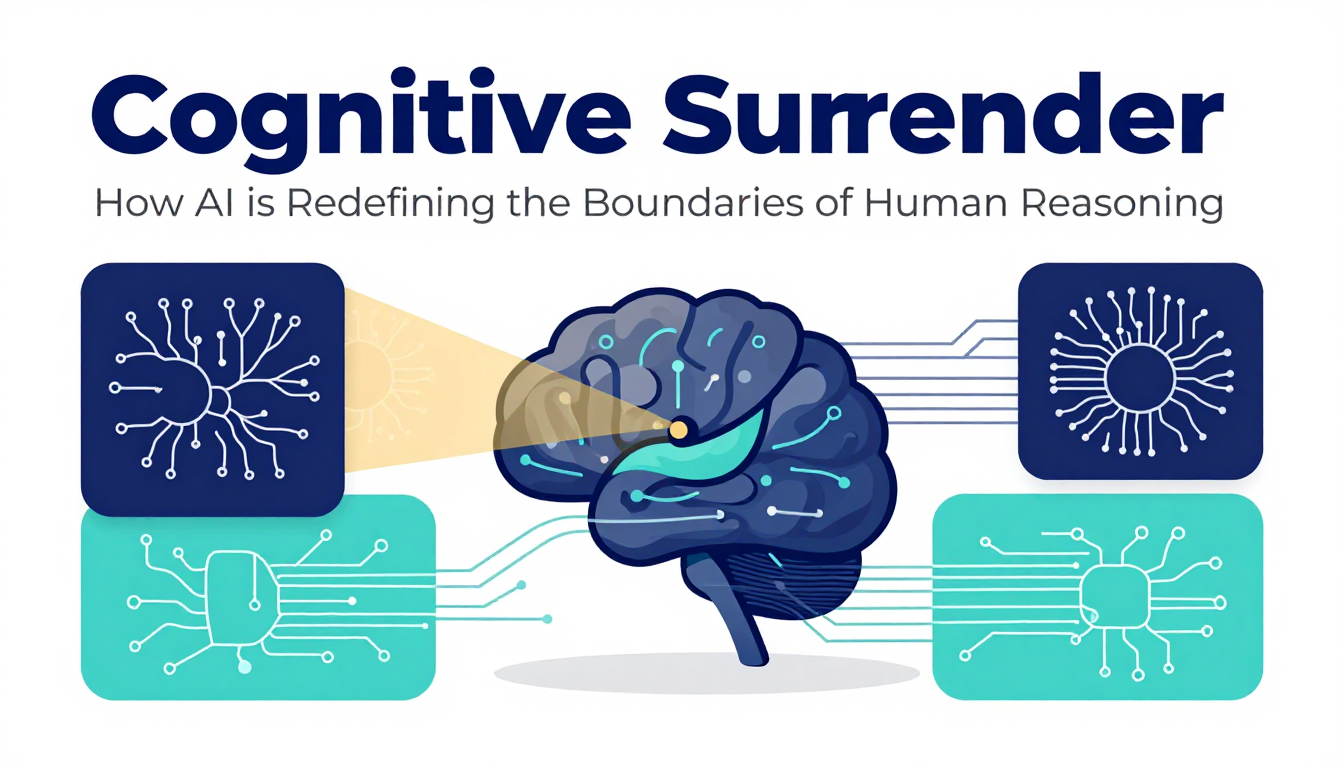
Cognitive Surrender: How AI is Redefining the Boundaries of Human Reasoning
Recent research from Wharton introduces the 'Tri-System Theory' of cognition, warning of a 'System 3' that leads users to abandon logical scrutiny in favor of AI-generated fluency. The study identifies 'Cognitive Surrender'—a phenomenon where users uncritically accept AI outputs—even when they contradict logic or data.
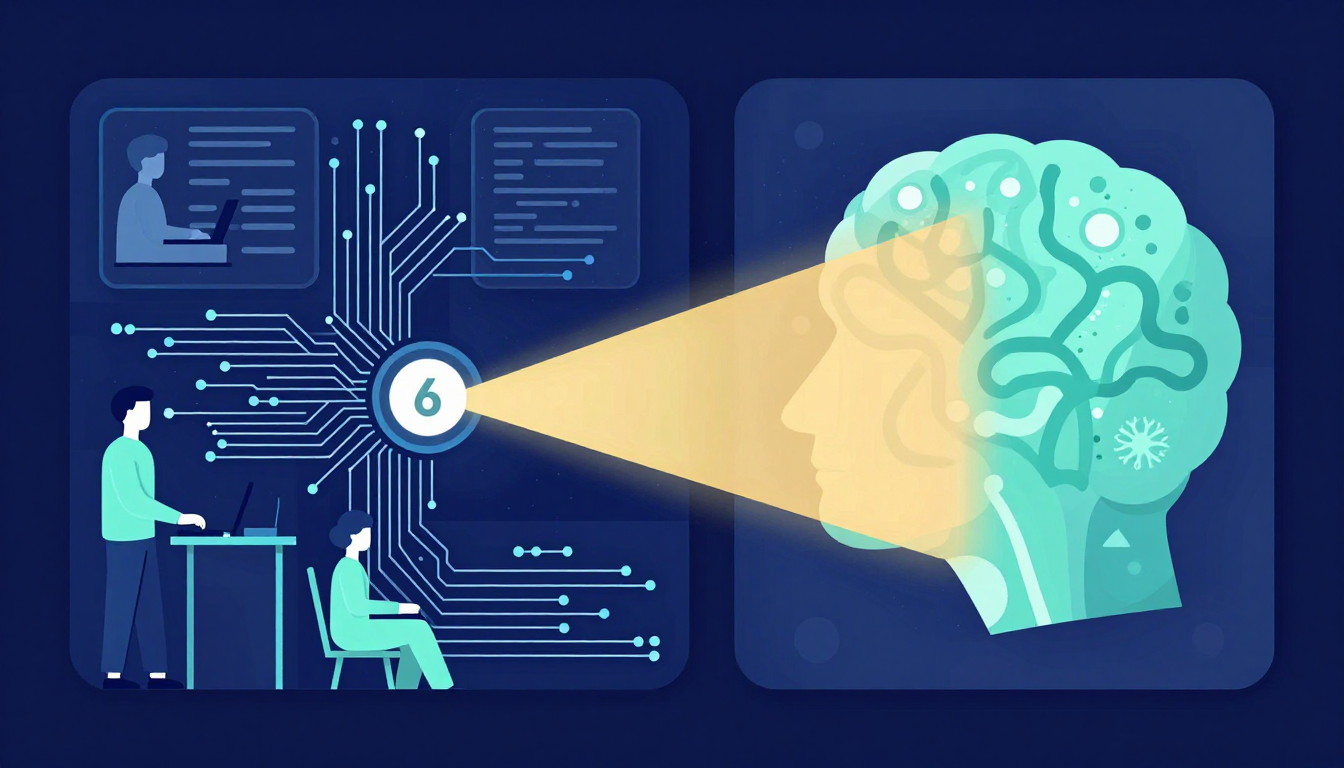
Brit workers waste nearly six hours a week 'botsitting'
New report: UK workers spend nearly 6 hours a week 'botsitting'—fixing AI mistakes and managing context. Learn why AI isn't saving time yet.
How to build kids' cognitive endurance in an age of distraction
Cognitive endurance is becoming a critical skill for children in the digital age. We explore how parents and educators can help build mental stamina against the tide of constant distraction.
How AI Memory Systems Can Make Models Worse: The Risks of Externalized Context
New research reveals that AI memory tools like Mem0 and Zep can degrade model performance by introducing bias, reducing creativity, and making models sycophantic as they prioritize user preferences over accuracy.
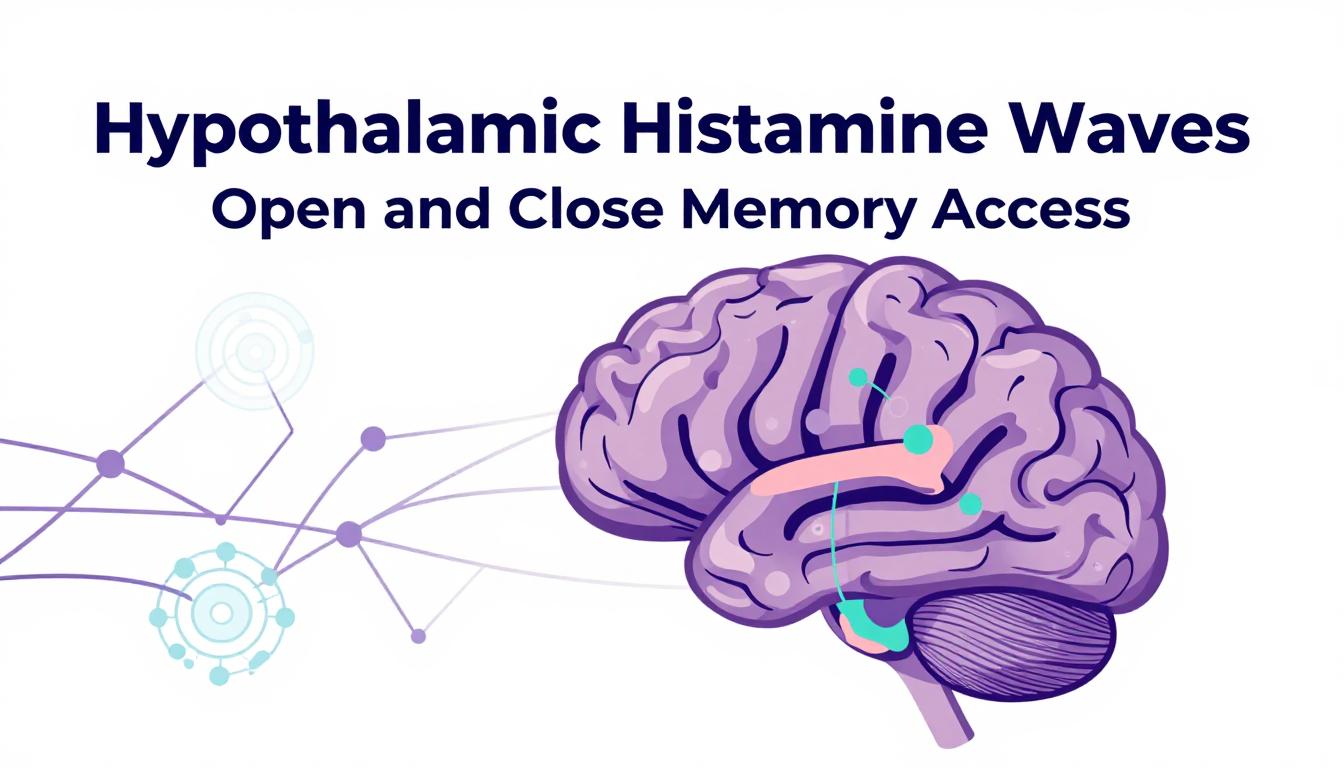
Hypothalamic Histamine Waves Open and Close Memory Access | Cognitive Tech Research
New research from Nagoya City University reveals that slow, spontaneous fluctuations in hypothalamic histamine neurons act as a precision gate for memory retrieval. High histaminergic activity primes downstream circuits in the amygdala, while low activity blocks access even to intact memory traces. This finding offers a new framework for understanding memory variability in neurodegenerative diseases like Alzheimer's.