
AI Infrastructure
AI infrastructure startups, data center deployments, and hardware supply chain developments
Google DeepMind releases DiffusionGemma, a model that runs local AI 4x faster
DiffusionGemma represents a paradigm shift in text generation, using diffusion techniques to achieve 4x speed improvements over autoregressive Gemma models while maintaining quality.
TensorWave to Use $350 Million Funding to Expand Data Centers with AMD Chips
TensorWave, an AI infrastructure startup positioning itself as an alternative to NVIDIA-focused data centers, has secured $350 million in new funding that will be used to expand its infrastructure with AMD chips.
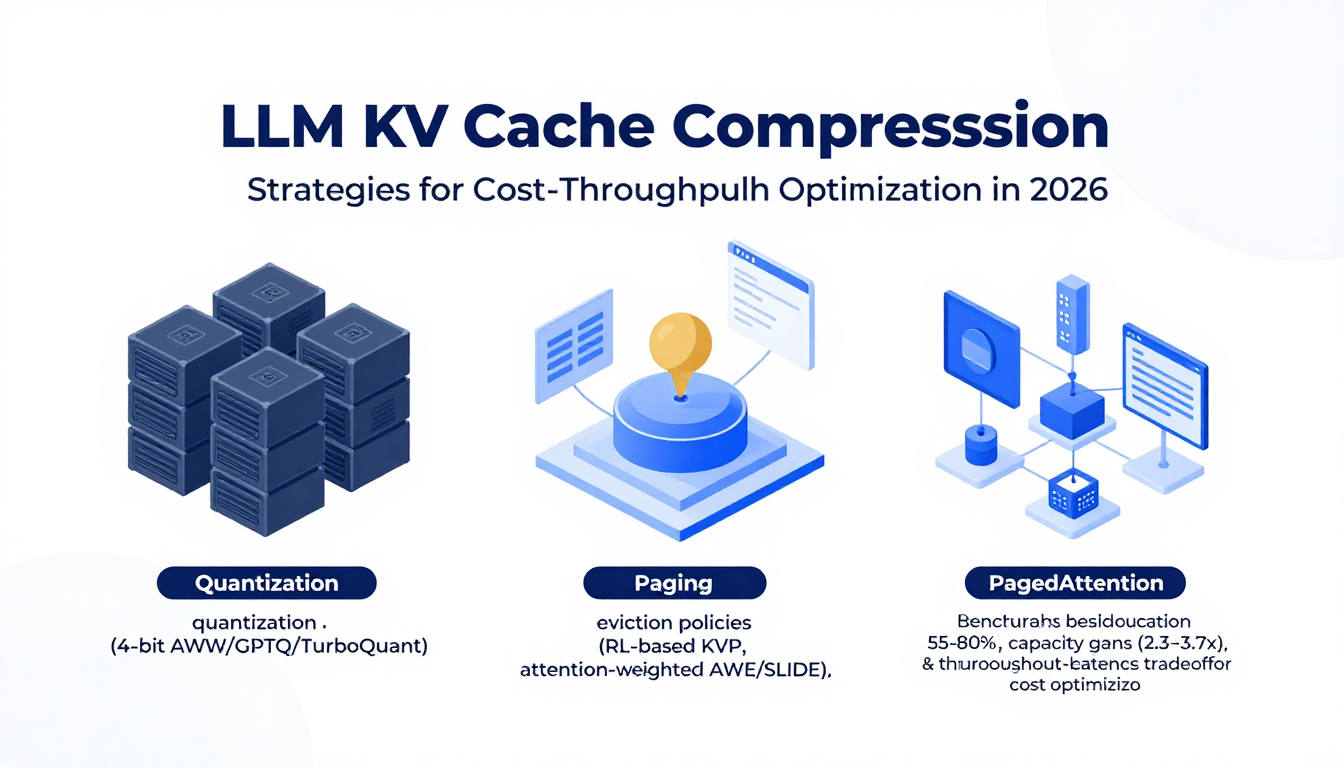
LLM KV Cache Compression: Quantization, Eviction & Paging Strategies for Cost-Throughput Optimization in 2026
A technical survey of KV cache compression techniques in 2026—quantization (4-bit AWQ/GPTQ/TurboQuant), eviction policies (RL-based KVP, attention-weighted AWE/SLIDE), and paging (PagedAttention)—with benchmarks on memory reduction (55-80%), capacity gains (2.3-3.7x), and throughput-latency tradeoffs for cost optimization.
Amazon’s $13 Billion India Bet Is Just the Tip of an AI Infrastructure Iceberg
Amazon commits $13B more to India's AI infrastructure push, capping off nearly $48B in total commitments since 2023 and accelerating a global scramble to build computing muscle on the subcontinent.

Jean-Baptiste Kempf’s Kyber Is the Security & Compliance Analyst’s First Look at Real-Time Robot Control
French open-source legend Jean-Baptiste Kempf is building Kyber, an infrastructure layer for secure, low-latency remote control of robots and drones — a critical backbone for physical AI, with early deployments already underway in defense, telco, and robotics.
The 20-Year Cloud Arc: How AWS Defined Modern IT, and Why Pragmatism Has Replaced Hype
A retrospective analysis of AWS's twenty-year impact on enterprise computing, tracing the evolution from the 2006 launch of S3 and elastic infrastructure to the modern challenges of cloud cost optimization, regional repatriation, and the specialized AI infrastructure boom.
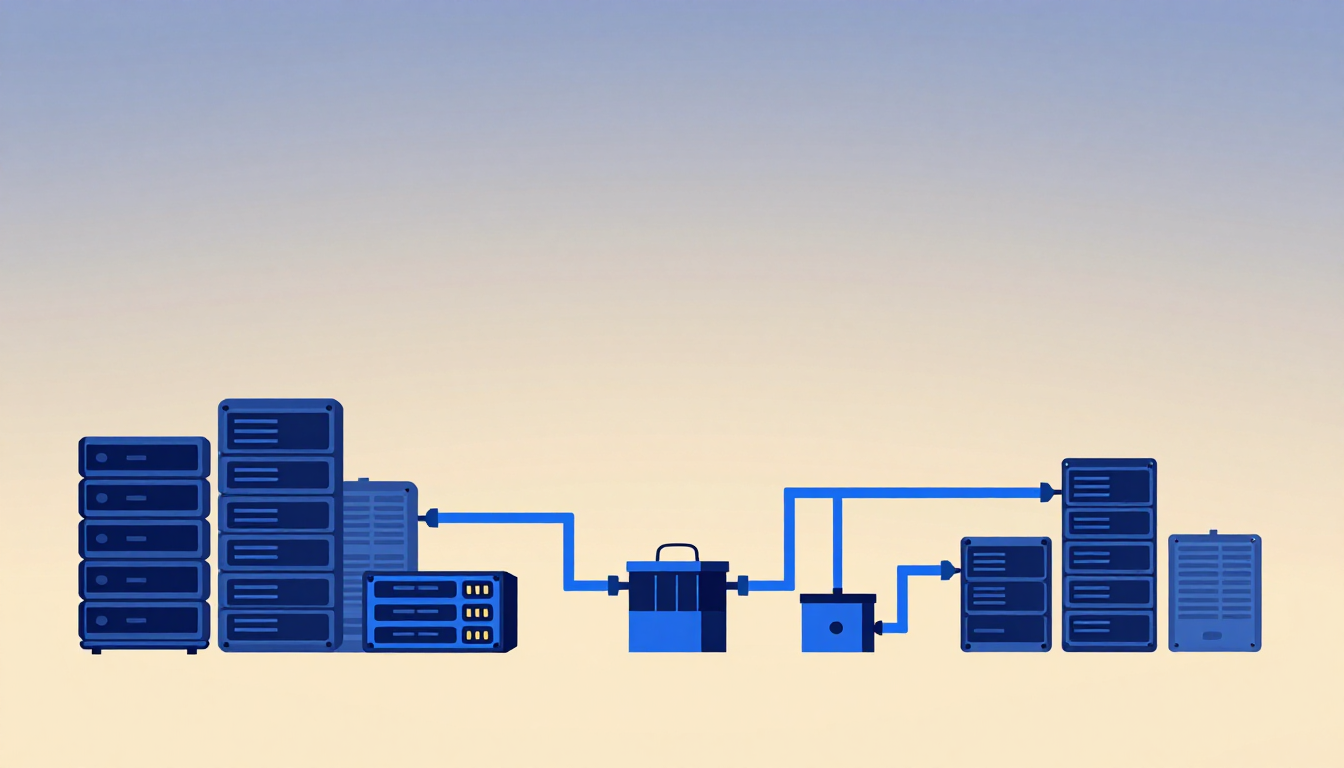
Scaling AI: Why Data Infrastructure is the Real Bottleneck
As enterprises shift from AI experimentation to production, optimizing data infrastructure is more critical for ROI than GPU count alone.
AI Training Compute Scales 4-5x Annually from 2010 to 2024
Verified trends in training compute growth for AI models from 2010 through 2024, including frontier models, language models, and leading companies' top models, all showing consistent 4-5x/year growth.
Beyond GPU Hunger: How Weka Refines AI Infrastructure to Stop Inference Waste
An exploration of how new storage architectures, specifically Weka's NeuralMesh 6/Augmented Memory Grid, aim to reduce GPU bottlenecking by caching pre-calculated tokens for long-context LLM inference.

The VLC Creator's New Bet on Real-Time Infrastructure — And What It Means for ai cloud infrastructure companies in india
Jean-Baptiste Kempf, creator of VLC Media Player with over 6 billion downloads, is channeling his open-source expertise into Kyber — a $5M-funded SDK that synchronizes video, audio, sensor data, and control inputs across remote devices with minimal latency. Backed by Lightspeed, the Paris-based startup is building infrastructure for robotics, drones, and remote IT access at a scale where every millisecond matters.
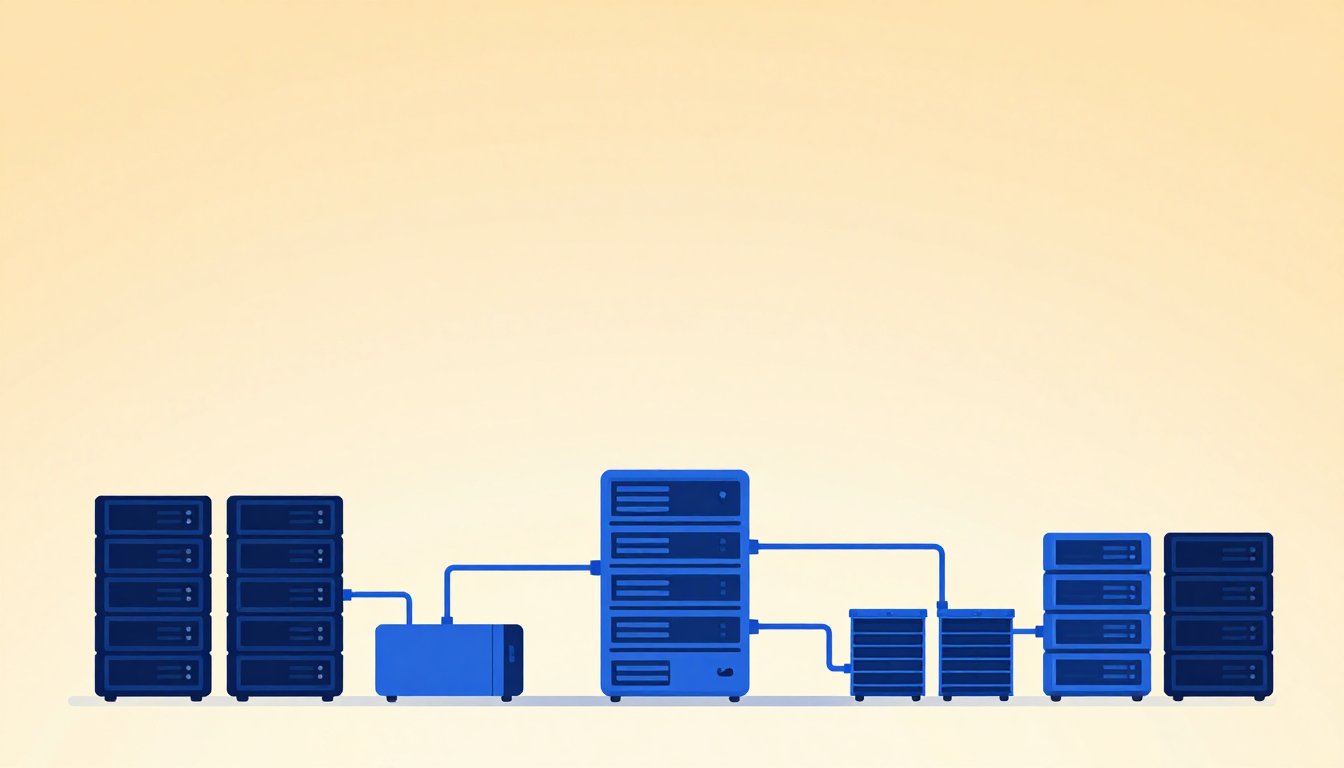
AI Investment ROI: Why Data Delivery is the New GPU Constraint
As enterprise AI initiatives scale, performance is hitting a data delivery wall. Learn why the bottleneck to AI ROI is shifting from compute to the storage-to-compute boundary and how re-architecting for decoupled, resilient infrastructure is critical for success.

Beyond Ethernet: Architecting High-Performance Fabrics for AI Workloads
AI training and inference demand unprecedented bandwidth and low latency, straining traditional Ethernet-based fabrics. We explore the architectural shift toward intent-based, AIOps-driven network fabrics in the modern AI datacenter.