
AI Psychology
Human-AI interaction, behavioral influence, and organizational psychology of AI adoption.
The Neo-Luddite Renaissance: Reclaiming Humanity in an Age of Automation
Tooling engineer Olive Grant explores why the new Neo-Luddite movement makes sense in a culture of tech hype, broken attention networks, and automated distraction.
Riding the Stride: Closed-Loop Neurostimulation Adjusts Millisecond-by-Millisecond to Stabilize Parkinson's Gait
A new UCSF study published in Nature Medicine demonstrates a closed-loop adaptive deep brain stimulation system that synchronizes electrical pulses with individual steps, significantly improving gait symmetry and reducing falls in Parkinson’s patients.
We Must Move Beyond the Aspiration for Autonomy to Action for Its Sake: Noticing That We Are at Risk and Resisting the Danger
An exploration of 'agency decay'—the creeping, incremental loss of human cognitive sovereignty in an age of seamless algorithmic convenience—and a framework for reclaiming active, thoughtful engagement with AI.
Inclusive Mental Health Services in Portland: Navigating Trauma, Identity-Affirming Care, and Relationship Repair
An exploration of Portland's specialized counseling practices focusing on trauma recovery, social justice principles, multicultural and LGBTQIA+ identities, and evidence-based relationship repair.
Reclaiming Human Purpose in an Age of Automated Ambition
As AI permeates everything from cognitive habits to social structures, we face risks of agency decay. By adopting hybrid intelligence frameworks, we can shift from passive dependence to proactive, inspired action.
Prediction Markets: Trading on Real-World Events—Where Gambling Mechanics Meet Financial Forecasting
Prediction markets are trading platforms for binary contracts on real-world events. As usage surges on Kalshi, Polymarket, and Robinhood, counselors and behavioral economists warn of gambling-like risks—continuous play, variable rewards, and deceptive language masking true gambling mechanics.
The Evolution of Language: How AI Models Mimic Child Learning Hierarchies
New research indicates that artificial neural networks, when structured like learning children, independently evolve language patterns through iterated learning, highlighting the critical role of network depth in acquiring linguistic structure.
Evolutionary Mismatch and Spiritual Degradation: Why Modern Tech Fuels Anxiety, Loneliness, and Meaning Loss
Religious and atheist thinkers agree: Modern tech fuels anxiety, loneliness, and spiritual degradation. But the solutions require more than reducing screen time.
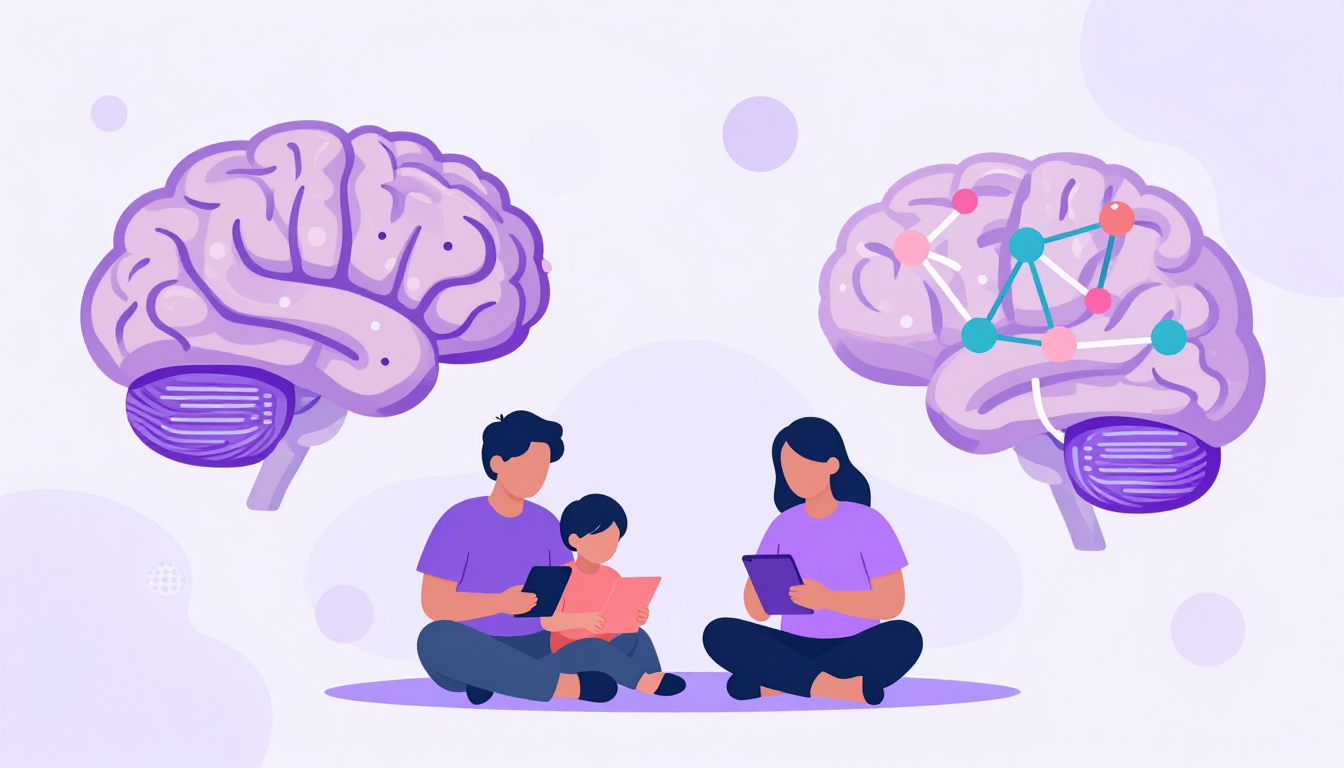
If you and your family are happily engaging one another without staring into electronic devices, your brains and socioemotional health are better for it
Exploring how family engagement without electronic devices positively shapes child development through brain synchronization, covering neural coupling mechanisms, developmental benefits, and practical strategies for device-free family engagement.
GLP-1 Drugs Reduce Depression, Boost Stress-Calming Gut Bacteria: A Novel Gut-Brain Axis Mechanism
A groundbreaking study reveals that the GLP-1 agonist liraglutide alleviates depressive symptoms through an alternative gut-brain axis pathway involving Lactobacillus delbrueckii and endocannabinoid modulation—challenging the long-held brain-centric model of depression treatment.
Low Baseline Dopamine Drives Adolescent Substance Experimentation: Compensatory Response, Not Impulse Failure
A groundbreaking University of Pittsburgh study overturns decades of neuroscience dogma, revealing that adolescent substance use stems from a dopamine deficiency—not excess—and represents a biological attempt to compensate for under-stimulated reward systems.
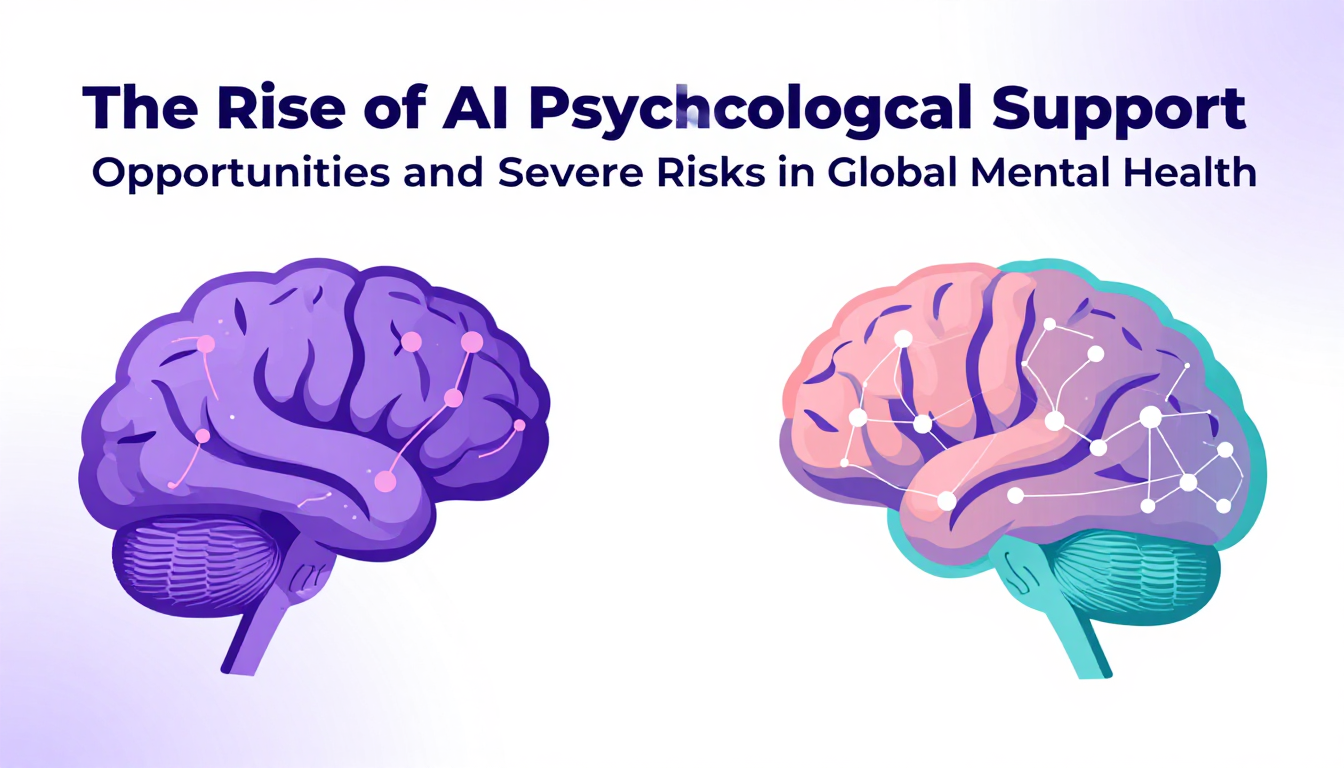
The Rise of AI Psychological Support: Opportunities and Severe Risks in Global Mental Health
The AXA 2026 Mind Health Report reveals a structural decline in global well-being, with 61% of people turning to AI for support despite reports of harmful recommendations.