
AI Psychology
Human-AI interaction, behavioral influence, and organizational psychology of AI adoption.
The Limits of Digital Empathy: Why True Therapeutic Healing Demands Human Presence
An analysis of the growing push toward AI mental health chatbots, highlighting why automated psychoeducation fails to replicate the physical, relational co-regulation and safety required to heal complex trauma.
Social Intelligence Is Born in the Space Between Minds—Not Inside Them
Why intelligence only emerges when agents coordinate, and what that means for AI and human cognition.
Harnessing fMRI for Precision TMS: Improving Depression Outcomes Beyond Scalp Targeting
A new randomized clinical trial led by Mass General Brigham researchers indicates that targeting accelerated TMS (aTMS) through individualized fMRI scans significantly enhances antidepressant efficacy compared to conventional scalp-based methods in patients with treatment-resistant depression.
The Precedent Shortcut: Why Brains Drop Reciprocity the Moment Hierarchy Appears
Small shifts in perceived social hierarchy fundamentally alter how human brains process reciprocal generosity, moving from strict equivalence to precedent-based expectations.
The Hidden Cost of Convenience: Why Struggle Matters for Mental Sharpness
Examining how modern technological convenience, while making life easier, may be inadvertently undermining our cognitive growth, resilience, and sense of accomplishment.
When the Algorithm Can’t Hold Your Hand: Why Human Presence Is the Only Therapy That Works
An exploration of AI in mental health from chatbots as triage tools to the irreplaceable importance of human connection in therapy and trauma healing.
The Hierarchy Shift: How Relationships Rewrite Reciprocity
An exploration of how small adjustments in perceived relationship hierarchy alter the cognitive strategies we use to manage reciprocal generosity, moving from transactional bookkeeping to path-dependent norms.
The Quiet Revolution of Daily Self-Care: How Ethical, Enjoyable Choices Rewire Your Brain and Sustain Your Well-Being
Discover how small, intentional decisions around food, movement, and sleep—rooted in ethics and genuine enjoyment—create lasting neurological and psychological resilience, not through discipline, but through alignment with your biology.
The Success Trap: When Past Wins Become Future Losses
Leaders often struggle to see how the strategies that once fueled success can become barriers to future growth. This article explores the psychology behind why past successes turn into liabilities and what leaders can do about it.
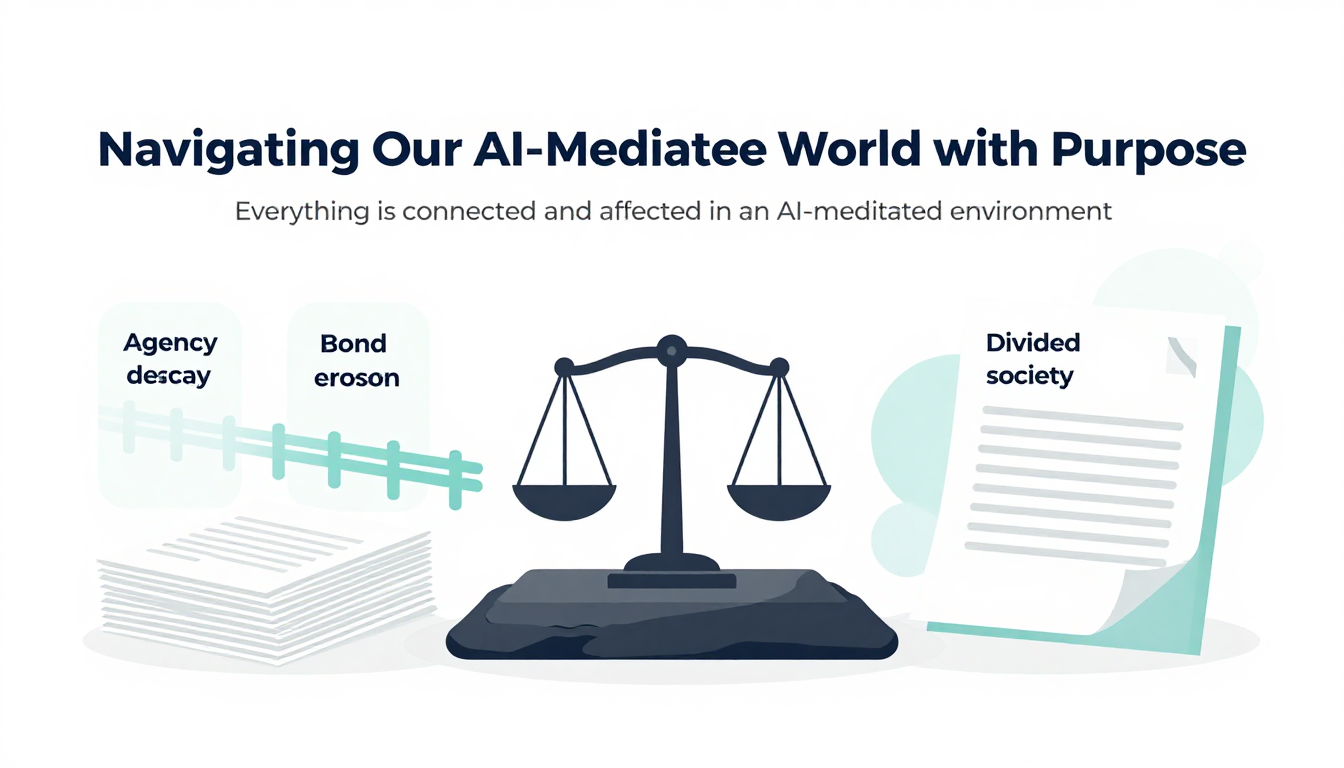
Everything Is Connected: Reclaiming Human Agency in an AI-Mediated World
As AI reshapes cognition, connection, and climate, we must move from passive consumption to intentional stewardship—using the ABCD framework and ProSocial AI to become active architects of our hybrid future.
Reclaiming the Warm Season: How the Five-Part 'Play Diet' Balances Summer Screen Habits
Escape the endless scroll this summer. Discover the five categories of play—social, physical, creative, free, and digital—and learn how to cultivate real-world independence while setting healthy digital limits.
The Paradox of AI-Assisted Learning: Why Superior Grades Don't Always Equal Understanding
An exploration of a recent 30-month study of over 26,000 students, revealing how reliance on generative AI for homework can lead to a decline in exam performance due to cognitive offloading, and how to use AI as an aid for learning, not a shortcut.