
Behavioral Psychology & Habit Formation
Articles on evidence-based psychological techniques, habit formation strategies, and behavioral science approaches to improving productivity, decision-making, and wellbeing without relying on willpower or discipline.

Behavioral Economics and Decision Science: What People Believe About Subliminal Advertising
A Queen Mary study examined public beliefs about hidden psychological influence in advertising and politics—not whether subliminal techniques change choices.

Effective Behavior Change Interventions Across Crises: Social Support, Access, and Skills Over Knowledge and Beliefs
Researchers identify effective behavior change interventions across different crises, such as pandemics and climate change, finding that common approaches focusing on knowledge or beliefs are often ineffective. Interventions enhancing social support, behavioral skills, and access to resources show more significant impacts.
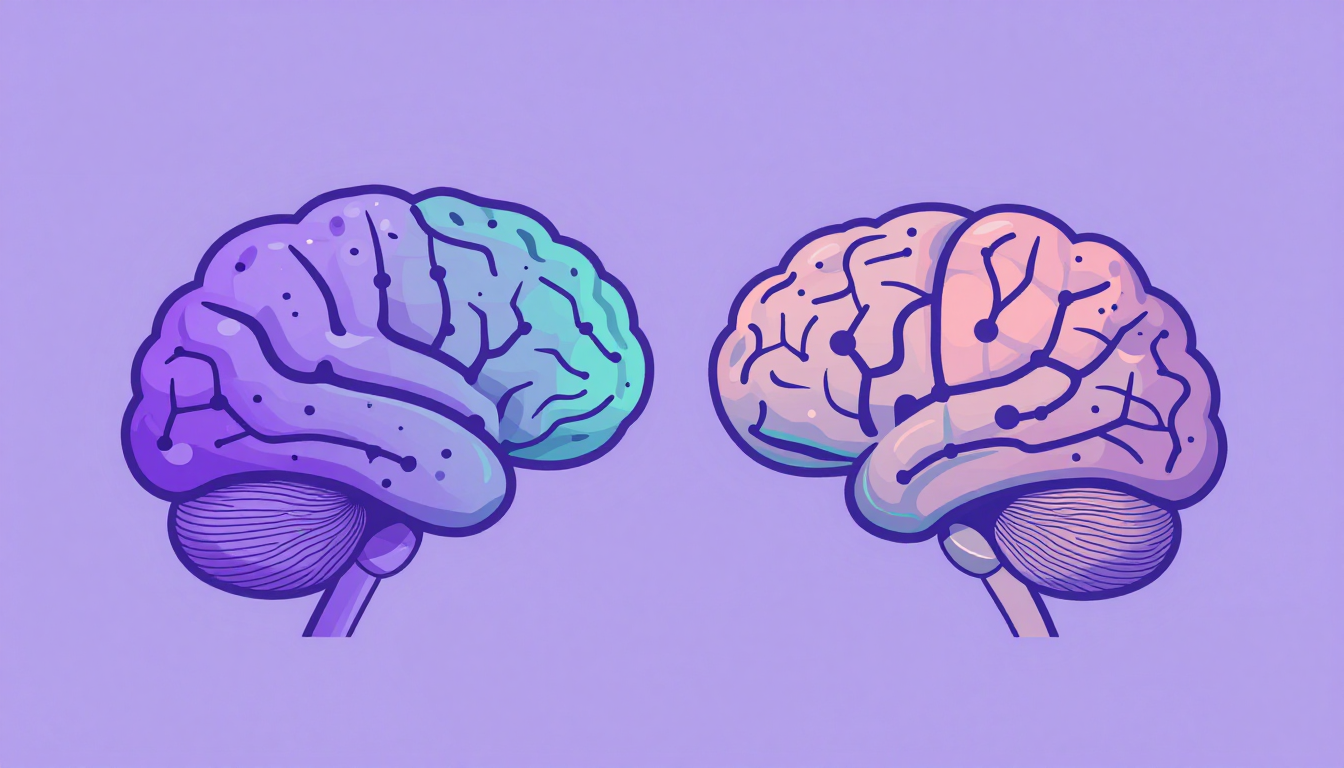
The Two-Brain Secret Behind Why You Can’t Break Bad Habits
Kyoto University researchers discover that habit formation is governed by two separate neural circuits: a gatekeeper pathway (ACC-RSC) that determines whether a behavior becomes habitual, and a volume knob pathway (lOFC-central striatum) that controls habit intensity. The findings offer new targets for treating compulsive disorders like OCD and addiction.
Why You Don't Need More Discipline (And What to Do Instead)
Discipline is a finite resource. Research shows two underappreciated habits—future self-continuity and stress reappraisal—can make productivity feel effortless by working with your brain instead of against it.