
PublishLens Article Library
Explore source-grounded articles across engineering, applied AI, science, business, and policy, with practical context and clear topic desks for every reader.
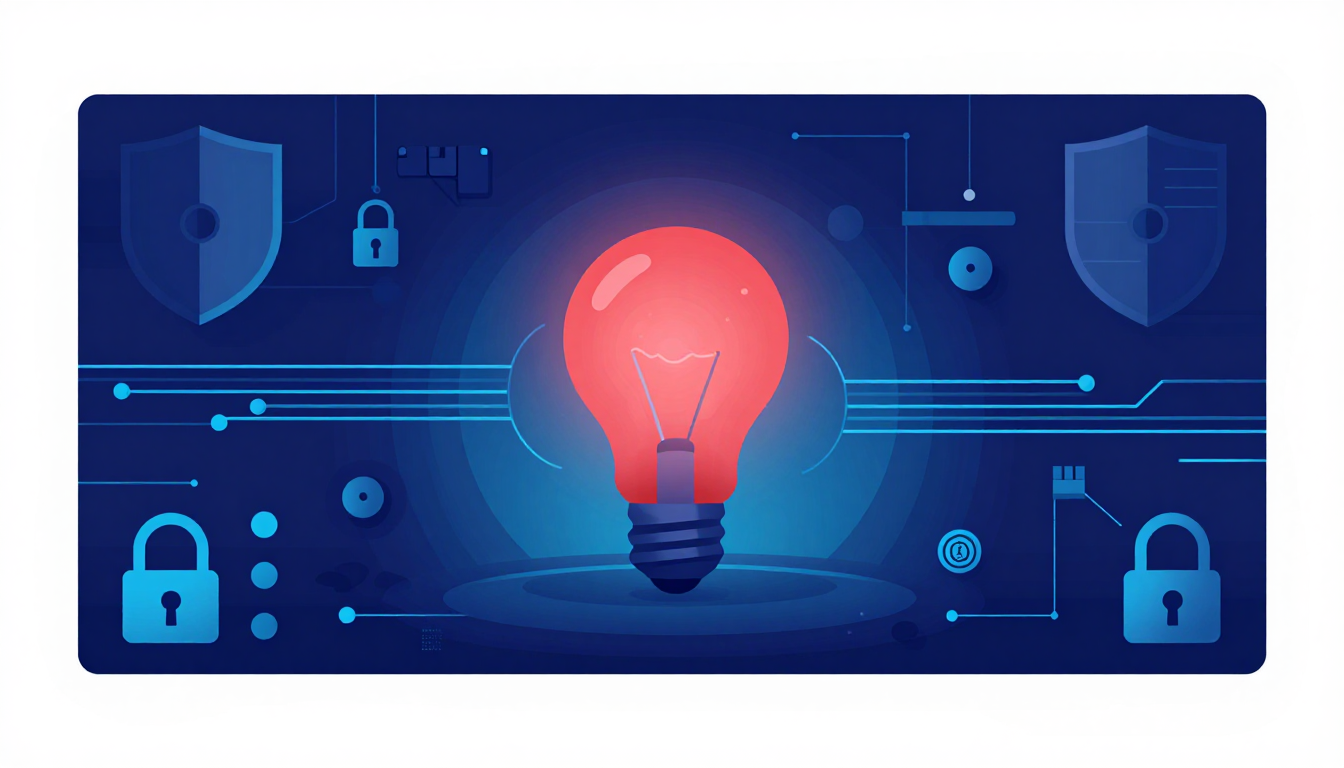
We Can Take Power From a Plasma: Realta Fusion’s Direct-Electricity Breakthrough
Realta Fusion powered a lightbulb using electricity harvested directly from fusion plasma—the apparent first by any private company—and showed how skipping steam turbines could slash the path to net-positive fusion.

The LCP Trap: Why Your Optimization Efforts Miss the Real Largest Contentful Paint
John Mueller highlights a case study showing how carousel-heavy layouts trick browsers into measuring the wrong element—causing image compression and server optimizations to fail. Learn why fixing LCP starts with verifying what the browser actually measures.
The Star Trek Conundrum: Why High Definition Betrayed the Original Series
Anthony Caccese's 240-MP project captures the magic of retro TV viewing experience for Star Trek fans who find modern remasters fail to deliver the charm of original broadcasts.
What Is Cybersecurity? Types and Threats Defined
Cybersecurity isn't about perfect defenses—it's about staying ahead when attackers move faster than your budget. Here’s how CompTIA, IBM, and OWASP define the battle—and where free learning still exists.
TypeScript 7.0 Ships Native Go Compiler — 12x Faster Builds, and AI Devs Can Finally Typecheck Locally
TypeScript 7.0 ships its first native-code compiler—rewritten in Go—and delivers up to a 12x speedup on full builds, restoring local development speed for massive repos like VSCode and Slack. We break down why the rewrite matters, how Go pulled it off, and what this means for AI-driven toolchains.
70 Years of AI: How Psychology and Cognitive Science Built Artificial Intelligence
The 70th birthday of artificial intelligence marks not just a technological milestone, but also the birth of cognitive science and psychology's modern collaboration with computing—where terms like neural networks, learning, memory, and intelligence were borrowed directly from psychology to build machines that simulate human thought.
Google Says LLMs-Author.txt and Content-Signal Headers Don't Work — Here's Why
John Mueller confirms that neither llms-author.txt nor Cloudflare's Content-Signal robots.txt directives are used by Google or any other crawler, debunking a Reddit SEO experiment aimed at solving name disambiguation.

Security & Compliance Analysts Should Care About the UK's AI CV Tool
Prime Minister Keir Starmer’s “AI Work Assistant” promises help for jobseekers—but it’s the same tech flooding enterprise applications. Here's why security & compliance analysts need to watch closely.
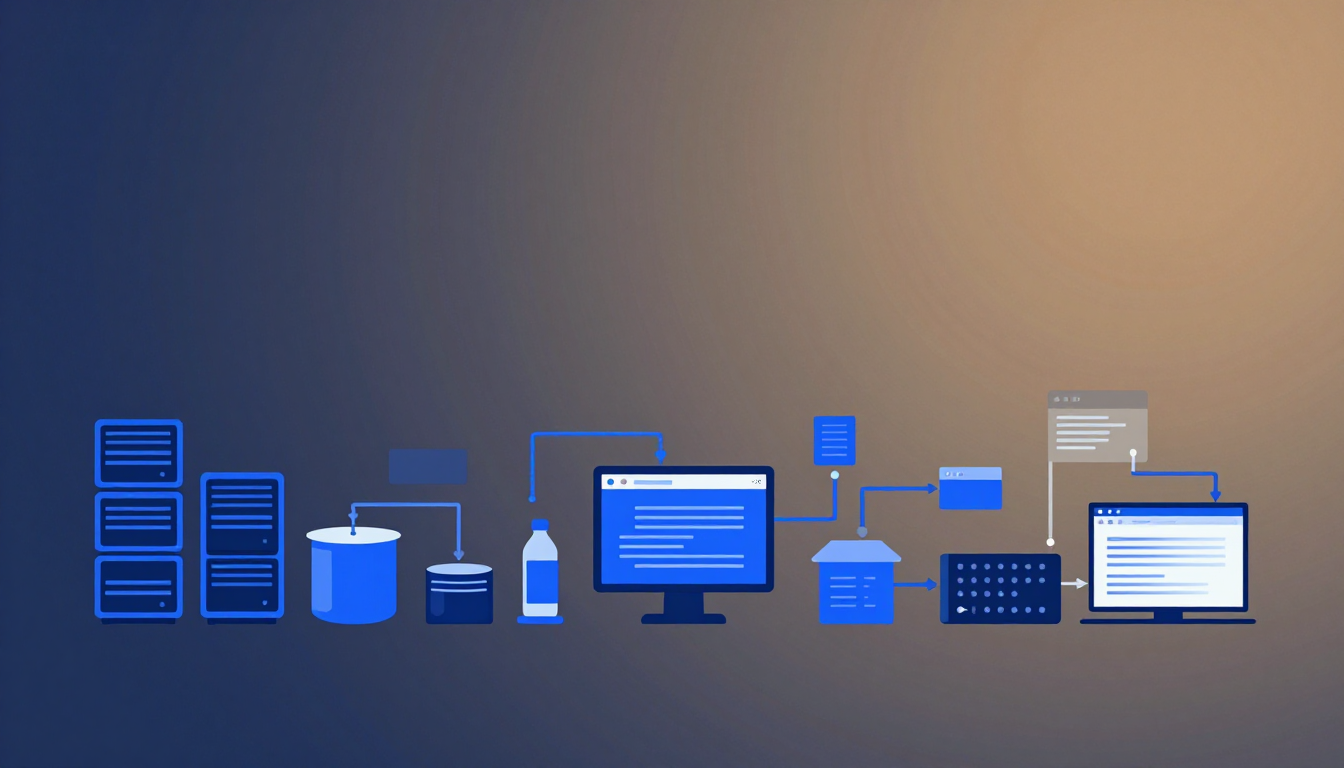
The Hydration Trap: When Server-Rendered HTML Needs JavaScript to Wake Up
Understanding how client-side hydration transforms static server-rendered HTML into interactive experiences, and the performance and SEO trade-offs that developers must manage to ensure search engines correctly index their content.
Random Sounds During Sleep Disrupt Memory — Even When They Don’t Wake You Up
A University of Freiburg study reveals that random acoustic clicks during sleep—without arousal or full awakenings—block slow-wave propagation across the cortex, impairing both factual and motor memory consolidation. The damage happens beneath the surface: total sleep time appears normal, yet the brain’s internal architecture unravels.
Brand Is the New Backlink: What the SEO Panel Got Right About AI Search
SEO professionals at WordCamp Europe laid out why brand recognition is replacing traditional link-building as the primary signal for AI-driven search visibility — and what businesses actually need to do about it.

Remote Kill Switch: When a Government Program Bricks Thousands of Routers Overnight
Australia's Measuring Broadband Australia program ended June 30, 2026 — and SamKnows remotely bricked every router it had distributed since 2020. Volunteers got an email. Their hardware didn't get the memo that it was still functional.