
PublishLens Article Library
Explore source-grounded articles across engineering, applied AI, science, business, and policy, with practical context and clear topic desks for every reader.

Behind the $8.3 Billion Together AI Valuation: The Rise of Specialized Open-Source AI Neoclouds
Specialized AI neocloud Together AI has secured an $800 million Series C funding round led by Aramco Ventures, valuing the startup at $8.3 billion. We analyze their $1.15 billion booking run rate and the open-source infrastructure boom.
Paul Gigot Interviews Economist Don Luskin on AI and Federal Reserve Policy
Analysis of the Warsh pivot on Federal Reserve policy and the broader implications of AI on economic forecasting.

Microsoft 365 Password Spraying Campaign Amplifies to 81 Million Login Attempts
An aggressive password-spraying campaign targeting Microsoft 365 environments generated over 81 million login attempts in two weeks by exploiting ROPC OAuth and flawed Conditional Access policies. Huntress tracked the attack from June 12–26, finding that 78 accounts across 64 orgs were compromised due to MFA gaps in Azure policies. This article breaks down how it happened, who was vulnerable, and what security teams need to lock down their conditional access today.

Digital Dilemma: Are We Equipping Students for a Technology-Driven Future?
A growing concern among parents and educators questions whether students are being adequately prepared for an increasingly digital world, with new research revealing rising teen anxiety about social media's impact and the rapid emergence of AI companions reshaping how young people interact.

NASA Inspector General: Starliner Certification Delayed to 2027 — A Decade Behind Schedule
An audit by NASA’s Office of Inspector General reveals Boeing’s Starliner crew capsule is now projected to achieve human-rating certification in 2027 — a full decade after its original 2017 target — due to unresolved technical issues, schedule overconfidence, and insufficient flight simulation data.
Anthropic's Claude Models Return to Global Users After US Government Safety Review
The U.S. has lifted export controls on Anthropic's Claude models, Fable 5 and Mythos 5, after a three-week national security review and safety overhaul.
A Dual-Pronged Approach to Attacking Glioblastoma’s Immune Shield
A dual-action CAR-T cellular therapy targets GPNMB, a protein found on both glioblastoma cells and the hijacked macrophages that protect them, leading to complete tumor clearance in preclinical models.

Lime's Long-Awaited IPO: $167 Million to Stave Off a Billion-Dollar Crisis
Lime, a nine-year-old micro-mobility company, has gone public in an IPO raising $167 million to address approximately $1 billion in outstanding liabilities, marking a pivotal moment in the micro-mobility sector's financial evolution.

The Ghost in the API: Cybercriminals Capitalize on LLM Domain Hallucinations to Hijack Supply Chains
As organizations integrate AI assistants deeper into their development and research pipelines, attackers are exploiting a structural flaw: 'phantom squatting' - registering fake domains consistently hallucinated by LLMs to spoof legitimate brand endpoints and steal data.

Trump AI Order Sparks Voluntary Testing Push Amid Anthropic Model Shutdown controversy
President Trump's executive order urged AI developers to submit frontier models for voluntary security testing, but the government simultaneously enforced an export control ban on Anthropic's Mythos 5 and Fable 5 models—ironically pulling powerful cyber-defense tools away from defenders while private sector participation remains optional.

Redefining Employability: Why a 30% Plunge in Global Hiring is Accelerating Skills-First AI Careers
As global hiring indexes slide up to 30%, LinkedIn CBO Mark Lobosco points to a critical bright spot: the rapid rise of 'new-collar' jobs in AI and cybersecurity that prioritize practical skills over traditional university credentials.
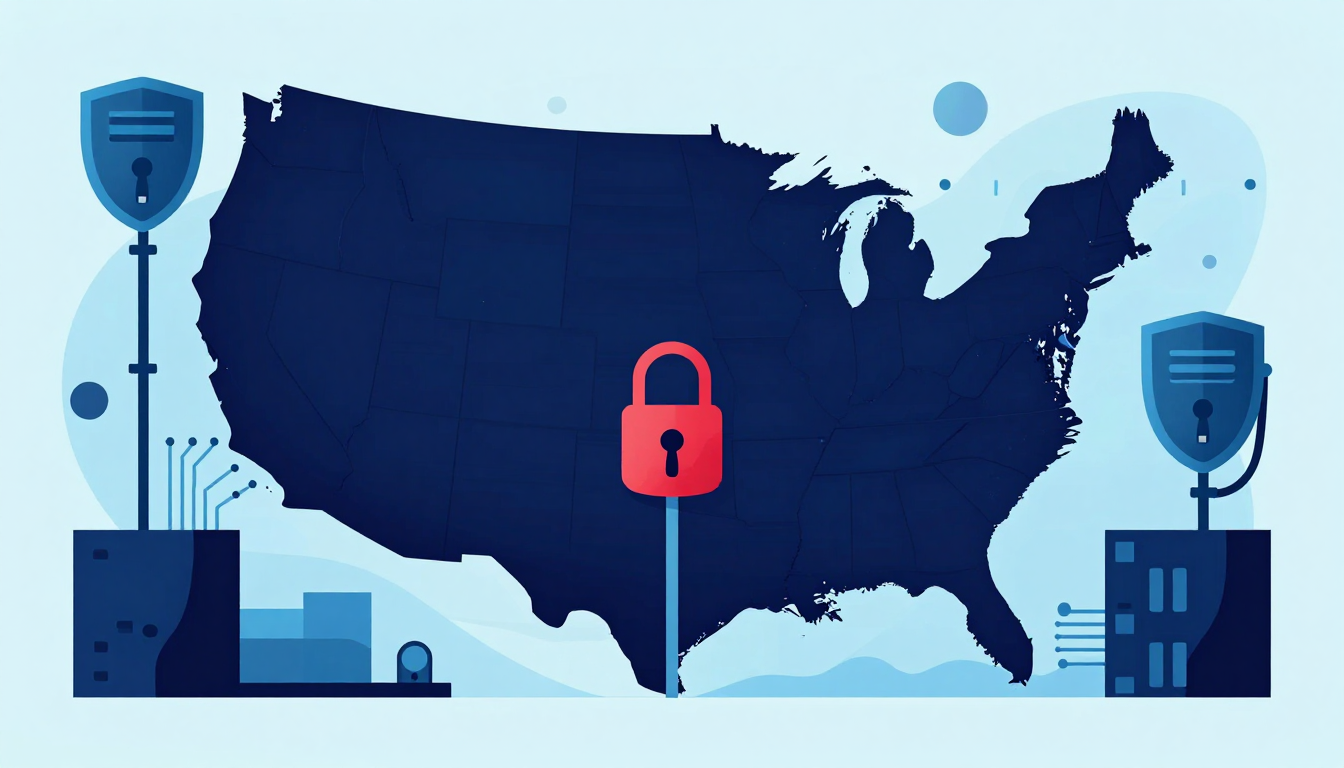
Exposed ATG Cyberattacks Endanger US Fuel Infrastructure
Cyberattackers are targeting internet-exposed automatic tank gauge (ATG) systems across the United States. Federal agencies warn of immediate physical and operational risks.