
PublishLens Article Library
Explore source-grounded articles across engineering, applied AI, science, business, and policy, with practical context and clear topic desks for every reader.

Max Severity Ivanti Sentry Vulnerability Now Exploited in Attacks
Attackers are now targeting CVE-2026-10520, a recently patched maximum-severity flaw in Ivanti Sentry that allows remote code execution with root privileges on Internet-exposed secure mobile gateways.

The Hunt for Protections Against the Next Generation of Adaptive AI Worm Malware
As cybersecurity experts brace for the emergence of adaptive agentic AI worm malware, industry leaders are racing to develop defenses capable of detecting and mitigating these intelligent threats before they can cause widespread damage on the scale of NotPetya or Stuxnet.
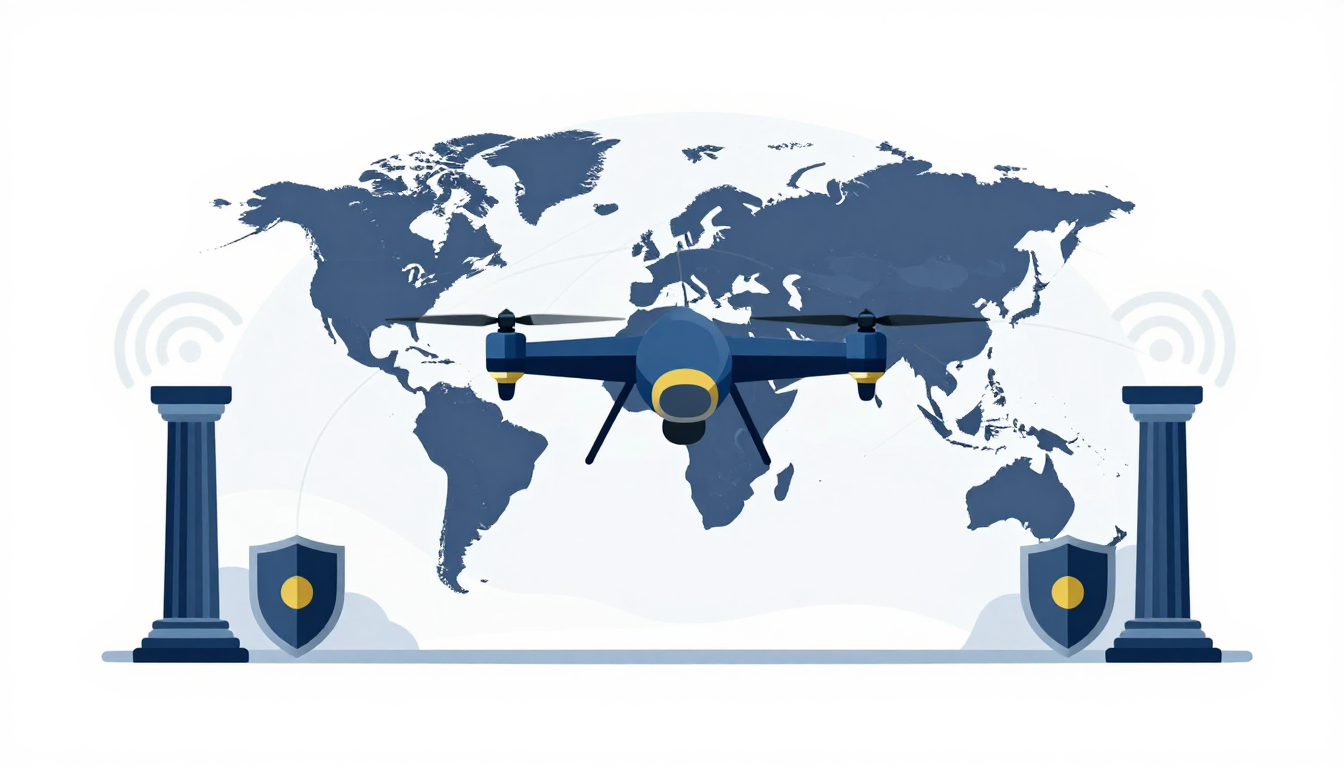
Ukraine's one-time test used fully autonomous drones to kill Russian soldiers
A Ukrainian drone maker revealed that fully autonomous drones killed Russian soldiers during a battlefield test two years ago—a milestone in military AI with significant implications for international humanitarian law and the future of autonomous warfare.
Fears of Artificial Intelligence: Why Humans Worry About the Unknown
Exploring the psychological roots of AI anxiety, from existential dread to immediate concerns about job displacement and loss of control.

Donald Trump G7 Summit: Iran Deal Promotions and Shifting Focus to Ukraine
Analysis of Donald Trump's G7 summit appearance highlighting his Iran deal achievements and potential pivot toward Ukraine policy, as discussed in WSJ coverage.

From Only Fans to AI Companions: Technology's Challenge to Trust and Commitment
Digital infidelity and micro-cheating are forcing couples to renegotiate the rules of intimacy in the age of technology and AI companionship.
Mechanisms and Mitigations of Social Media's Socially Isolating Effects
Exploring how social media's architecture of curated content and algorithmic engagement contributes to real-world isolation—and strategies for reclaiming authentic human connection through intentional digital use.
How AI Is Accelerating Scientific Progress: A New Era of Discovery
As AI is further refined, many more scientists will routinely utilize cutting-edge AI technology to inform and accelerate their research progress. This article explores the transformative impact of artificial intelligence on scientific discovery across disciplines, including drug discovery, astronomy, climate science, materials science, and neuroscience. Ethical considerations and the future of scientific integrity are also discussed.

AI Accelerates Vulnerability Discovery: Record 206 CVEs on Patch Tuesday Signal New Normal
Artificial intelligence is transforming the cybersecurity landscape by dramatically accelerating the speed and scale of vulnerability discovery, as evidenced by Microsoft's June 2026 Patch Tuesday which addressed a record-breaking 206 vulnerabilities. This unprecedented volume signals that voluminous patch updates could soon become the norm.
C0XMO Botnet Spreads via DD-WRT Router Flaw, Kills Rival Malware
A new variant of the Gafgyt botnet called C0XMO targets DD-WRT router firmware and can move to other device types with various CPU architectures. Fortinet researchers discovered the botnet's modular design and sophisticated capabilities including 19 DDoS methods, lateral movement via brute-force attacks, and anti-competitor mechanisms that kill rival malware.

More People Are Turning to AI as a Therapist. This Is Changing the Notion of Therapy Itself.
As AI mental health tools surge in popularity, a new term—'para-therapy'—emerges to describe the growing gap between genuine therapeutic relationships and AI-generated emotional support.

Google DeepMind releases DiffusionGemma, a model that runs local AI 4x faster
DiffusionGemma represents a paradigm shift in text generation, using diffusion techniques to achieve 4x speed improvements over autoregressive Gemma models while maintaining quality.