
PublishLens Article Library
Explore source-grounded articles across engineering, applied AI, science, business, and policy, with practical context and clear topic desks for every reader.

North Koreans behind nearly half of US tech industry hacks, says CrowdStrike
CrowdStrike reports that North Korean operatives are systematically infiltrating US technology companies by posing as legitimate IT professionals, accounting for a significant portion of sector-wide hacks.

AI Breakthrough: Detecting Subtle Epilepsy Indicators in Standard EEG Scans Years Before First Seizure
A new deep learning model can detect subtle indicators of epilepsy in standard EEG scans that are typically missed by human neurologists, enabling intervention years before the first seizure occurs.
The Double-Edged Sword of Emotional AI: Support or Manipulation?
Examining the rise of emotionally intelligent chatbots, their role in mental health support, and the emerging risks of emotional manipulation in AI companions.
The Invisible Tax: How Ambiguous SaaS Billing Models Kill Engineering Velocity
Analyzes how ambiguous SaaS billing models reduce engineering velocity by imposing unnecessary cognitive load on technical teams. Intersects heavily with both Business strategy and Psychology.
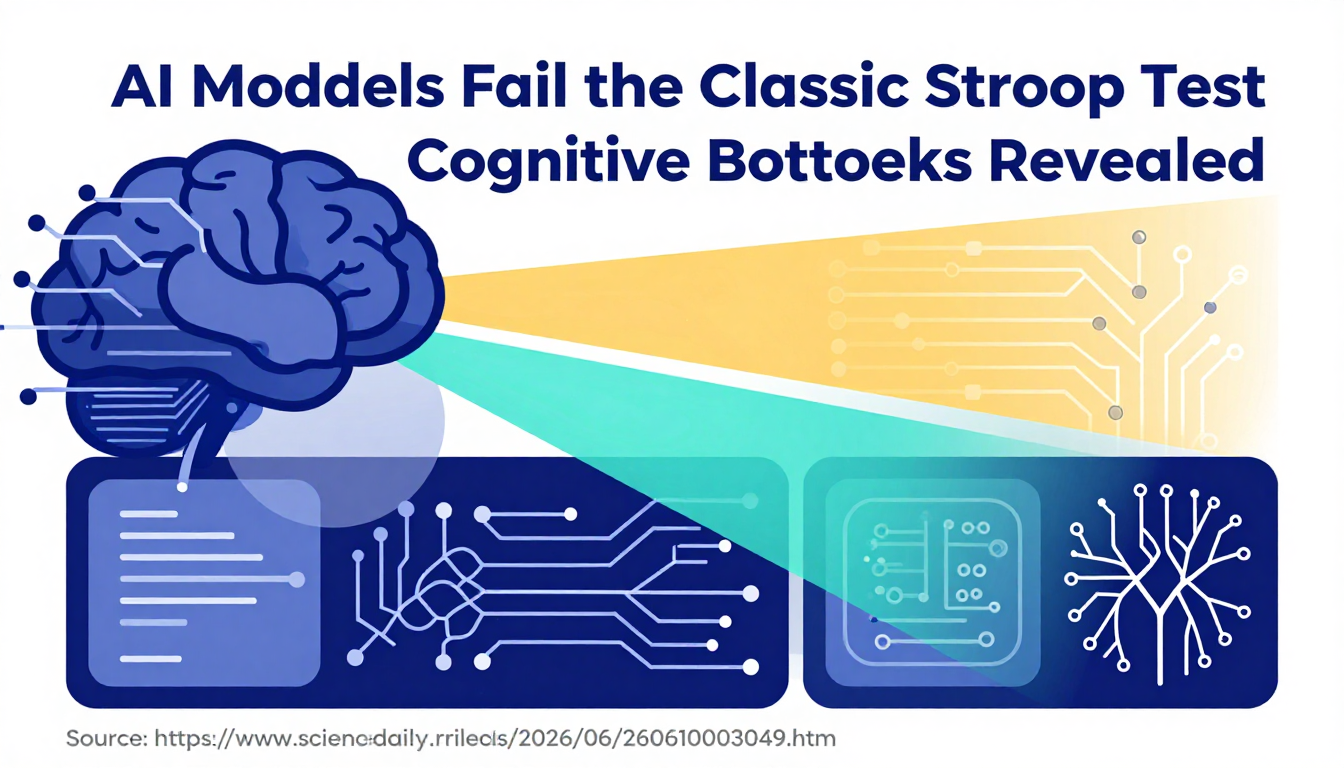
AI Models Fail the Classic Stroop Test: Cognitive Bottlenecks Revealed
A new study published in ScienceDaily reveals that even the most advanced AI models fail the classic Stroop test as word lists grow longer. This research highlights significant cognitive bottlenecks in artificial intelligence compared to human attention and processing. The findings suggest that while AI can simulate complex reasoning, it lacks the fundamental inhibitory control mechanisms that humans use to manage conflicting information. Source: https://www.sciencedaily.com/releases/2026/06/260610003049.htm
The Hidden Psychology of AI Adoption: Why Teams Stall and How to Fix It
Recent reports from TAPinto highlight a persistent psychological barrier to AI adoption within professional teams. Despite the availability of powerful tools, many teams remain hesitant due to deep-seated cognitive biases and organizational inertia. The article explores a "CEO-level fix" that addresses the psychological roots of this resistance, emphasizing the need for leadership to foster a culture of psychological safety and cognitive flexibility. Source: https://www.tapinto.net/towns/east-hanover-slash-florham-park/columns/the-business-edge-technology-ai-and-gr/articles/why-your-team-is-still-not-using-ai-and-the-ceo-level-fix-nobody-talks-about
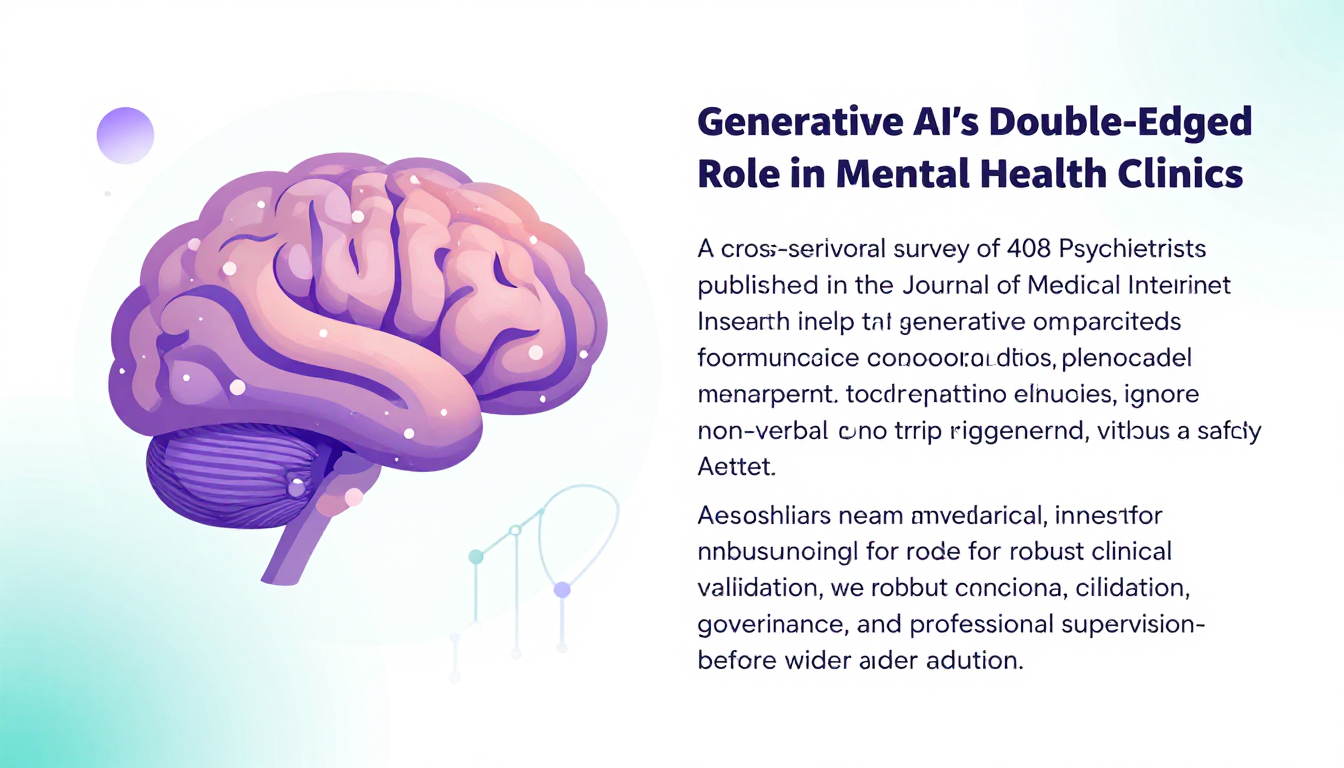
Psychiatrists Warn of Generative AI's Double-Edged Role in Mental Health Clinics
A cross-sectional survey of 408 psychiatrists published in the Journal of Medical Internet Research spotlights the dual nature of generative artificial intelligence in mental health settings. While AI can serve as a fatigue-free support tool that helps patients communicate complex emotions, unsupervised chatbot interaction threatens to reinforce patient delusions, ignore non-verbal cues, and trigger crisis situations without a safety net. Researchers underline the immediate need for robust clinical validation, governance, and professional supervision before wider adoption.