
Blog
Insights, guides, and updates from the ProBackend team.
The Money Story You Didn't Know You Had: How Childhood Shapes Financial Behavior
Unconscious beliefs about money form before age 7, long before we earn our first paycheck. Research reveals how parental silence and early family experiences create 'money scripts' that steer adult financial decisions—from whether we open bills to how we handle debt.

When Words Fail, Scent Speaks: A Leader's Path Back to Feeling
A coaching technique that bypasses the overwhelmed mind by asking a leader what numbness smells like — leveraging olfactory neuroscience to reach emotion before language arrives.

Nvidia and Abridge Collaborate to Build Specialized Clinical Conversation AI Models
Nvidia partners with Abridge to leverage generative AI in creating a model specifically tailored for healthcare clinical conversations.

F5’s Emergency Patch for NGINX HTTP/3 Flaws Isn’t Just a Patch — It’s a Warning
Analysis of the out-of-band security patches released by F5 to address two critical vulnerabilities (CVE-2024-24989 and CVE-2024-24990) in NGINX's HTTP/3 implementation, including affected versions, exploitation risks, and mitigation strategies.
Estrogen Loss Collapses the Brain’s Structural Scaffold, Explaining Women’s Alzheimer’s Vulnerability
New research reveals that post-menopausal estrogen decline triggers a selective degradation of the extracellular matrix in the female hippocampus, dismantling the critical support network for memory cells — a mechanism absent in men.
Why Leaving Feels Impossible — Even When You’re Already Gone
Emotional disengagement, sunk cost bias, attachment systems, and loss aversion explain why people linger in relationships and roles long after they’ve stopped serving them. Delayed endings aren’t failures—they’re signals that the inner story hasn’t yet caught up to reality.
The Limits of Digital Empathy: Why True Therapeutic Healing Demands Human Presence
An analysis of the growing push toward AI mental health chatbots, highlighting why automated psychoeducation fails to replicate the physical, relational co-regulation and safety required to heal complex trauma.

Is CAPTRUST Right for You? The Real Deal on America’s Largest RIA
A candid, firsthand look at CAPTRUST’s services, fee structures, and hidden conflicts—based on client disclosures, internal documents, and real advisor behavior.
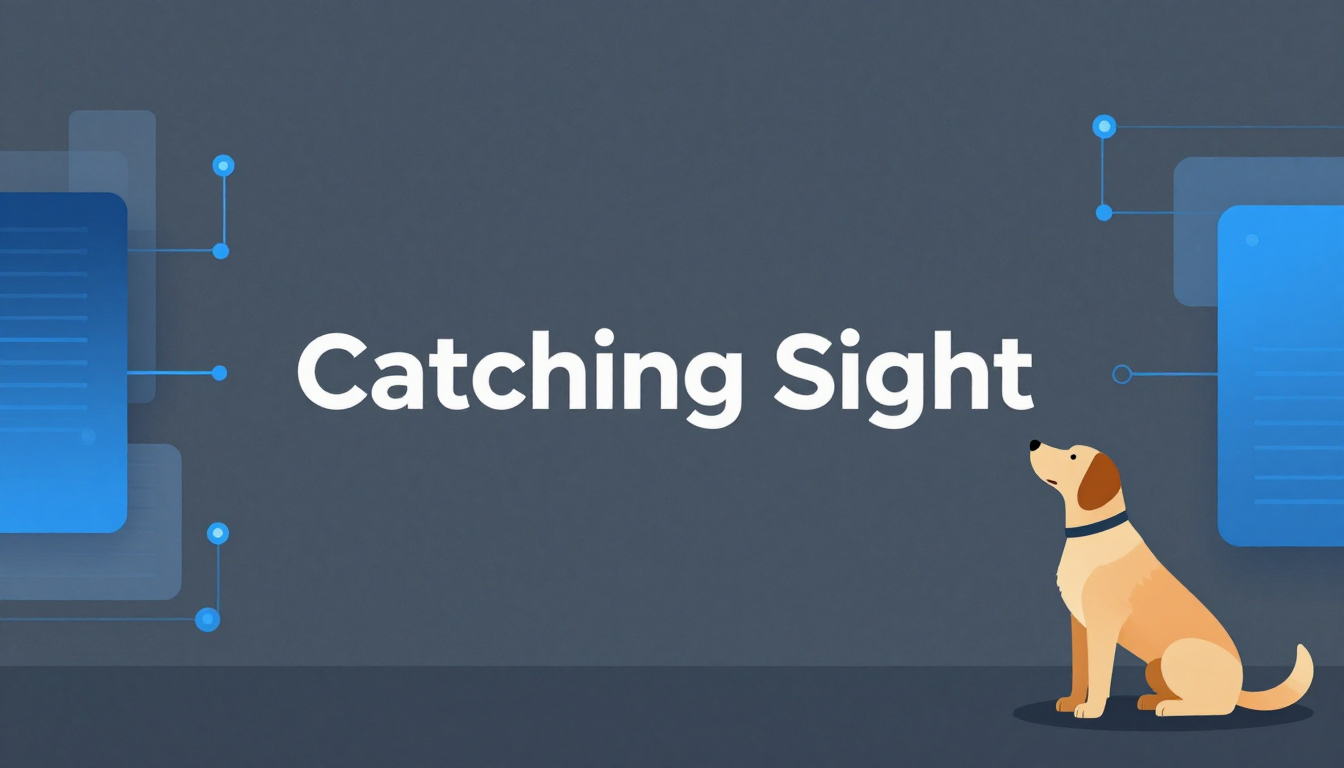
Catching Sight: Letting Guide Dogs Lead the Way as Teammates
Deni Elliott’s *Catching Sight* explores how guide dogs share their canine-based perceptions and why humans must respond with trust, affirmation, and ethical collaboration.

How $320 Million in Gameplay Data Is Teaching AI to Be Embodied
General Intuition’s $320M round isn’t about robotics—it’s about using millions of hours of human gameplay, with precise button-press data, to teach AI what it means to be embodied in the world.
The AI Assistant War Isn’t About Who Wins—It’s About Who Lets You Win
More than three and a half years after ChatGPT’s initial release, AI assistants are now used by millions of people worldwide, and the competitive landscape is changing fast. While OpenAI’s chatbot is still dominant, its market share has slipped below 50% for the first time, signaling a new era of fragmentation and competition from Anthropic, Google, Meta, and emerging players.

The Man Who Learned to See Light: Dan Roelker’s Quiet War for the Sky
How Dan Roelker, from hacker to SpaceX software lead, built a company that sees space not through radar—but through light, transforming how we track satellites, communicate across the solar system, and finally understand the chaos we’ve created in orbit.