
Blog
Insights, guides, and updates from the ProBackend team.

How Kalanick's AI Consumer Hardware Startup Atoms Is Rebuilding the Uber Band
Former Uber executive Gautam Gupta joins Travis Kalanick's robotics and industrial AI startup Atoms as CFO, continuing Kalanick's pattern of reuniting Uber team members at the company. Atoms recently raised $1.7 billion and acquired mining autonomy startup Pronto led by Anthony Levandowski.

Russian Espionage Group Laundry Bear Exploits Exchange OWA Zero-Day for Persistent Mailbox Access
Analysis of how Russian state-sponsored group Laundry Bear (Void Blizzard) is using CVE-2026-42897, an Exchange Outlook Web Access XSS vulnerability, to deploy the sophisticated OWAReaper backdoor with advanced persistence mechanisms.

How Midlife Vascular Health Buys You 13 Dementia-Free Years — And Why Cognitive Offloading Memory Matters
Research from NYU Langone Health published in Neurology shows that maintaining healthy blood pressure, avoiding diabetes, and not smoking between ages 48 and 68 is associated with nearly 13 additional years of dementia-free life. The study analyzed 12,409 participants over 26 years and highlights the intersection of vascular health, cognitive offloading memory, and cognitive resilience in aging.

TechCrunch Disrupt 2026: Big Stage, Bigger Questions
TechCrunch Disrupt 2026's main stage features executives from Amazon, Replit, and Tether, alongside sessions on AI surveillance, security gaps, and infrastructure scaling. The event runs October 13–15 in San Francisco.

The Forgotten Evolution: Why Mental Health Requires Seeing Ourselves as Part of Living Intelligence
An exploration of the mental health crisis through an evolutionary lens, examining how disconnecting from our biological and ecological roots undermines well-being. The article synthesizes insights from neuroscience, psychology, and evolutionary biology to argue that mental health is a biological necessity, not a luxury.

Unlimited Technology Systems Data Breach: 3.8 Million Patients' Personal and Medical Records Exposed
Healthcare software company Unlimited Technology Systems reported a data breach in October 2025 that exposed personal information of over 3.8 million patients. The incident involved unauthorized access to financial and medical records, including Social Security numbers, driver's license scans, insurance cards, and diagnosis information. Affected individuals were notified starting July 1, 2026, and offered identity monitoring services through Kroll.
Malachyte Raises $10M Seed to Bring Spotify's AI Recommendation Tech to E-commerce
Three ex-Spotify engineers built a two-headed Vector AI platform that predicts shopper intent in real time — no cookies, no logins required. Now they've raised $10M to bring it to every e-commerce brand.

Critical Metabase SQL Injection Exposed in Zero-Day Cybersecurity Data Breaches
A critical zero-day SQL injection vulnerability (CVSS 10.0) in Metabase was actively exploited, allowing attackers to compromise customer instances and steal sensitive data. The flaw affected versions 0.58-0.63 and has been patched with specific safe releases. Major affected organizations include Framework, Tally, and LexisNexis.

TechCrunch Disrupt 2026: Building Enduring Companies in the AI Era
Comprehensive guide to TechCrunch Disrupt 2026, exploring how founders can build lasting companies in the age of artificial intelligence. Covers event programming, speaker lineup, Startup Battlefield, and strategies for maximizing value from the startup ecosystem's largest gathering.
Last Call: Cybersecurity Conferences 2026 Savings — TechCrunch Disrupt Flash Sale Ends Tonight
TechCrunch offers an additional $100 off Founder, Investor, and Attendee passes for TechCrunch Disrupt 2026 through tonight at 11:59 p.m. PT, stacking on existing $300 discounts for total savings of $400. Event runs October 13–15 at Moscone West, San Francisco.
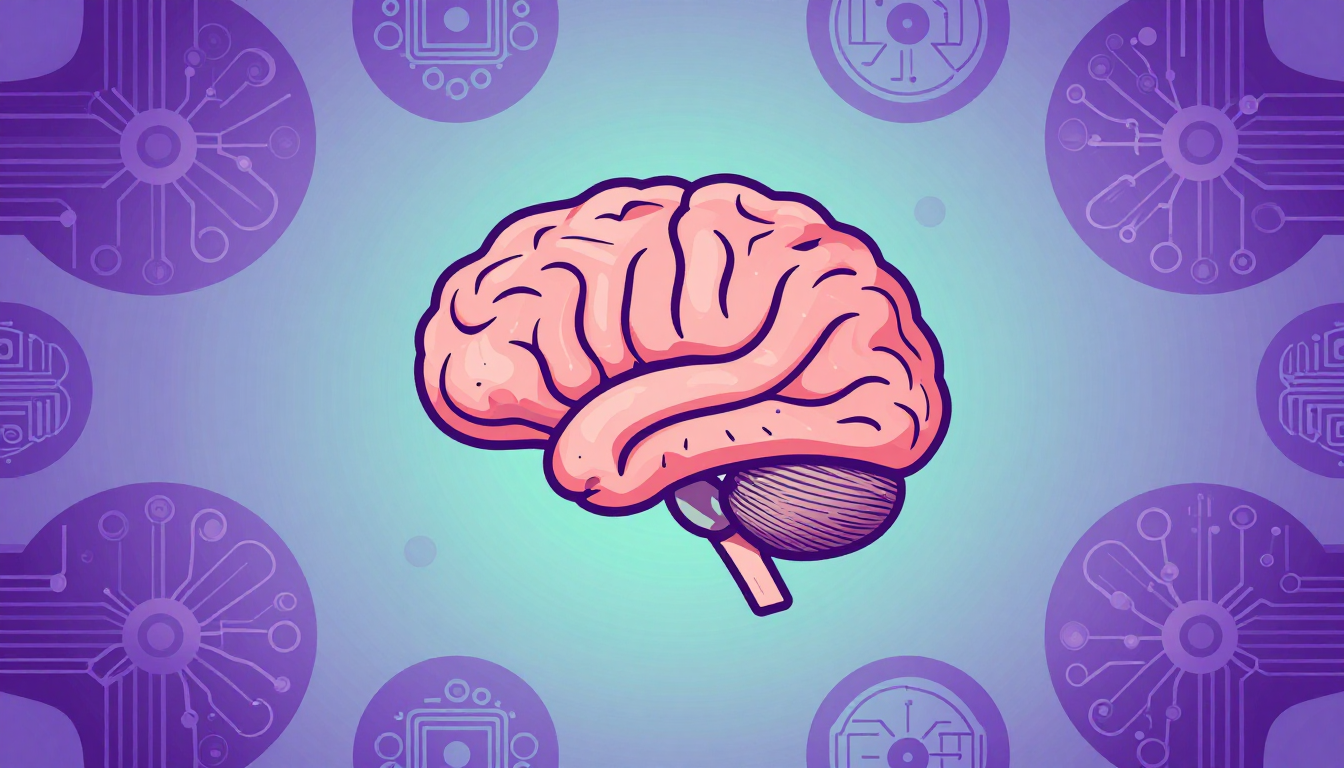
The Brain's Nighttime Memory Factory
First direct human evidence shows memory consolidation during sleep depends on precise coordination between the orbitofrontal cortex, thalamus, and hippocampus—and epileptic spikes disrupt this process.

Ransom Cartel Creator Sentenced to 16 Years in Major Cloud Security Incident
U.S. Department of Justice sentenced Belarusian cybercriminal Maksim Silnikau to 16 years in prison for orchestrating Ransom Cartel ransomware operation that attacked at least 18 companies worldwide between 2021-2023, attempting to extort over $5.2 million in ransoms.