
Cognitive Tech
Research at the intersection of AI, cognitive science, and human attention.
When AI Pays Attention, It's Not Thinking—It's Calculating
Why AI attention is calculation, not consciousness.
The Penguin Paradox: How Mistakes Shape Language Itself
A Wits University study shows that children's systematic errors and AI's layered architectures share a hidden mechanism: language evolves to become learnable, generation after generation.
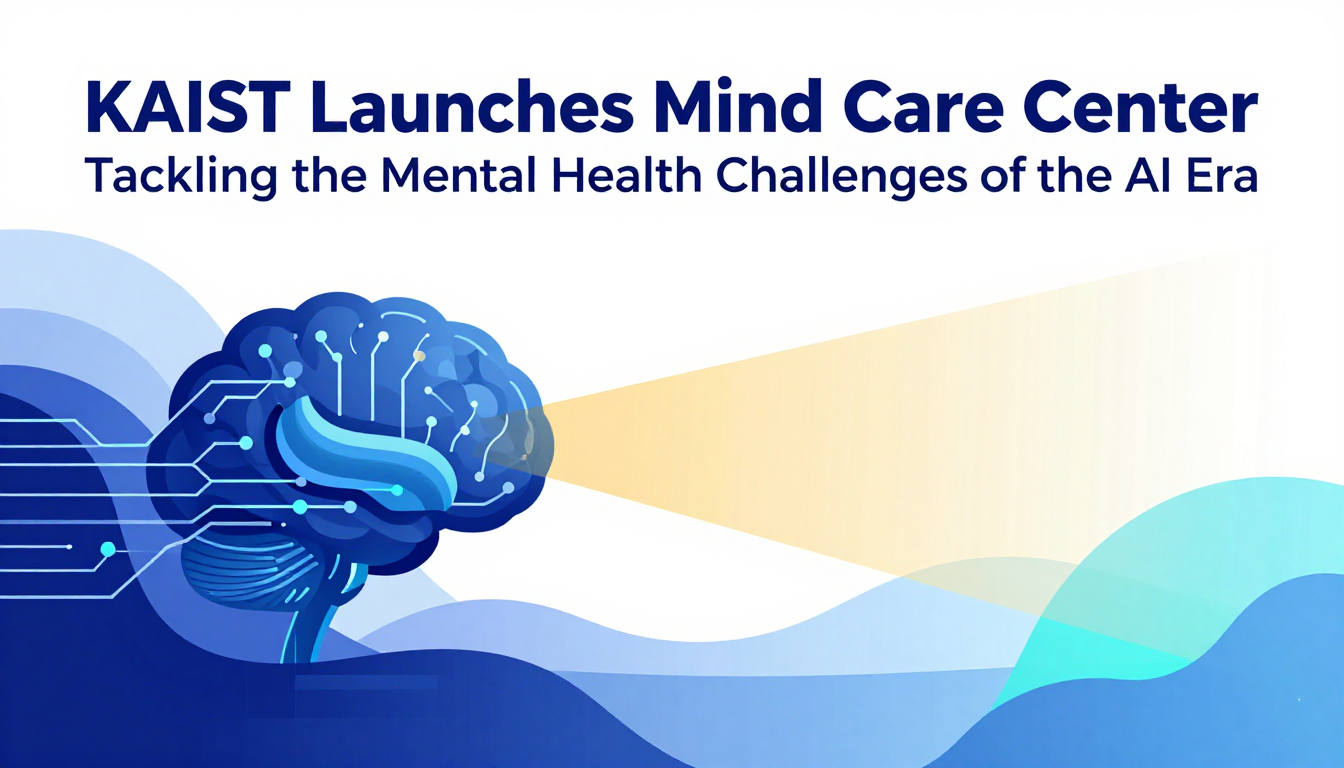
KAIST Launches Mind Care & Growth Center: A Multidisciplinary Approach to AI-Induced Mental Health Challenges
KAIST's Mind Care & Growth Center integrates clinical services with AI research to address algorithmic anxiety, AI dependency, and digital wellness through evidence-based interventions and global collaboration.

Beyond Self-Reporting: A New Saliva-Based Standard for Detecting Fatigue
Research from the University of Zurich has identified ten specific saliva biomarkers that change predictably with acute sleep deprivation, potentially enabling the development of objective, roadside-ready fatigue testing tools.
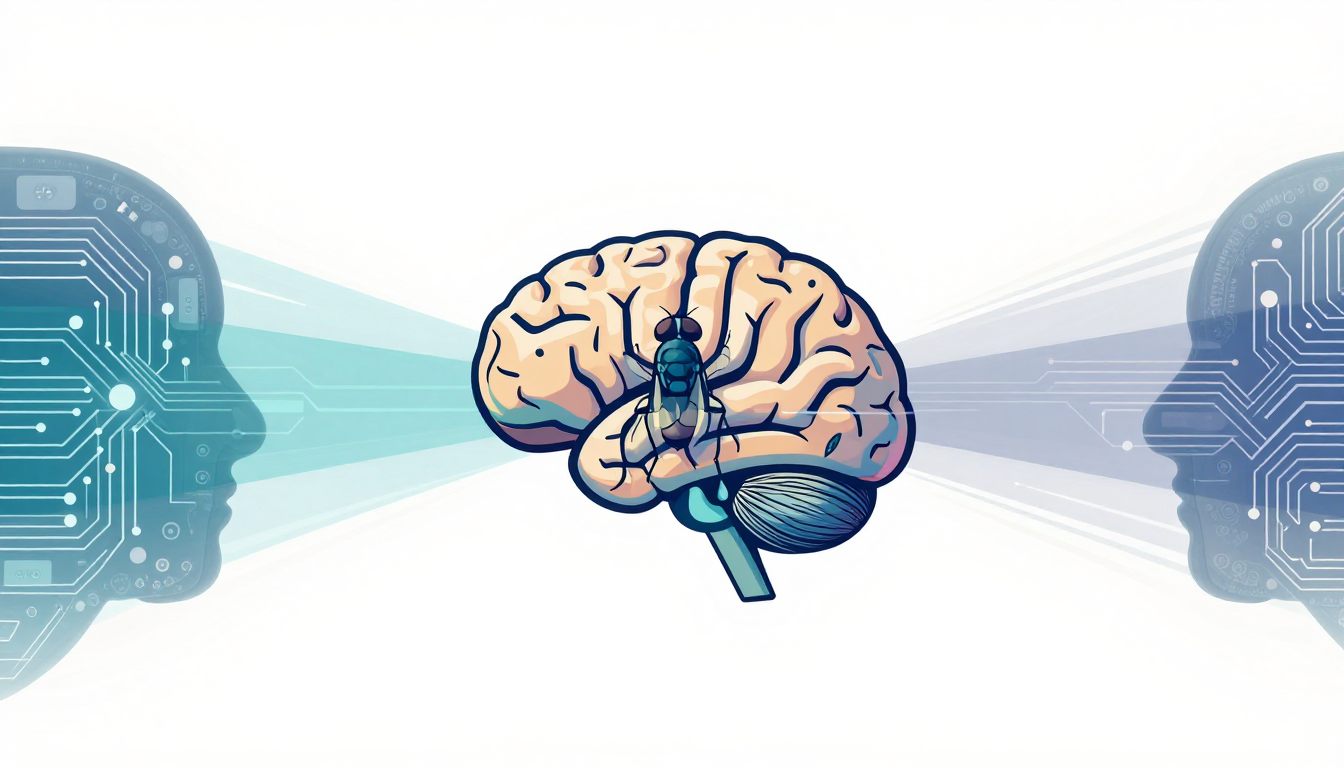
Deconstruction of the Fly: New Connectome Challenges Centralized Brain Command
Researchers mapped the complete central nervous system of an adult fruit fly, uncovering a distributed motor control system that operates locally rather than through a centralized brain hub. This article explores the connectome's implications for distributed control and AI architecture.
Saliva Biomarkers Detect Human Sleep Deprivation: First Direct Objective Test for Fatigue
A University of Zurich study isolates ten salivary biomarkers that objectively measure sleep deprivation, enabling non-invasive roadside fatigue detection through mass spectrometry and machine learning. Learn more about how sleep deprivation affects memory and biometric AI breakthroughs.
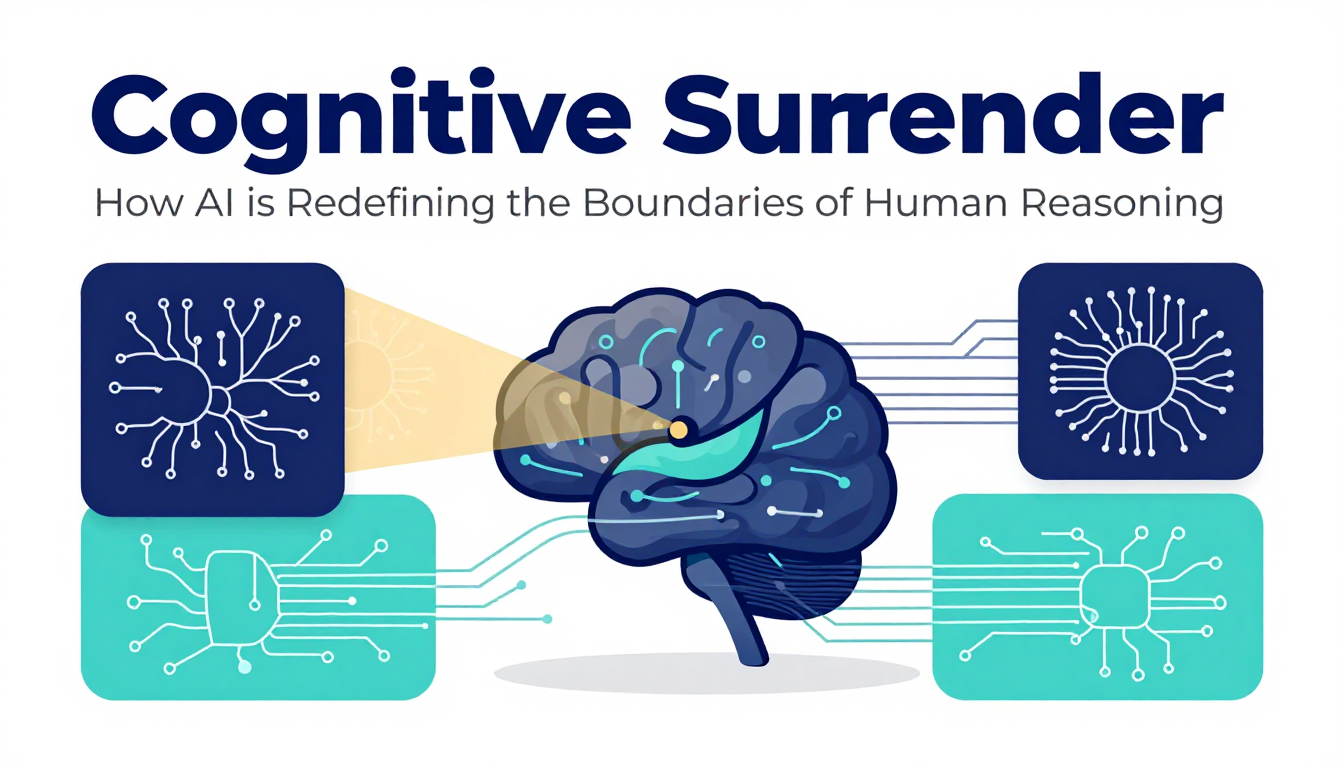
Cognitive Surrender: How AI is Redefining the Boundaries of Human Reasoning
Recent research from Wharton introduces the 'Tri-System Theory' of cognition, warning of a 'System 3' that leads users to abandon logical scrutiny in favor of AI-generated fluency. The study identifies 'Cognitive Surrender'—a phenomenon where users uncritically accept AI outputs—even when they contradict logic or data.
Brit workers waste nearly six hours a week 'botsitting'
New report: UK workers spend nearly 6 hours a week 'botsitting'—fixing AI mistakes and managing context. Learn why AI isn't saving time yet.
How to build kids' cognitive endurance in an age of distraction
Cognitive endurance is becoming a critical skill for children in the digital age. We explore how parents and educators can help build mental stamina against the tide of constant distraction.
The Syntax of Surprise: How Confusing Code Triggers 'Linguistic Correction' Brain Waves
New neuro-software engineering research reveals that programmers process confusing code like linguistic errors, triggering a specific 'late frontal positivity' wave.
EEF Launches £2.5 Million Investigation into Generative AI's Impact on Student Cognition
The Education Endowment Foundation (EEF) has opened a £2.5 million research call to examine how generative AI use affects cognition and learning among 13- to 15-year-olds.
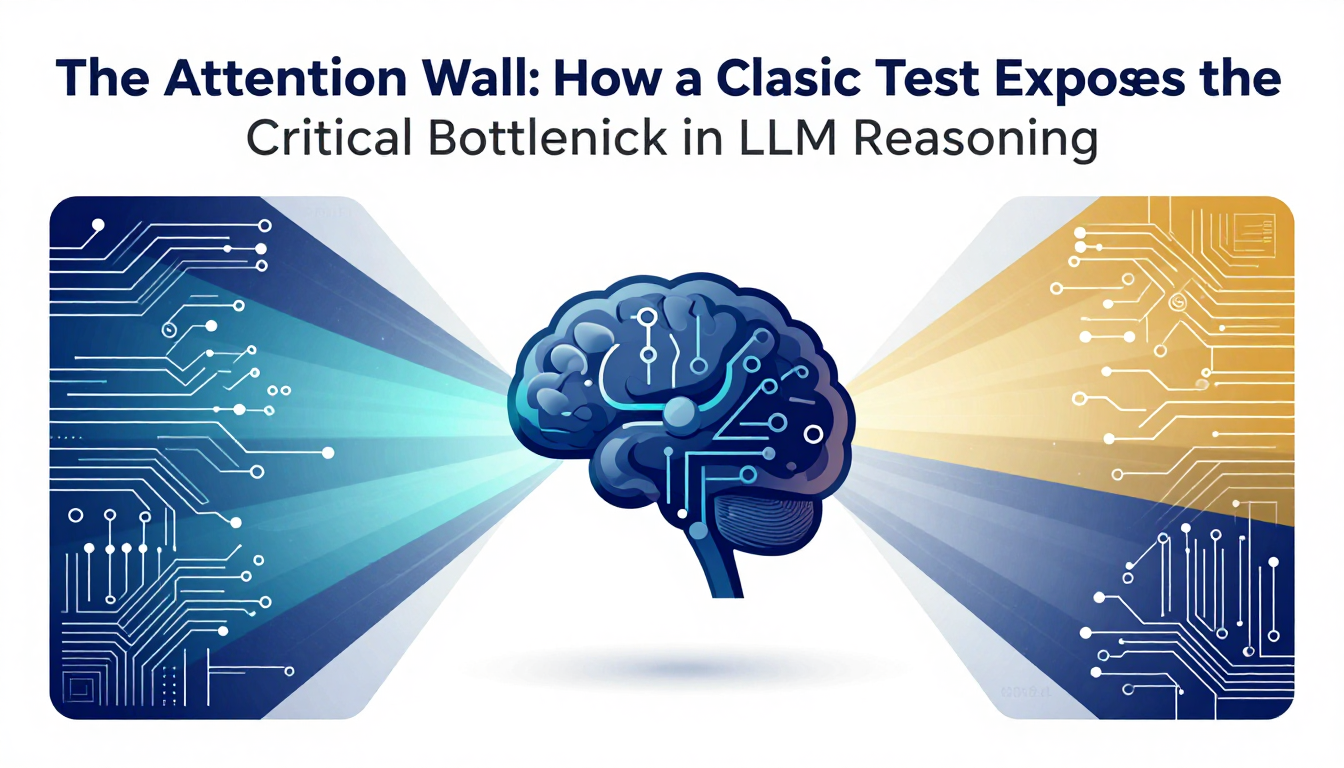
The Attention Wall: How a Classic Brain Test Exposes the Critical Bottleneck in LLM Reasoning
New research using the psychological Stroop task reveals catastrophic performance collapse in large language models as task complexity increases, uncovering a fundamental flaw in synthetic attention.