
Neuroscience
The brain, neural systems and cognitive neuroscience.
Hetairos AI: 12-Minute Brain Tumor Molecular Classification from Histology Slides
A comprehensive look at Hetairos, an AI system that predicts 102 brain tumor molecular subtypes in just 12 minutes using routine histological sections, revolutionizing neuro-oncology diagnostics and making advanced classification accessible worldwide.
Proactive Brain Training Strengthens Mental Wellness Before Challenges Arise
A six-month daily brain-training intervention improved mental health metrics across participants, suggesting preventive cognitive training may help people build resilience before stress or illness emerges.
GLP-1 Drugs Reduce Depression, Boost Stress-Calming Gut Bacteria: A Novel Gut-Brain Axis Mechanism
A groundbreaking study reveals that the GLP-1 agonist liraglutide alleviates depressive symptoms through an alternative gut-brain axis pathway involving Lactobacillus delbrueckii and endocannabinoid modulation—challenging the long-held brain-centric model of depression treatment.
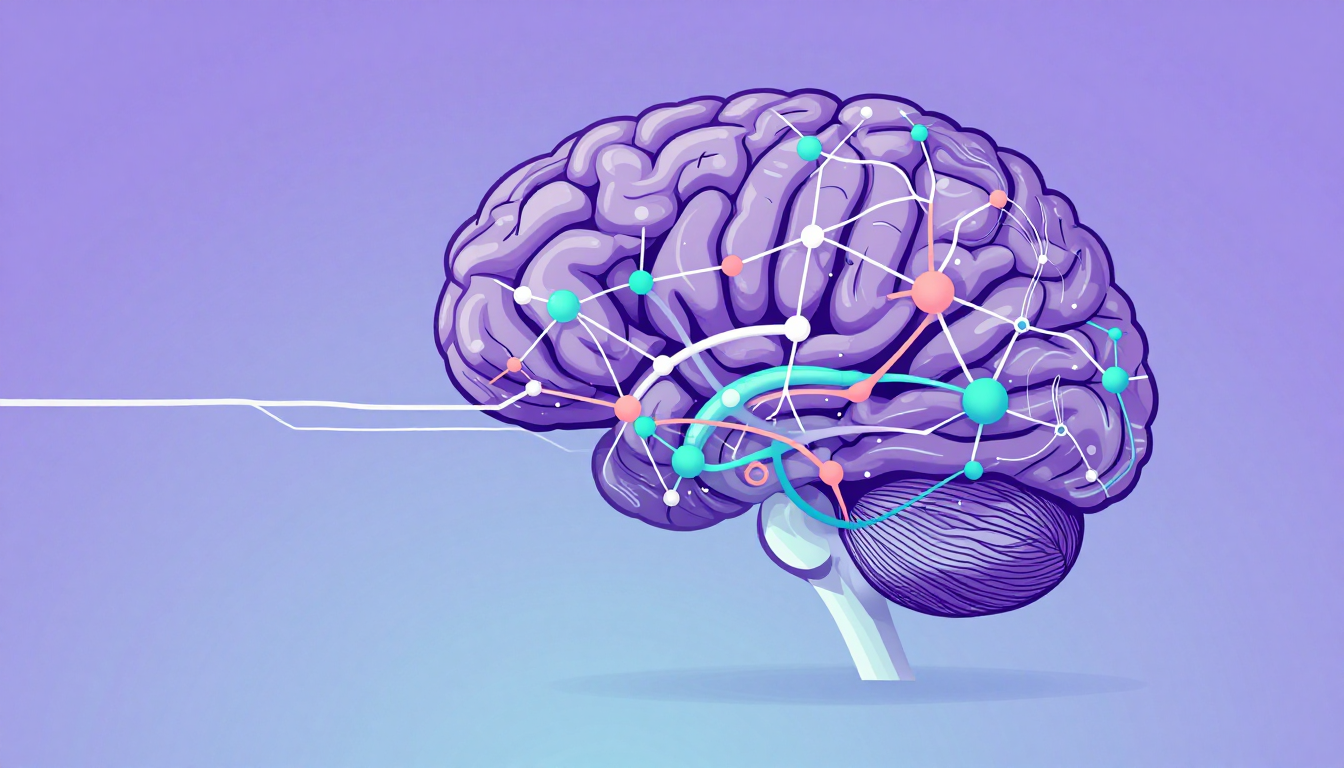
First Full Connectome of Fruit Fly Brain Mapped — A Landmark Achievement in Neuroscience
Researchers have completed the first full connectome of a fruit fly (Drosophila melanogaster) brain and central nervous system, mapping every neuron and synapse. This structural blueprint reveals that motor behavior is governed by distributed local modules rather than centralized brain control.
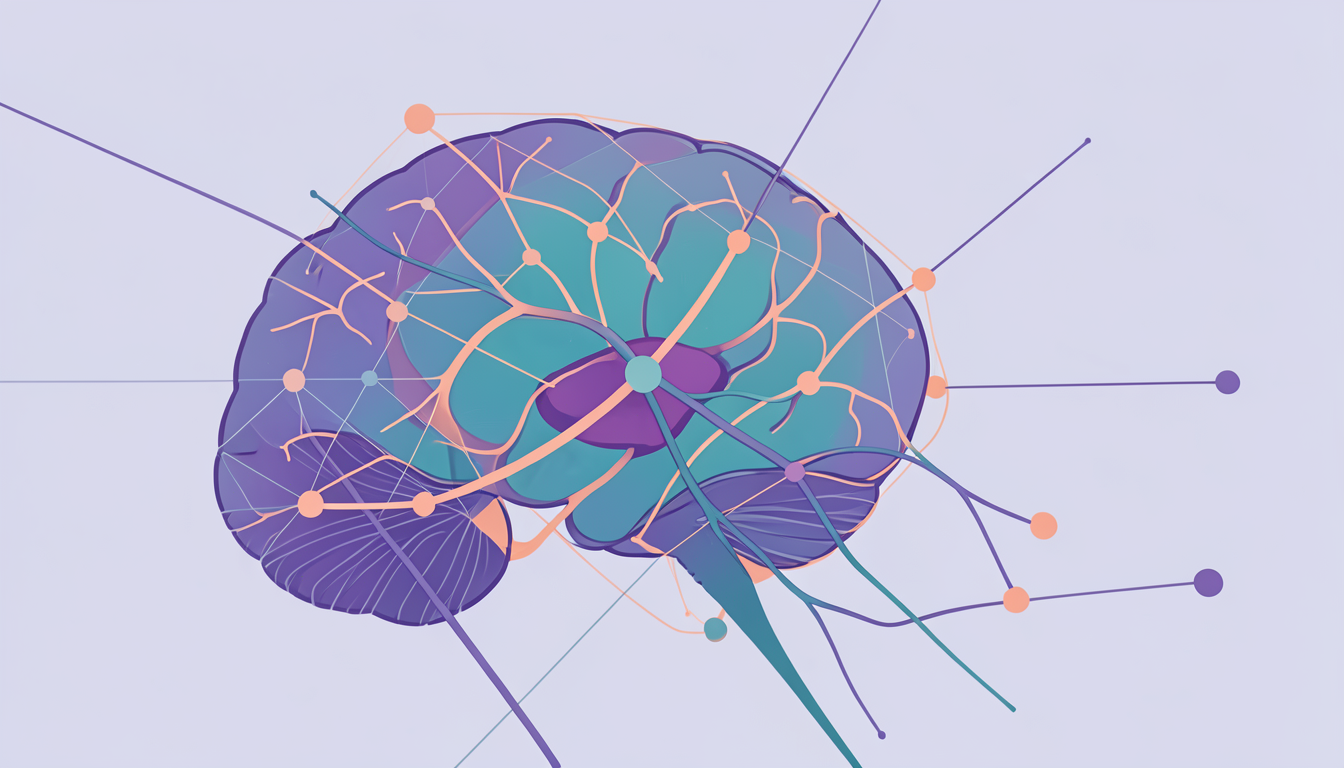
Neural Manifold Alignment: The Key to Rapid Brain-Computer Interface Learning
Yale researchers developed a brain-computer interface that aligns with the brain's natural geometric pathways, enabling users to control avatars in under an hour instead of requiring 10+ training sessions. The approach leverages T-PHATE algorithm and real-time fMRI neurofeedback to map individual neural manifolds.
Low Baseline Dopamine Drives Adolescent Substance Experimentation: Compensatory Response, Not Impulse Failure
A groundbreaking University of Pittsburgh study overturns decades of neuroscience dogma, revealing that adolescent substance use stems from a dopamine deficiency—not excess—and represents a biological attempt to compensate for under-stimulated reward systems.
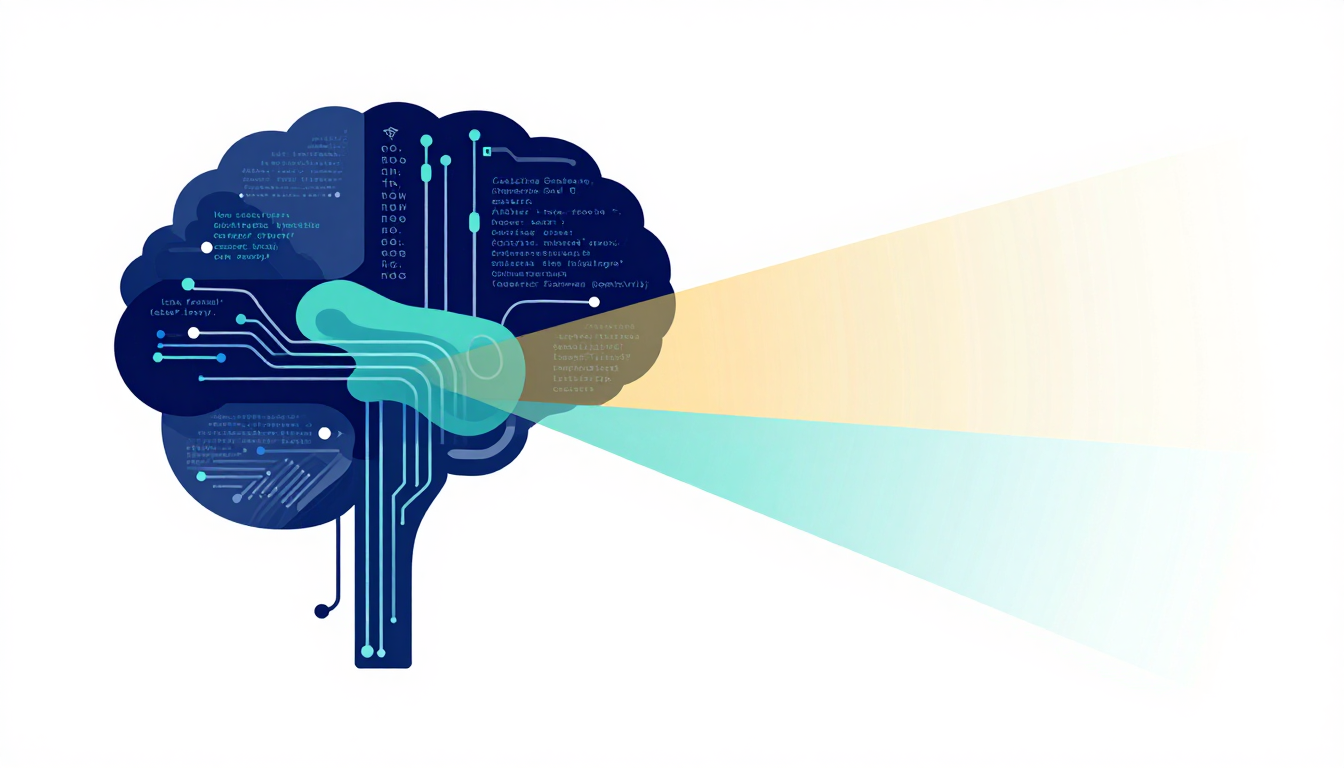
The Syntax of Surprise: How Confusing Code Triggers 'Linguistic Correction' Brain Waves
New neuro-software engineering research reveals that programmers process confusing code like linguistic errors, triggering a specific 'late frontal positivity' wave.
AI Brain Rot: A Deskilling Case Study
Case study of Mitchell Coburn's resignation over AI brain rot, exploring occupational deskilling and cognitive load. Related research on artificial sentience can be found in our deep dive on the Illusion of AI Consciousness.
AI Breakthrough: Detecting Subtle Epilepsy Indicators in Standard EEG Scans Years Before First Seizure
A new deep learning model can detect subtle indicators of epilepsy in standard EEG scans that are typically missed by human neurologists, enabling intervention years before the first seizure occurs.