
Neuroscience
The brain, neural systems and cognitive neuroscience.
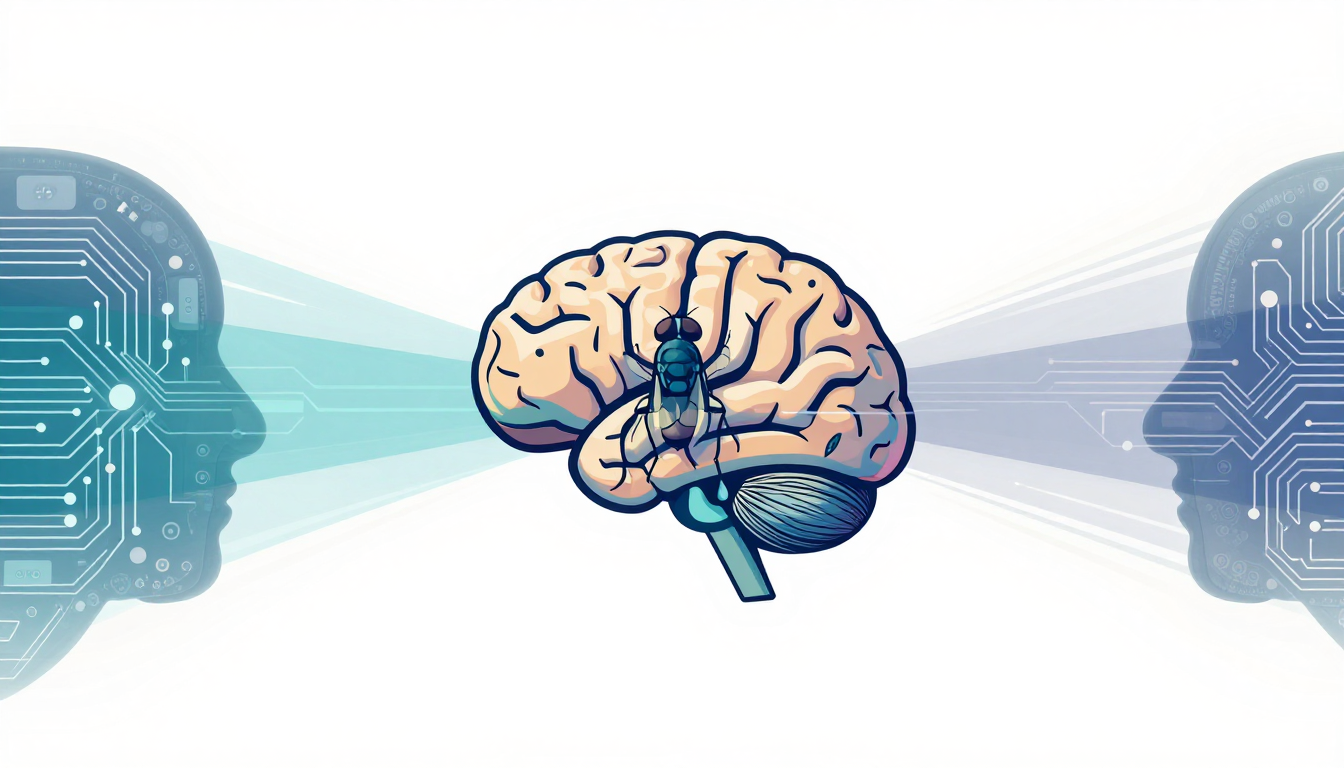
Deconstruction of the Fly: New Connectome Challenges Centralized Brain Command
Researchers mapped the complete central nervous system of an adult fruit fly, uncovering a distributed motor control system that operates locally rather than through a centralized brain hub. This article explores the connectome's implications for distributed control and AI architecture.
The Specter of 'AI Brain': Could Chronic AI Use Cause Computational Brain Injury?
Explores emerging concerns that persistent, over-reliance on generative AI could lead to a syndrome of 'computational brain injury' (AIAND). This article discusses risks of cognitive atrophy, professional deskilling, and attachment interference, providing insights on how to maintain cognitive autonomy in an AI-dominant society. Includes research on automation bias and neural structural changes.
The Sender Is Human: Why AI-Saturated Inboxes Can't Replicate Genuine Connection
In an AI-saturated inbox, your brain still knows the difference between a message that was sent to you and one that was sent — exploring the effort heuristic, neural detection of inauthenticity, and the irreplaceable role of human presence in trust-building.
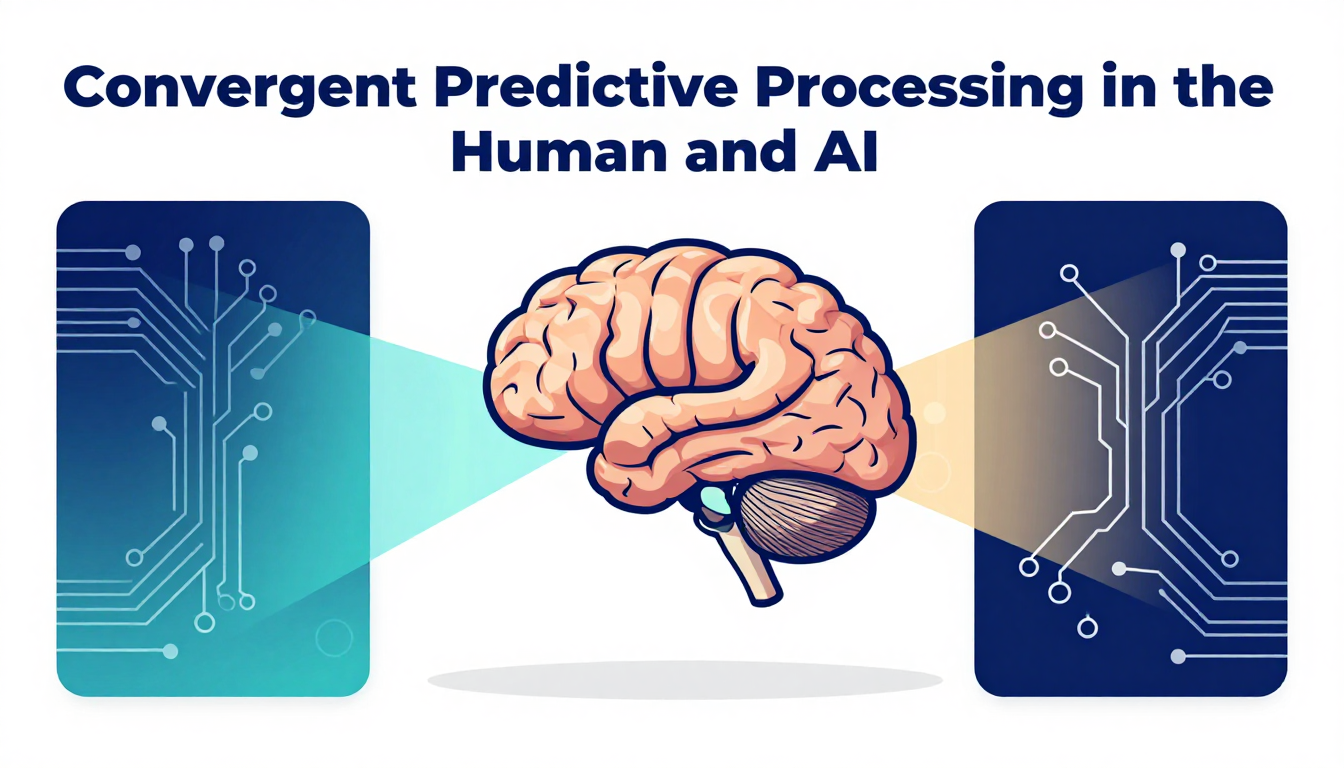
Convergent Predictive Processing in the Human Brain and AI
A review of recent neuro-imaging research demonstrating that human brains and Large Language Models mirror each other in language anticipation and parallel information processing.
Serotonin Is a Key Driver of Cognitive Flexibility by Actively Reducing Belief Stickiness
Understanding how serotonin modulates cognitive flexibility by reducing belief stickiness—the tendency to cling to outdated assumptions despite contradicting evidence—and its implications for mental health, decision-making, and AI systems.
A Critical Methodological Analysis Challenges the Scientific Foundation of Modern Consciousness Research
A research team has issued a fundamental challenge to neuroscientific methods used in consciousness studies, arguing that current approaches are built on shaky theoretical and empirical ground. The analysis examines how information processing frameworks shape our understanding of conscious experience.
Precision Neuro-Engineering: AI Platform Decodes and Objectifies Human Pain Using EEG Delta Waves
A breakthrough neural decoding system uses computational intelligence to transform subjective pain experiences into quantifiable, objectifiable data through EEG delta wave analysis and precision neuro-engineering.
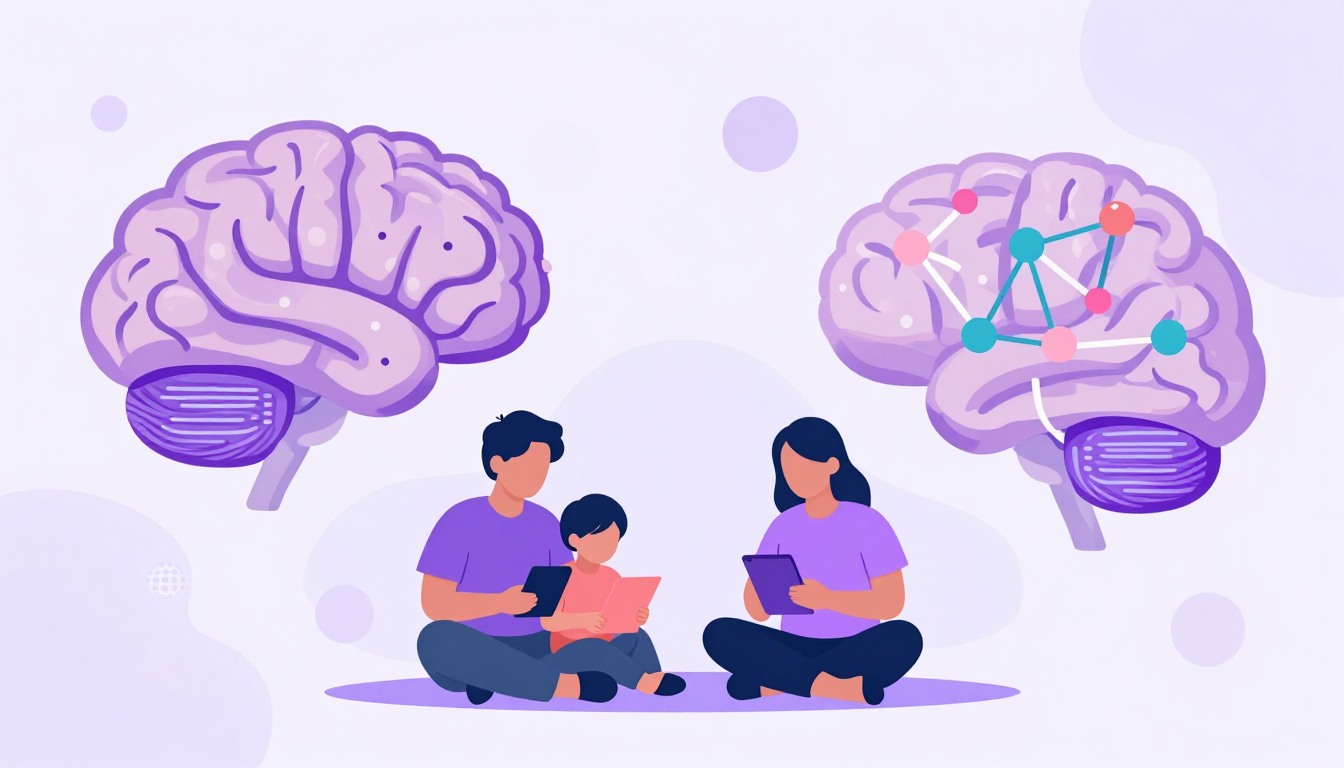
If you and your family are happily engaging one another without staring into electronic devices, your brains and socioemotional health are better for it
Exploring how family engagement without electronic devices positively shapes child development through brain synchronization, covering neural coupling mechanisms, developmental benefits, and practical strategies for device-free family engagement.

Did Iron Age Britons Remove Brains of the Dead?
Archaeologists uncovered evidence of intentional brain removal and bone modification among Iron Age Britons in northwest Scotland, suggesting ritualistic or preservation purposes.
The Illusion of AI Consciousness: How Unconscious Processing and Anthropomorphism Distort Perceptions of Machine Intelligence
Research into human unconscious processing and anthropomorphism provides a framework for understanding why complex AI systems are perceived as conscious, distinguishing behavioral mimicry from subjective awareness.
The Embodied Trauma: How Childhood Adversity Rewires Brain-Immune Communication
A new study provides the first direct evidence that childhood maltreatment remodels the real-time communication loops connecting the immune system and the brain's fear learning circuits. The findings highlight how the timing and type of adversity (abuse vs neglect) fundamentally alter neuro-immune pathways through specific cytokine-mediated mechanisms that persist into adulthood.
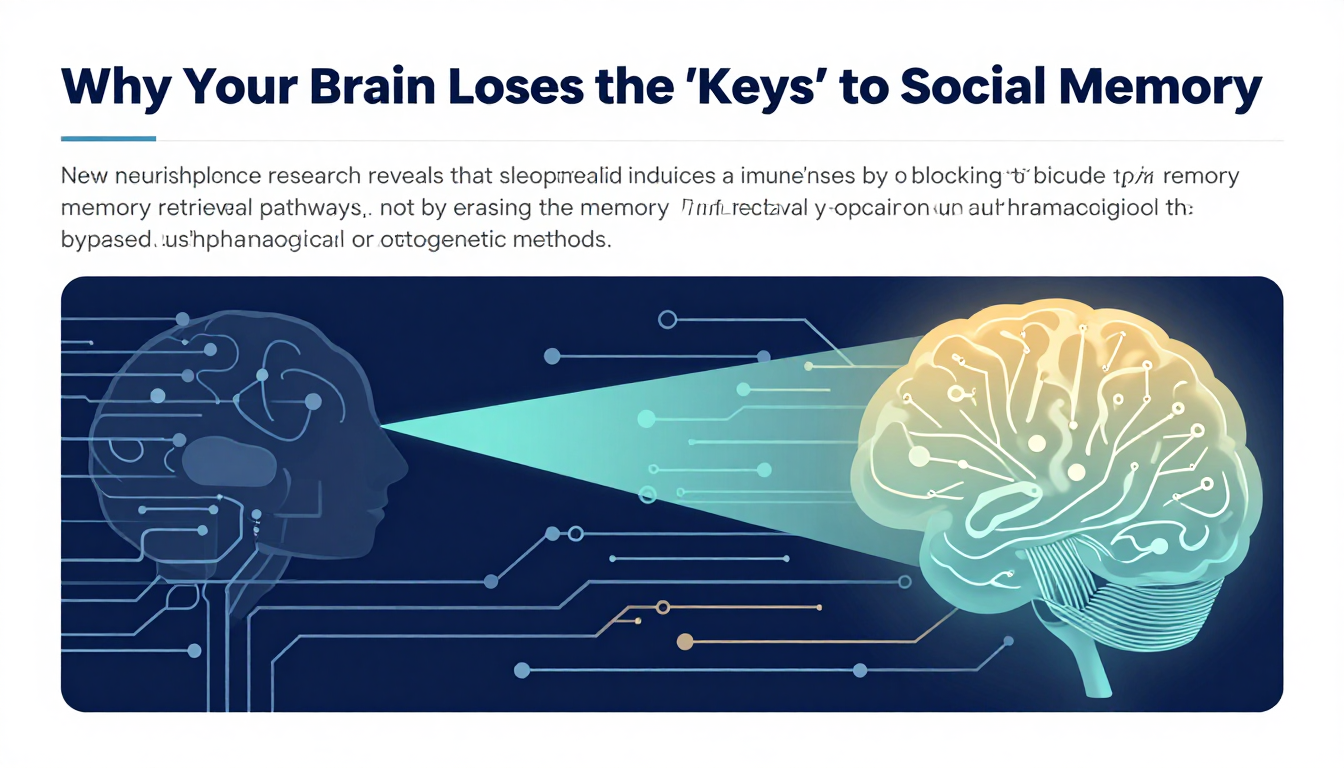
Sleep Deprivation: Why Your Brain Loses the 'Keys' to Social Memory
New neuroscience research reveals that sleep deprivation induces amnesia by blocking memory retrieval pathways, not by erasing the memory itself. This retrieval failure can be bypassed using pharmacological or optogenetic methods, providing hope for dementia and shift-work cognitive health. The article expands on the University of Groningen study published in Science Advances, exploring social memory systems, engram research, PDE4 inhibition mechanisms, and translational applications for shift workers, dementia patients, and students facing chronic sleep disruption.