
Neuroscience
The brain, neural systems and cognitive neuroscience.
Beyond the Surface: Challenging the Cerebellar Biomarker Paradigm
A breakthrough study from Virginia Tech reveals that Purkinje cell activity fails to reliably predict deep cerebellar nuclei behavior, necessitating a change in how we understand and treat movement disorders.
Unlocking the Brain: Sleep Deprivation Merely Blocks Memory Retrieval
New research demonstrates that sleep deprivation blocks memory retrieval rather than destroying the memory itself. Discover how optogenetics and roflumilast restore these neural connections, with deep dives into hippocampal functioning and the broader implications for social cognition and clinical diagnostics.
Neurochemical U-Turn: How Blind Cavefish Rewired Dopamine to Invert Light Responses
Discover how blind Mexican cavefish evolved to flip behavioral responses to light via dopamine rewiring. Learn more about this groundbreaking study on evolutionary neural adaptation and its implications for understanding human dopamine-regulated neurological disorders.

Breaking the Cycle: How Serotonin Redefines OCD Treatment
New research indicates serotonin reduces 'belief stickiness' in OCD, challenging the 'habit' theory and suggesting a more effective timing for psychotherapeutic interventions.

Overcoming the 20-Minute EEG Bottleneck: How AI Decodes Background Brainwaves to Spot Epilepsy
A new machine-learning algorithm decodes baseline EEG readings to identify genetic epilepsy markers, bypassing the need for active seizure events.
Riding the Stride: Closed-Loop Neurostimulation Adjusts Millisecond-by-Millisecond to Stabilize Parkinson's Gait
A new UCSF study published in Nature Medicine demonstrates a closed-loop adaptive deep brain stimulation system that synchronizes electrical pulses with individual steps, significantly improving gait symmetry and reducing falls in Parkinson’s patients.
Beyond Habits: How Serotonin Resets Cognitive Stagnation in OCD
Recent research reveals that serotonin helps overcome 'belief stickiness'—a cognitive inability to update mental models despite environmental changes—offering a new mechanism for how SSRIs function and suggesting optimized timing for OCD psychotherapy.
Beyond Habit Loops: Serotonin Resets the Brain's Sticky Beliefs in OCD
A pioneering computational psychiatry study demonstrates that boosting serotonin levels directly counteracts belief stickiness, offering a new state-inference framework for obsessive-compulsive traits and optimized drug-therapy integration.
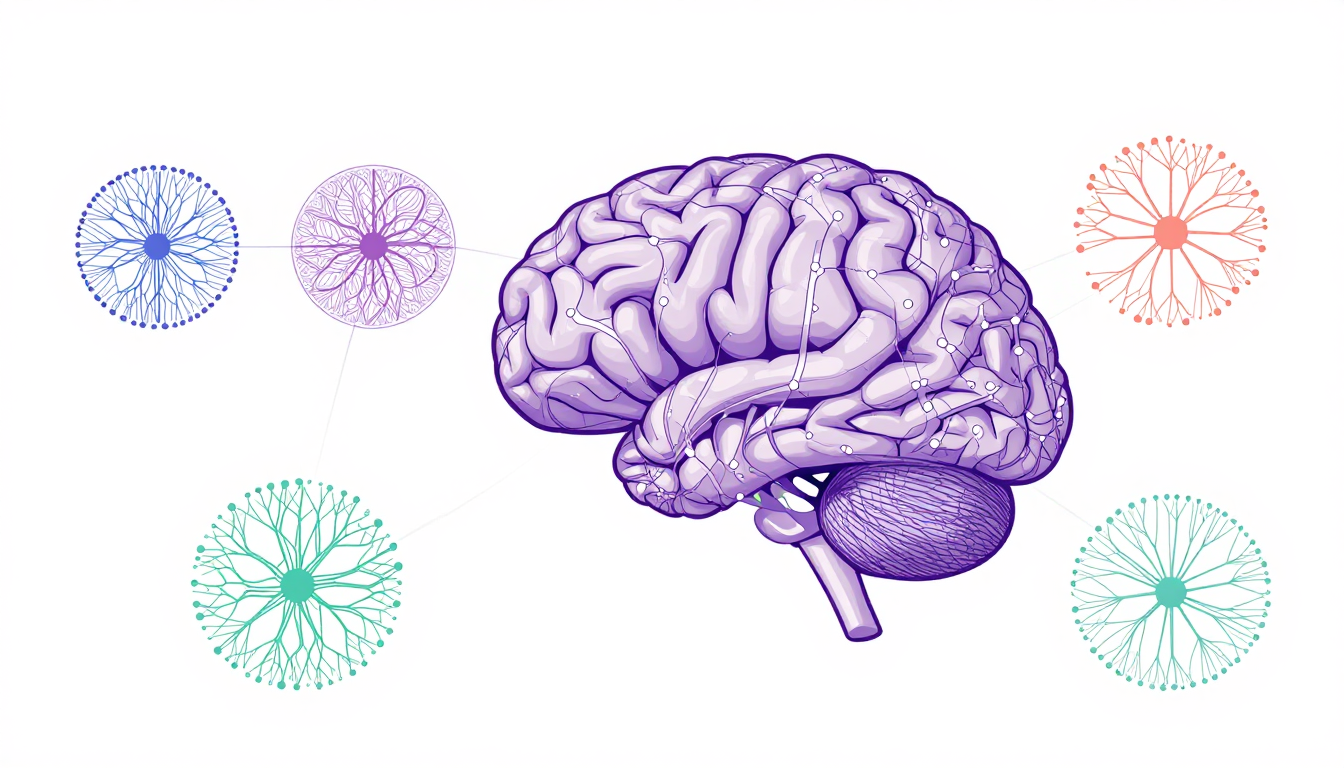
Decentralized Complexity: New Fruit Fly Map Challenges Centralized Brain Control
Researchers have mapped the entire central nervous system of an adult fruit fly, revealing that motor control for complex behaviors is distributed across localized neural circuits rather than dictated by a central hub in the brain.
Why Your Brain Rehearses Conversations at 2 a.m.: The Neuroscience of Nighttime Rumination
Understanding how the default mode network transforms intrusive evening thoughts from rumination to reflective learning through cognitive closure and expressive writing.
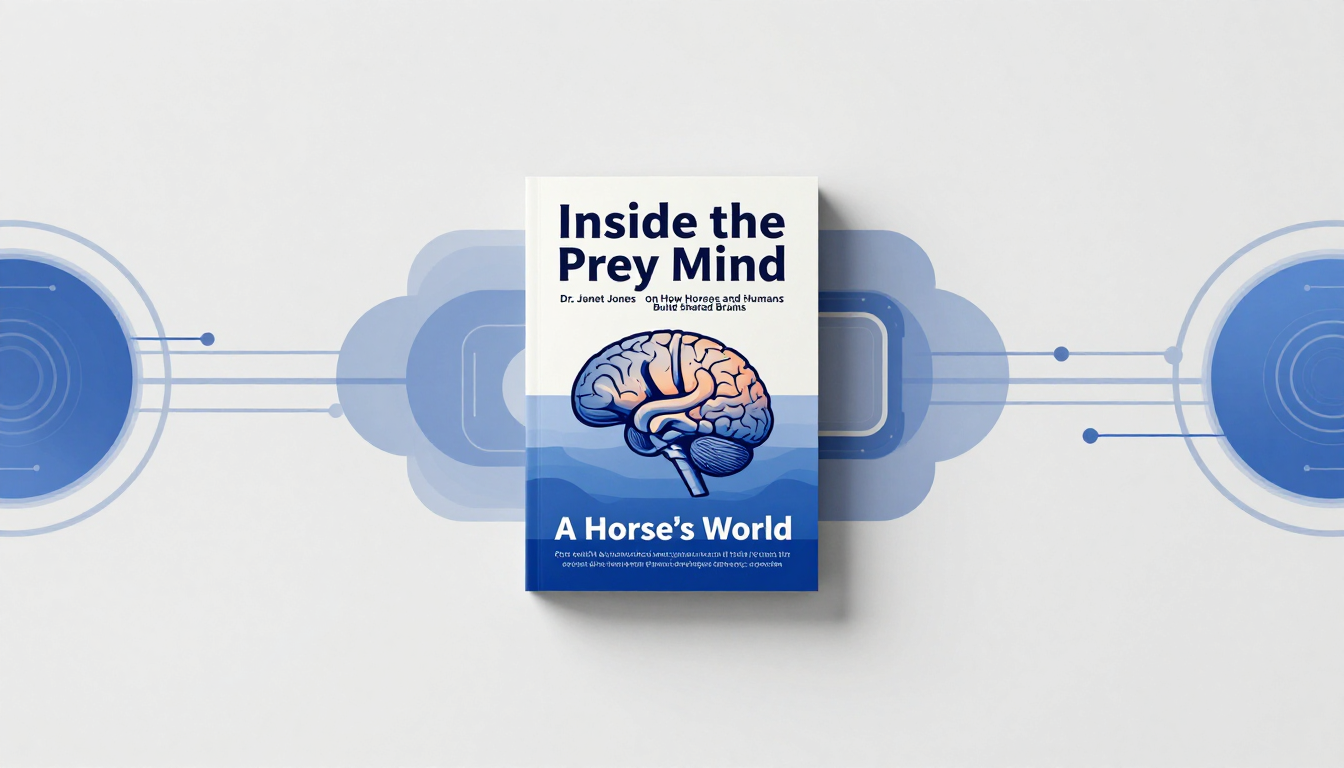
Inside the Prey Mind: Dr. Janet Jones on How Horses and Humans Build Shared Brains
A deep dive into Dr. Janet Jones’s new book “A Horse’s World” and the neuroscience of horse cognition—how prey brains, emotional honesty, and imperceptible signals forge real-time neural bridges between species.
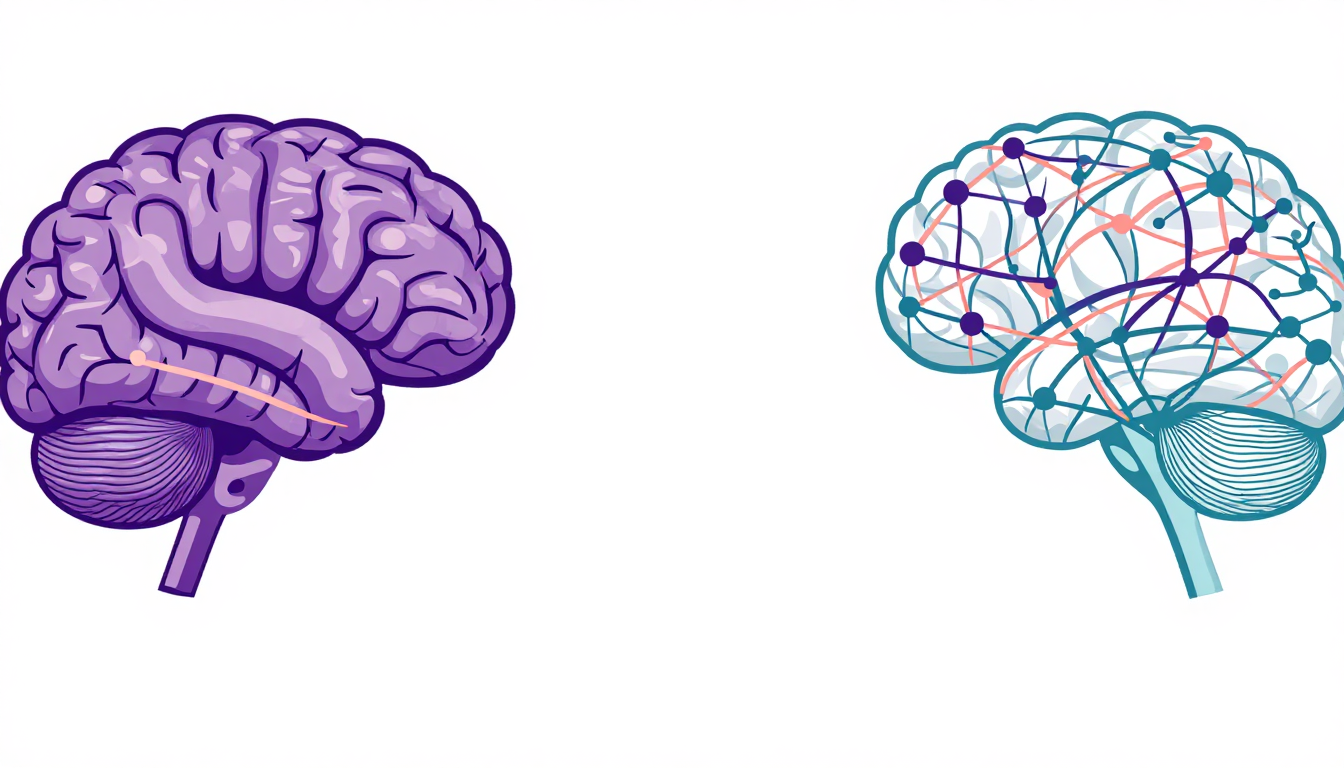
Two Distinct Biological Subtypes of Autism Identified via Brain Connectivity
A groundbreaking 2026 study in Nature Neuroscience has identified two reproducible biological subtypes of autism-spectrum disorder distinguished by contrasting patterns of brain connectivity, bridging human fMRI findings with molecular mechanisms in mouse models.