
Neuroscience
The brain, neural systems and cognitive neuroscience.
Melodies for the Mind: Why Learning an Instrument Later in Life Could Be Your Brain’s New Best Friend
Explores recent research showing how learning to play a musical instrument in later life can act as a powerful cognitive booster, enhancing memory, attention, and executive function.
Neither Gut Feelings Nor Brain Scans Can Reliably Catch Liars
Scientific lie detection instruments perform no better than the discredited behavioral observations they replaced, with polygraph accuracy barely above chance and no method meeting legal standards for reliability.
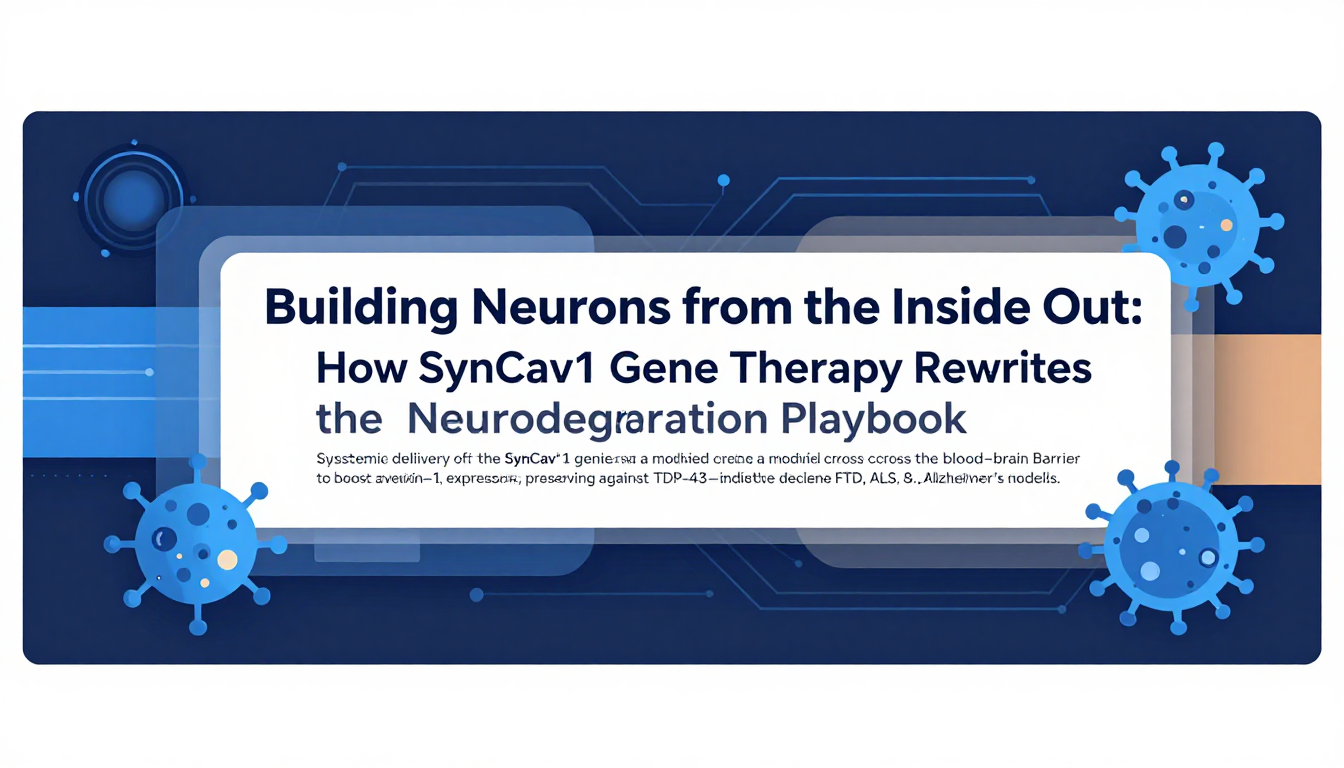
Building Neurons from the Inside Out: How SynCav1 Gene Therapy Rewrites the Neurodegeneration Playbook
A UC San Diego study demonstrates that systemic delivery of the SynCav1 gene via a modified virus crosses the blood-brain barrier to boost caveolin-1 expression, preserving neurons against TDP-43–induced cognitive decline across FTD, ALS, and Alzheimer's disease models.
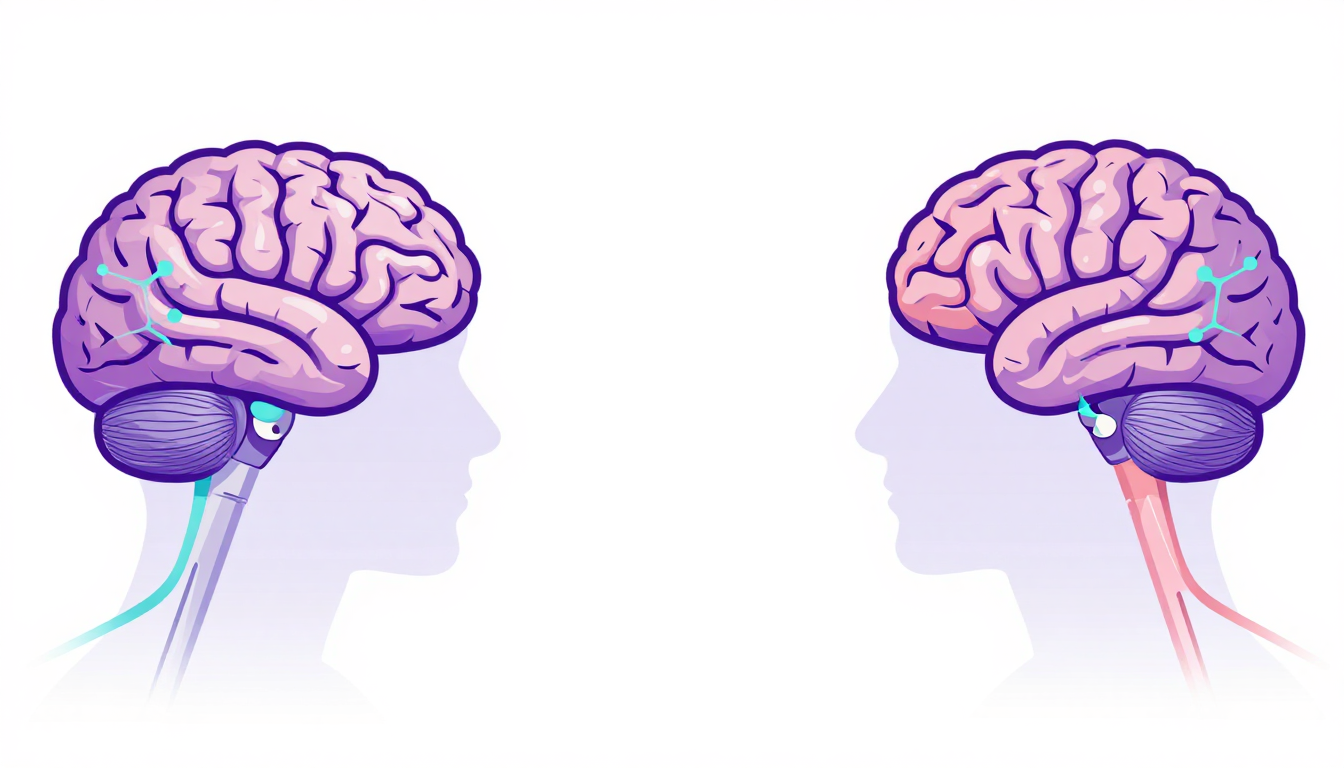
The Brain Doesn't Feel Fingers — It Feels Gestures
By comparing data from two structurally opposite neural interfaces, researchers have discovered that the human brain naturally bundles deep muscle stimulation into subconscious, coordinated movement patterns, offering a new path forward for intuitive, bidirectional prosthetics.
Your Sleep, Your Genes: How AQP4 Variants Turn Poor Rest Into Brain Shrinkage
A new study from Edith Cowan University reveals that specific AQP4 gene variants — which regulate the brain's overnight glymphatic waste-clearance system — interact with sleep duration and latency to accelerate grey matter thinning and cognitive decline in preclinical Alzheimer's, suggesting a modifiable pathway for personalized prevention.
The Food That Never Comes: How South Korea’s Dopamine Sites Are Rewiring Our Need for Ritual
South Korea’s viral dopamine sites—where you order food that never arrives, shop without spending, and take smoke breaks without lighting up—are not escapism. They’re a quiet rebellion against economic pressure, offering the ritual of consumption without the cost. Here’s why Gen Z is embracing them—and what they reveal about the future of human desire.
The Precedent Shortcut: Why Brains Drop Reciprocity the Moment Hierarchy Appears
Small shifts in perceived social hierarchy fundamentally alter how human brains process reciprocal generosity, moving from strict equivalence to precedent-based expectations.
The Brain That Looks Poor But Isn't Dumb
A landmark Washington University study of nearly 12,000 children reveals that socioeconomic hardship leaves the deepest structural and functional imprint on the developing brain — not through cognitive deficit, but through chronic stress and sleep disruption that make a disadvantaged child's brain look tired rather than less intelligent.

Paper Beats Tablets for Story Comprehension, Brain Scans Reveal
A University of Tokyo fMRI study using manga stories finds that reading on paper reduces frontal brain activation during narrative integration, suggesting paper's spatial and tactile cues help the brain organize story information with less cognitive effort than digital tablets.
Smart Kid, Bad Call: Raising Decision-Makers Before the Brain Catches Up
Brains don't finish developing until 25. Here's how to actually prepare your kid for the high-stakes world they're growing up in—without losing your mind.
Why You Lean Toward Bright or Dark Keys — And What It Says About Your Brain
Your preference for major or minor keys isn't random — it tracks with personality traits and lights up different brain circuits, according to psychology research.
When the Brain's Armor Crumbles: How Cerebellar Nets Trigger Autism Social Deficits Through ARNT2
Kanazawa University researchers trace autism social deficits to a precise mechanism: perineuronal nets in the deep cerebellar nuclei degrade across both environmental (VPA) and genetic (Chd8) models, triggering ARNT2 transcription factor surges that silence cerebellar output neurons and disconnect midbrain-thalamus social circuits — with ARNT2 suppression alone fully rescuing behavior.