
Neuroscience
The brain, neural systems and cognitive neuroscience.
Is Cannabis-Triggered Psychosis a Distinct Brain Disorder?
New Yale research suggests cannabis-induced psychosis may be more than drug intoxication — it could represent a unique subtype of psychotic illness with its own clinical, cognitive, and brain-signature profile.
Your Brain's Broken Thermostat: How Tiny RNA Glitches Lock You in Permanent Insomnia
A groundbreaking study reveals that mis-spliced neuronal microexons trigger a permanent cAMP spike — turning the brain's arousal system into a runaway heater, causing insomnia, sensory overload, and hyperactivity. This isn't just a sleep disorder. It's a molecular malfunction with deep roots in autism and schizophrenia.
A Common Cold Virus Can Start Parkinson’s — And We Just Proved It
Texas A&M researchers show that a naturally occurring mouse virus triggers dopamine neuron loss and gait decay identical to human Parkinson’s — no toxins, no gene edits, just a viral hit-and-run.
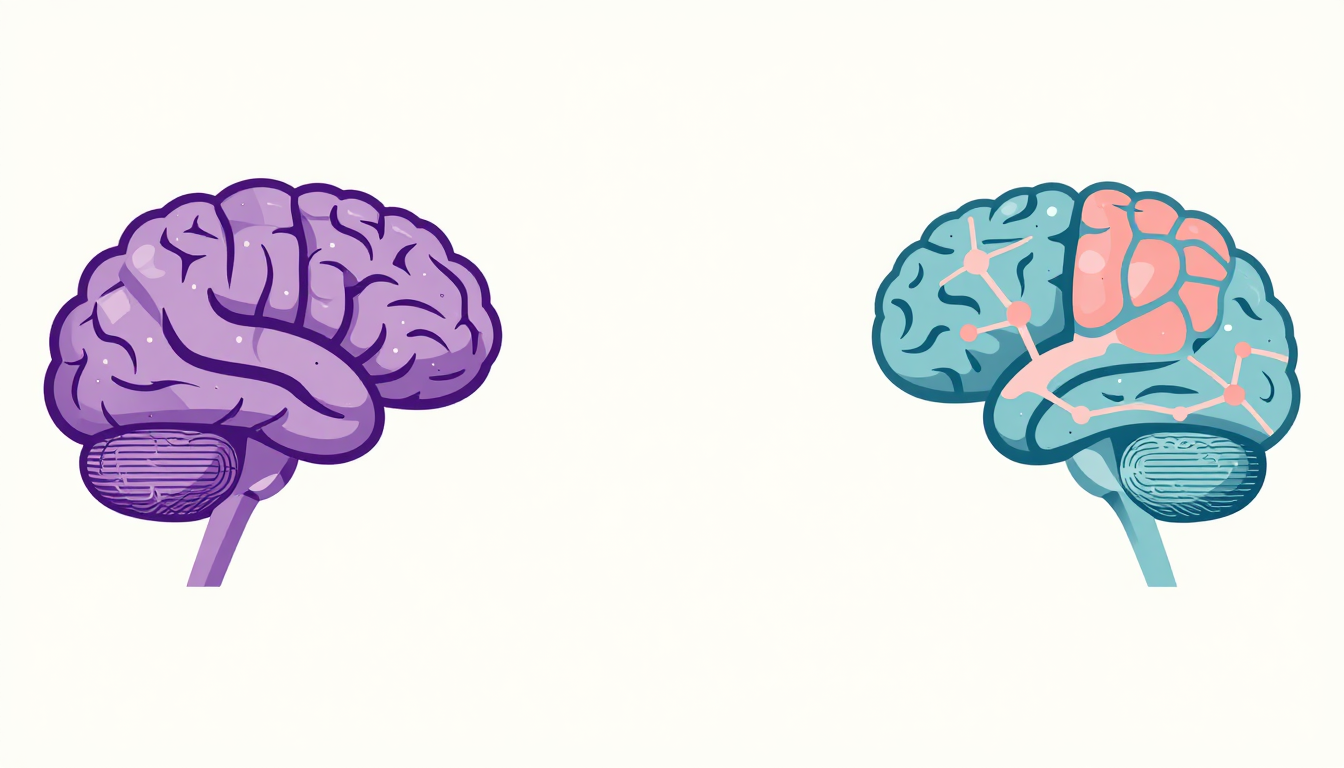
Autism’s Dual Brain Wiring: How Synaptic Silence and Immune Overdrive Define Two Biological Subtypes
A landmark 2026 study reveals autism splits into two reproducible biological subtypes: one marked by reduced brain connectivity linked to synaptic dysfunction, the other by excessive connectivity tied to neuroinflammatory pathways — transforming diagnosis and treatment.
Serotonin as a Cognitive Eraser: How One Dose Rewires the Brain’s Belief Updating in OCD
New research reveals serotonin doesn’t just improve mood—it directly slashes belief stickiness, the cognitive failure to update outdated mental models. This breakthrough reframes OCD treatment around a precise 2–4 hour window where a single SSRI dose primes the brain for therapy.
The Rewind Gap: Why Analog Media's Friction Built Better Brains
An 11-year-old’s ritual with Mary-Kate & Ashley VHS tapes — rewinding, pausing, rewatching — and a broken VCR that forced a pause in consumption, revealed how media’s true power lies not in content, but in the cognitive rituals and attentional scaffolding it creates. Drawing on the Psychology Today article, this piece explores how analog media’s physical constraints fostered deeper cognitive engagement than today’s infinite-scroll digital feeds.

When It's Hot, Your Brain Works Less Well: What Research Shows About Heat and Cognition
New research reveals that high temperatures don't just cause discomfort—they actively impair memory, attention, and decision-making. Studies from Boston to China show that heat exposure reduces cognitive performance, with climate change projections suggesting a 5-7% decline in human cognition by century's end.

AI Platform Decodes Pain Intensity Using EEG Delta Waves and Universal Calibration Across Novel Environments
A precision neuro-engineering breakthrough reveals that a self-correcting AI model, trained on EEG data from 41 participants, can accurately decode and track physical pain intensity by isolating delta wave biomarkers at the F7 and F8 frontal nodes—maintaining stable predictions even when exposed to entirely new stimulus environments never seen during training.
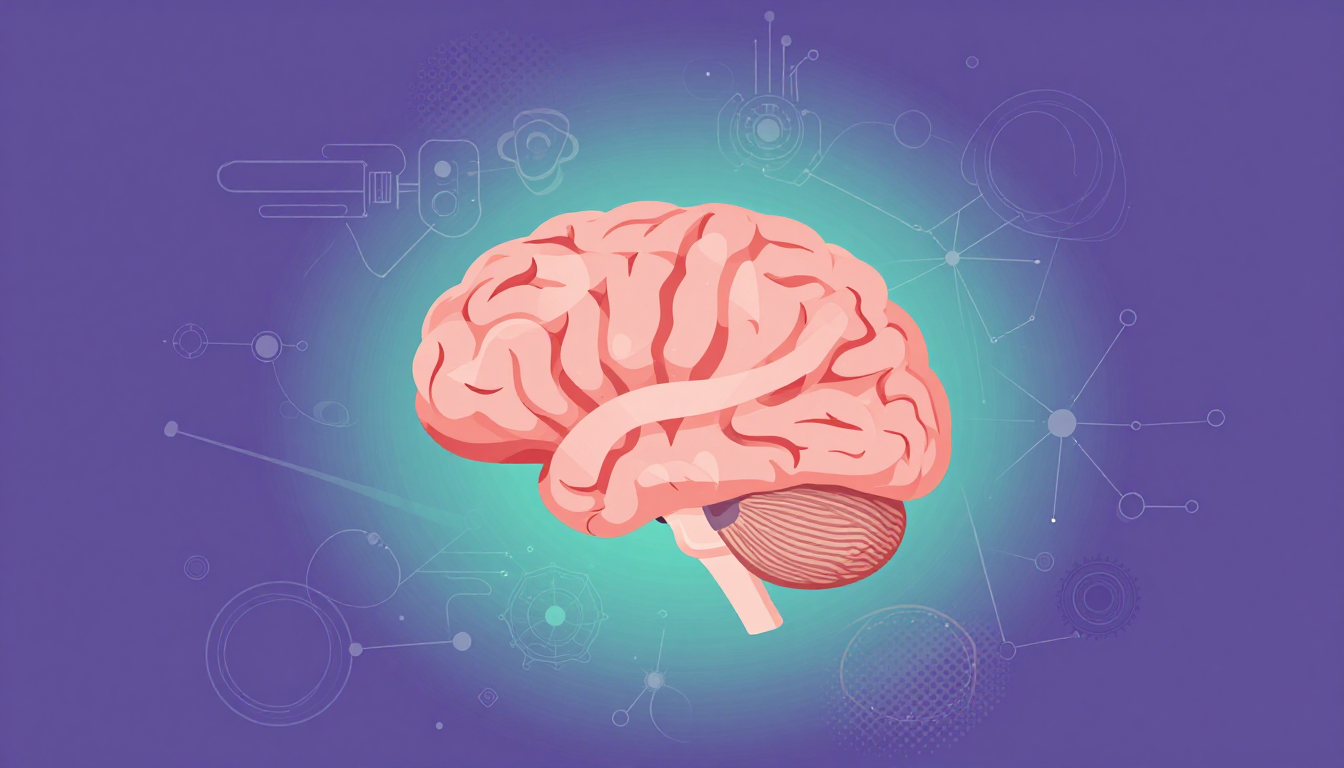
Why Sleep Isn’t Rest: The Brain’s Silent Cleanup Crew
New human PET imaging reveals that sleep deprivation forces measurable synaptic overload—proving sleep isn't relaxation, it's a mandatory cellular reset.
Why Less Screen Time Means Better Brains for Kids Under Five
New research reveals that preschoolers who spend less time on screens show stronger self-control, better memory, and improved emotional regulation — with no amount of screen time proving beneficial for psychosocial development.
Your Birth Control Might Be Making You Binge Eat — Here’s Why (And What To Do)
A landmark study shows synthetic hormones in birth control trigger emotional eating in vulnerable women — but daily tracking can stop it cold.

GPR3: The Receptor That Starts Neurons Before the Signal Even Arrives
Hiroshima University researchers discovered that GPR3, a G protein-coupled receptor, behaves like an immediate-early gene — activating within 30 minutes of nerve growth factor exposure and serving as an autonomous signal amplifier that drives the cAMP-CREB pathway, NR4A expression, and presynaptic maturation during neuronal differentiation.