
Neuroscience
The brain, neural systems and cognitive neuroscience.
The Silent Fire: How APOEε4 Ignites Brain Inflammation Decades Before Alzheimer's Symptoms
The APOEε4 allele reprograms microglia into a chronic inflammatory state via the cPLA2 enzyme switch, creating a self-sustaining neuroinflammatory cascade that precedes amyloid plaques by years — but new small-molecule inhibitors and AI-driven drug discovery offer a window for pre-symptomatic intervention.
Sialidase Inhibition: Repurposing Flu Antivirals to Protect Brain Glycans Against Age-Related Neurodegeneration
A translational neuro-immunology study reveals how blocking sialidase enzymes preserves protective glycans on brain cells, preventing HIV-associated cognitive decline and potentially other forms of chronic viral brain aging. The mechanism involves sialic acid-Siglec signaling in microglial regulation and suggests existing influenza medications could be repurposed as neuroprotective agents.
The Chemistry of Changing Your Mind: How Serotonin Helps the Brain Update Its Beliefs
New research reveals that serotonin actively reduces 'belief stickiness' — the tendency to cling to outdated assumptions despite contradicting evidence. A Brown University study using escitalopram and computational modeling suggests SSRIs may work for OCD by helping patients update their mental models of reality faster, opening new windows for combined medication-therapy approaches.

Our Brains Are Outdated. Our Country Is Too. Can We Fix Both?
As media technology overwhelms our ancient cognitive architecture, Americans are stressed, misinformed, and divided. Drawing on neuroscience and history, this article explores how we can recalibrate our individual minds and collective institutions to meet the demands of the 250th anniversary of the United States.
Your Stomach Is Smarter Than You Think — Here's How It Picks Your Food
A new Science study reveals that when essential amino acids run low, the gut releases CNMamide signals that steer the brain toward protein and away from sugar — a mechanism shared across fruit flies and mice.

A Dual-Pronged Approach to Attacking Glioblastoma’s Immune Shield
A dual-action CAR-T cellular therapy targets GPNMB, a protein found on both glioblastoma cells and the hijacked macrophages that protect them, leading to complete tumor clearance in preclinical models.
The Brain’s Secret Brake on Burnout: How a Snack Can Calm Your Nervous System
A newly mapped neural circuit reveals how a dopamine surge from palatable food triggers an unexpected inhibitory relay that physically shuts down hyperactive stress neurons — and why this isn’t comfort eating, but survival wiring.
The Cost of Convenience: Why Your Brain Still Needs the Struggle
An examination of how the craving for cognitive certainty and frictionless AI tools undermines intellectual agency.
Dismantling Cognitive Anchors: Serotonin’s Newly Uncovered Role in Updating Outdated Mental Models
New research challenges the long-held theory that obsessive-compulsive behaviors are merely automated habits, showing instead how serotonin levels govern the brain's ability to update its internal maps when the surrounding environment changes.
The 'Sandwich Model' Fallacy: How Neurophilosophy Challenges Core Assumptions of Decision Neuroscience
A groundbreaking neurophilosophy framework challenges the sandwich model of cognition, arguing that brain decisions emerge from decentralized interactions between sensory systems and motor actions, offering new insights for autonomous and edge AI development.
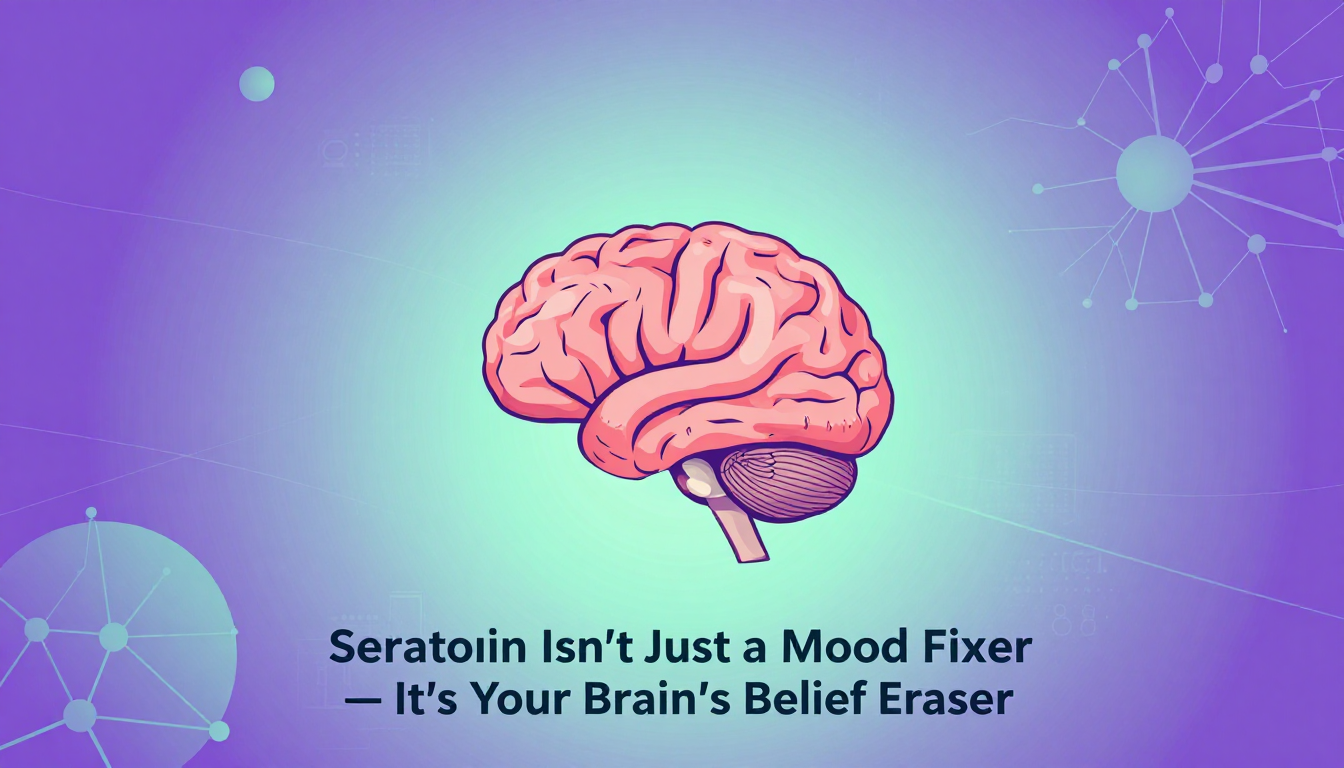
Serotonin Isn't Just a Mood Fixer — It's Your Brain's Belief Eraser
A landmark study reveals serotonin directly reduces 'belief stickiness' — the brain's failure to update its model of reality — reframing OCD as a computational glitch, not a habit, and unlocking a precise window for therapy.
How Eight Weeks of Silence Might Make Psilocybin's Brain Rewiring Permanent
USC's Keck School of Medicine launches its first-ever psychedelic-assisted therapy trial, investigating whether an eight-week mindfulness meditation curriculum can amplify and sustain the neuroplastic effects of psilocybin in 72 healthy adults, backed by ARPA-H's EVIDENT program.