
Neuroscience
The brain, neural systems and cognitive neuroscience.

Why Women’s Fear Memories Are Built Differently — And Why It Matters
A Virginia Tech study identifies K27 polyubiquitination — a molecular tag exclusive to the female hippocampus during fear memory formation — as the biological mechanism behind why women are twice as likely to develop PTSD after trauma.
What Childhood July 4th Teaches the Brain About Politics
An investigation into how early childhood participation in patriotic holidays like the Fourth of July leaves a subtle, lasting imprint on adult political allegiances, exploring the role of both patriotic symbols and shared national rituals.
The Molecular Chain Reaction: How Concussions Activate a Brain-Damaging Immune Pathway
UC Riverside researchers identified the TLR4-MMP9 axis as the critical molecular link between mild traumatic brain injury and long-term cognitive deficits, revealing that even sub-clinical concussions trigger a progressive neuro-immune cascade that can be intercepted within a narrow 48-hour therapeutic window.
The Brain Doesn't Relay — It Reinterprets: How a Double-Brake Circuit Lets Thought Remap Vision
A Columbia Engineering team has isolated the exact neural wiring — inhibition-on-inhibition, or disinhibition — that lets higher brain regions actively reshape how the visual cortex processes identical inputs. The discovery upends decades of assembly-line neuroscience and offers a blueprint for dramatically leaner AI.
Hidden Awareness Unlocked: Wearable EEG Detects Covert Consciousness in Locked-In and PDoC Patients
A portable brain-computer interface with multi-session neurofeedback transforms diagnostic accuracy for patients with prolonged disorders of consciousness by detecting intentional brain activity during motor imagery, revealing hidden awareness when traditional behavioral tests fail due to motor disconnection.

The Fish Brain’s Universal Sensory Ladder: How Zebrafish Reveal a Shared Blueprint for Perception
A groundbreaking study reveals that zebrafish, despite diverging from mammals over 400 million years ago, process sensory input through a hierarchical neural architecture strikingly similar to humans—using the pallium to integrate multisensory signals and detect coincidences that bind separate stimuli into unified experiences.

The Tiny Drug That Slips Past the Brain's Fortress to Stop ALS in Its Tracks
University of Arizona researchers developed XL20, a brain-penetrant small molecule that targets a conserved region of TDP-43, halting toxic protein aggregation and extending survival in ALS mouse models while preserving healthy cellular function.
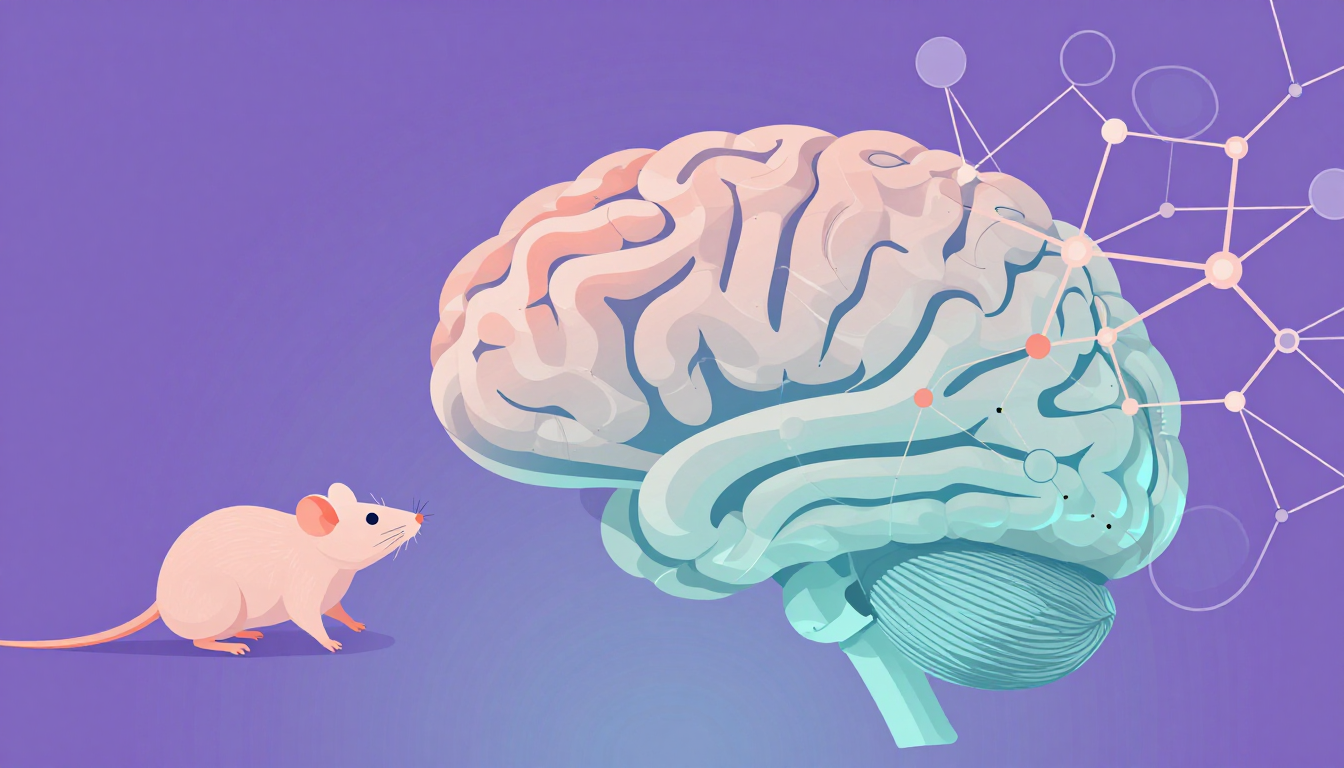
The Single Sniff: How Mice and Humans Share the Same Olfactory Brain Code
New research using high-velocity robotic cameras and direct olfactory bulb recordings in free-roaming mice uncovers a conserved neural architecture for smell processing across mammals.
Brain's CA1 Switchboard Keeps Memories Safe While Learning New Things
A new study uncovers how a small subset of hippocampal CA1 neurons acts as a switchboard, using distinct firing patterns to keep incoming and outgoing memory signals separate — allowing continuous learning without losing past knowledge.
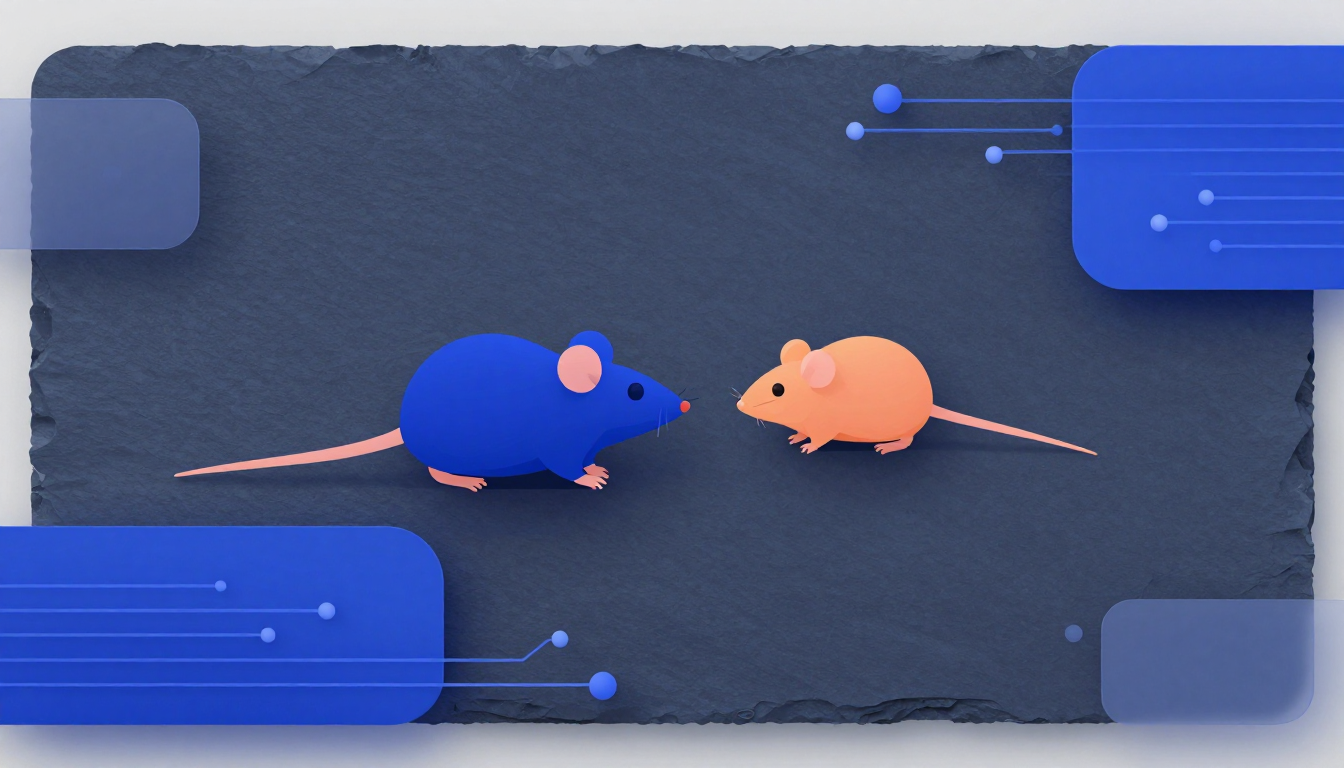
Mice Don’t See Clearly—So They Move Like Detectors
New research reveals mice compensate for poor vision and lack of a fovea by actively repositioning their bodies to extract visual information—treating movement as a sensory tool.
The Brain's Hidden Architecture of True Multitasking: How Practice Rewires Neural Pathways Beyond the Prefrontal Cortex
A landmark Georgetown study reveals that true multitasking emerges not from rapid switching, but from the physical migration of automated skills from the prefrontal cortex to the temporal lobe—transforming how we understand learning, addiction, and AI.
Stress Silences Two Brain Regions, Triggering a Gut-Bone Marrow Cascade That Ages Immune Stem Cells
A new study reveals that chronic stress suppresses the medial prefrontal cortex and periaqueductal gray, collapsing gut Lactobacillus reuteri and depleting spermidine—leading to mitochondrial failure and premature aging in hematopoietic stem cells.