
Neuroscience
The brain, neural systems and cognitive neuroscience.
Progress Blindness: Why Your Brain Lies About Getting Closer
Behavioral science reveals why we're systematically poor judges of our own progress during change, and how measurable feedback closes the gap between intention and reality.
Brains Win the Bedroom: Female Chickadees Select Extra-Pair Mates by Spatial Memory
New research reveals that socially monogamous female mountain chickadees actively seek extra-pair copulations with males possessing superior spatial memory — a heritable survival trait critical for food-caching in harsh environments. Over three breeding seasons, 70% of nests contained extra-pair young, overwhelmingly sired by cognitive elites.
Small Probiotic Dose, Measurable Mood Lift: What the PRODG Geriatric Trial Actually Found
A 24-week pilot trial found that supplementing standard antidepressant care with Lactobacillus helveticus and Bifidobacterium longum produced modest but meaningful reductions in depressive and anxiety symptoms among adults 60+, alongside elevated BDNF biomarkers — though quality-of-life gains did not differ from placebo.
When the Brain Becomes the Instrument: How Neural Resonance Theory Rewrites Music Perception
Neural Resonance Theory (NRT) proposes that music isn't just processed by the brain—it physically vibrates through it. A landmark 2025 Nature Reviews Neuroscience paper by Edward Large, Caroline Palmer, and colleagues argues that our neural oscillations literally sync with musical frequencies, turning the nervous system into a resonating instrument. This 'bottom-up' model challenges predictive coding by showing that consonance, rhythm perception, and even the 'missing pulse' phenomenon arise from biophysical resonance rather than learned expectations.
Your Coffee Sweetener Is Rewiring Your Brain—Here’s Why
New studies show that sucralose, the artificial sweetener in diet sodas and sugar-free products, may be affecting brain function, triggering hunger signals, disrupting gut bacteria, and causing inflammation in brain cells—challenging the assumption that zero-calorie sweeteners are harmless.
The Brain That Walks: How Adaptive DBS Is Rewriting Parkinson’s Future
Researchers at UCSF have developed a closed-loop deep brain stimulation system that adjusts in real time to improve walking gait and reduce falls in Parkinson's disease patients, a significant shift from conventional continuous stimulation.
A Dose of Psilocybin Woke Up Her Brain: The Alzheimer’s Patient Who Spoke Again After a Decade of Silence
A single, supervised dose of psilocybin triggered a dramatic but temporary reversal of severe dementia symptoms in an elderly woman, revealing how the brain’s latent circuits may bypass degenerative damage—if only for a fleeting window.

Chemistry Isn't Magic—It's Your Brain on Conversation
Forget charisma. Real connection isn't about being magnetic—it's about triggering dopamine, mirroring subtly, and activating positive memories. Here's how to engineer rapport using neuroscience, not tricks.

Beyond Computation: The Methodological Fragility of Modern Consciousness Research
A rigorous methodological critique argues current neuroscientific methods conflate information processing with subjective consciousness, urging adoption of dissociation-based paradigms to separate awareness from computation before ethical policies are enacted.

Unveiling Karyoptosis: A New Pathway to Nuclear Decay in Neurodegenerative Disease
Scientists have uncovered karyoptosis, a novel cellular suicide pathway driving rapid nuclear disintegration in Alzheimer's and frontotemporal dementia. This discovery, centered on the p38-LaminB1 protein interaction, opens up new therapeutic angles for neuroprotection in dementia.
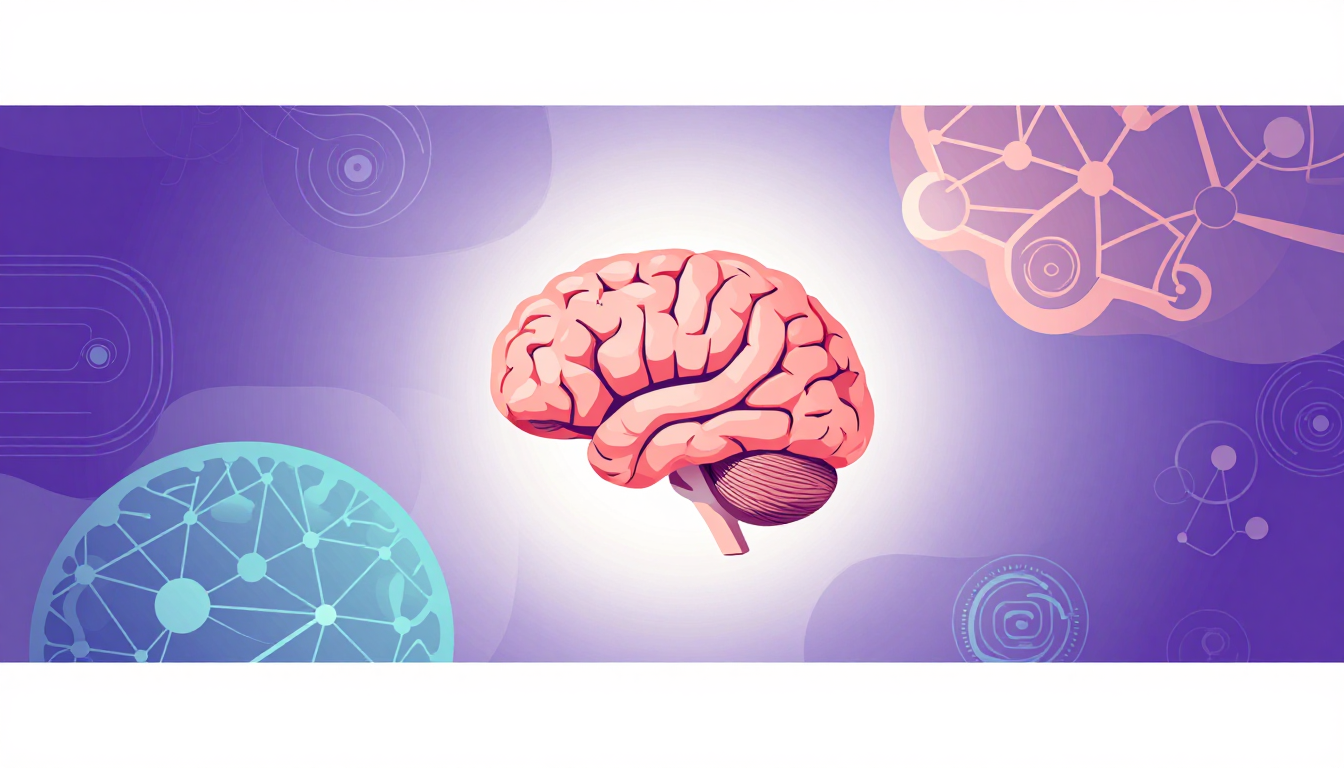
The Brain's Bargain: Fast Reactions, Fuzzy Details, and the Cost of Survival
A look at the brain's dual-strategy for adaptive efficiency, where expected events speed up action by skipping detail, and surprises trigger metabolic resource allocation for memory updates.
Inside the Brain's Editing Room: How the Frontal Lobe's Audiovisual Map Coordinates Human Focus
A pioneering intracranial study reveals that the human frontal cortex acts as a dynamic traffic controller for incoming sensory streams, relying on distinct upper-visual and lower-auditory subdivisions that instantly shift resources when comprehension demands change.