
Neuroscience
The brain, neural systems and cognitive neuroscience.
The Cost of Convenience: Why Your Brain Still Needs the Struggle
An examination of how the craving for cognitive certainty and frictionless AI tools undermines intellectual agency.
Dismantling Cognitive Anchors: Serotonin’s Newly Uncovered Role in Updating Outdated Mental Models
New research challenges the long-held theory that obsessive-compulsive behaviors are merely automated habits, showing instead how serotonin levels govern the brain's ability to update its internal maps when the surrounding environment changes.
The 'Sandwich Model' Fallacy: How Neurophilosophy Challenges Core Assumptions of Decision Neuroscience
A groundbreaking neurophilosophy framework challenges the sandwich model of cognition, arguing that brain decisions emerge from decentralized interactions between sensory systems and motor actions, offering new insights for autonomous and edge AI development.
Serotonin Isn't Just a Mood Fixer — It's Your Brain's Belief Eraser
A landmark study reveals serotonin directly reduces 'belief stickiness' — the brain's failure to update its model of reality — reframing OCD as a computational glitch, not a habit, and unlocking a precise window for therapy.
How Eight Weeks of Silence Might Make Psilocybin's Brain Rewiring Permanent
USC's Keck School of Medicine launches its first-ever psychedelic-assisted therapy trial, investigating whether an eight-week mindfulness meditation curriculum can amplify and sustain the neuroplastic effects of psilocybin in 72 healthy adults, backed by ARPA-H's EVIDENT program.
Empowering the Neurodivergent Mind: A Practical Approach to ADHD Therapy
This guide explores the neuroaffirming approach to therapy for ADHD, integrating practical tools from Cognitive Behavioural Therapy (CBT) and Acceptance and Commitment Therapy (ACT) to support children, adolescents, and adults in building a fulfilling, value-aligned life.
The Ancient Blueprint: How Lamprey Brains Reveal 450-Million-Year-Old Vertebrate Intelligence
Scientists have constructed the first comprehensive 3D single-cell atlas of a lamprey brain, uncovering that the common ancestor of all vertebrates possessed a sophisticated molecularly organized brain over 450 million years ago, with conserved gene-expression patterns strikingly similar to modern mammals.
The Brain on Books: Why Reading Literally Changes How You Think
A groundbreaking neuroscientific study demonstrates that learning to read fundamentally rewires the human brain, enhancing not only language processing but also memory, visual attention, and face recognition abilities — even in adults.
Your Brain Ignores Insults to Keep You Focused
Discover how your unconscious mind acts as a gatekeeper, filtering out negative speech during deep focus. This Hebrew University study challenges our assumptions about emotional perception and explains the cognitive mechanisms behind focus and resilience. Read related articles on The Hidden Cost of AI Optimization and The Molecular Roots of Hyperarousal.
Primitive Brainstem Circuit Functions as Foundational Attention Engine
A detailed exploration of the newly discovered brainstem PLTi attention circuit and its implications for understanding ADHD and autism.
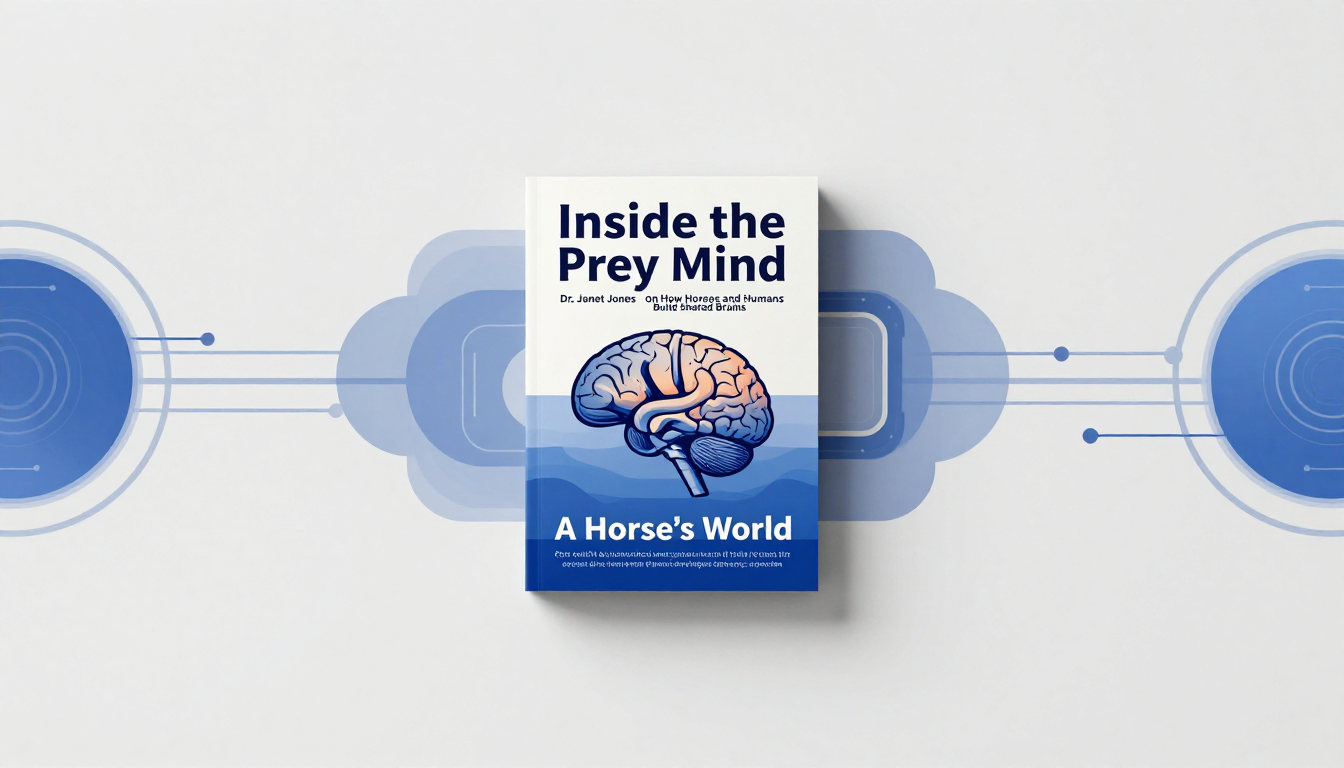
Inside the Prey Mind: Dr. Janet Jones on How Horses and Humans Build Shared Brains
A deep dive into Dr. Janet Jones’s new book “A Horse’s World” and the neuroscience of horse cognition—how prey brains, emotional honesty, and imperceptible signals forge real-time neural bridges between species.
Hetairos AI: 12-Minute Brain Tumor Molecular Classification from Histology Slides
A comprehensive look at Hetairos, an AI system that predicts 102 brain tumor molecular subtypes in just 12 minutes using routine histological sections, revolutionizing neuro-oncology diagnostics and making advanced classification accessible worldwide.