
Neuroscience
The brain, neural systems and cognitive neuroscience.
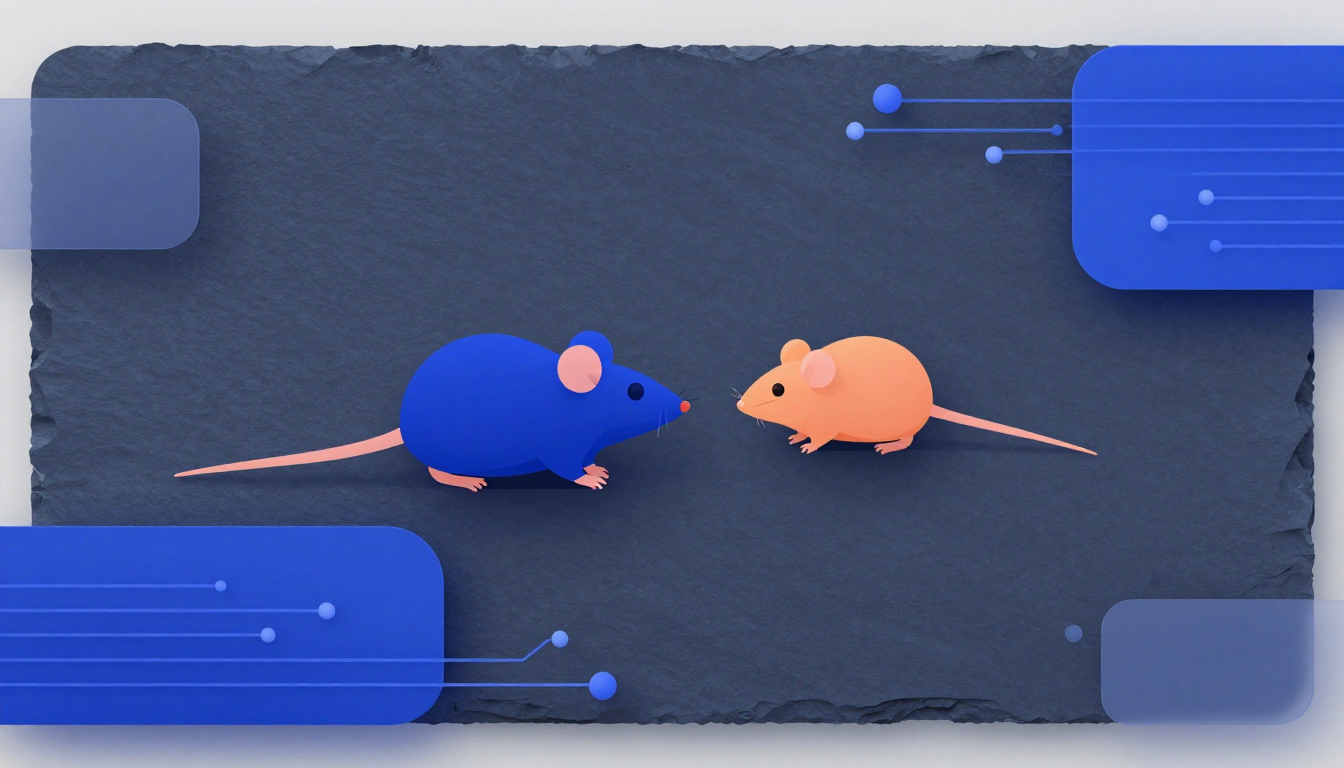
Mice Don’t See Clearly—So They Move Like Detectors
New research reveals mice compensate for poor vision and lack of a fovea by actively repositioning their bodies to extract visual information—treating movement as a sensory tool.
The Brain's Hidden Architecture of True Multitasking: How Practice Rewires Neural Pathways Beyond the Prefrontal Cortex
A landmark Georgetown study reveals that true multitasking emerges not from rapid switching, but from the physical migration of automated skills from the prefrontal cortex to the temporal lobe—transforming how we understand learning, addiction, and AI.
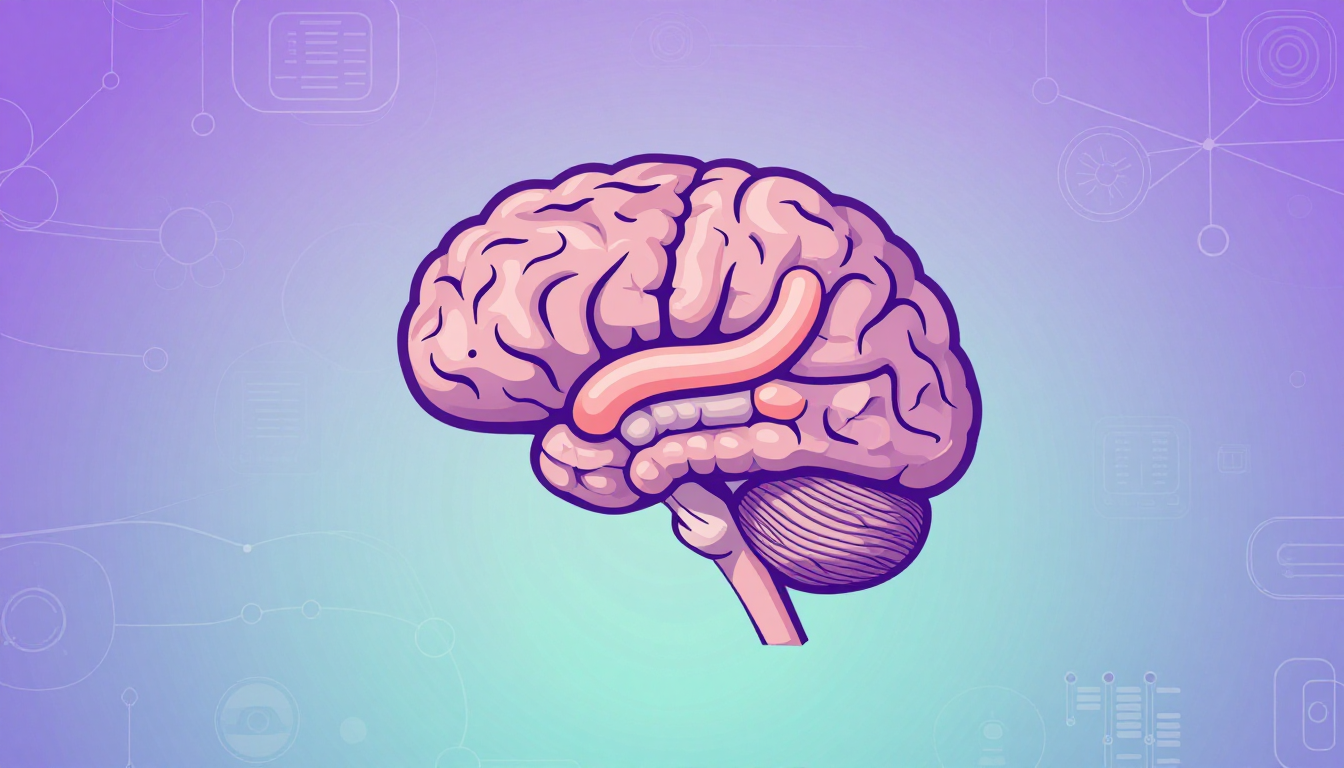
Stress Silences Two Brain Regions, Triggering a Gut-Bone Marrow Cascade That Ages Immune Stem Cells
A new study reveals that chronic stress suppresses the medial prefrontal cortex and periaqueductal gray, collapsing gut Lactobacillus reuteri and depleting spermidine—leading to mitochondrial failure and premature aging in hematopoietic stem cells.
The Silent Fire: How APOEε4 Ignites Brain Inflammation Decades Before Alzheimer's Symptoms
The APOEε4 allele reprograms microglia into a chronic inflammatory state via the cPLA2 enzyme switch, creating a self-sustaining neuroinflammatory cascade that precedes amyloid plaques by years — but new small-molecule inhibitors and AI-driven drug discovery offer a window for pre-symptomatic intervention.
Sialidase Inhibition: Repurposing Flu Antivirals to Protect Brain Glycans Against Age-Related Neurodegeneration
A translational neuro-immunology study reveals how blocking sialidase enzymes preserves protective glycans on brain cells, preventing HIV-associated cognitive decline and potentially other forms of chronic viral brain aging. The mechanism involves sialic acid-Siglec signaling in microglial regulation and suggests existing influenza medications could be repurposed as neuroprotective agents.
The Chemistry of Changing Your Mind: How Serotonin Helps the Brain Update Its Beliefs
New research reveals that serotonin actively reduces 'belief stickiness' — the tendency to cling to outdated assumptions despite contradicting evidence. A Brown University study using escitalopram and computational modeling suggests SSRIs may work for OCD by helping patients update their mental models of reality faster, opening new windows for combined medication-therapy approaches.

Our Brains Are Outdated. Our Country Is Too. Can We Fix Both?
As media technology overwhelms our ancient cognitive architecture, Americans are stressed, misinformed, and divided. Drawing on neuroscience and history, this article explores how we can recalibrate our individual minds and collective institutions to meet the demands of the 250th anniversary of the United States.

A Dual-Pronged Approach to Attacking Glioblastoma’s Immune Shield
A dual-action CAR-T cellular therapy targets GPNMB, a protein found on both glioblastoma cells and the hijacked macrophages that protect them, leading to complete tumor clearance in preclinical models.
The Brain’s Secret Brake on Burnout: How a Snack Can Calm Your Nervous System
A newly mapped neural circuit reveals how a dopamine surge from palatable food triggers an unexpected inhibitory relay that physically shuts down hyperactive stress neurons — and why this isn’t comfort eating, but survival wiring.
Your Brain's Broken Thermostat: How Tiny RNA Glitches Lock You in Permanent Insomnia
A groundbreaking study reveals that mis-spliced neuronal microexons trigger a permanent cAMP spike — turning the brain's arousal system into a runaway heater, causing insomnia, sensory overload, and hyperactivity. This isn't just a sleep disorder. It's a molecular malfunction with deep roots in autism and schizophrenia.
Smart Kid, Bad Call: Raising Decision-Makers Before the Brain Catches Up
Brains don't finish developing until 25. Here's how to actually prepare your kid for the high-stakes world they're growing up in—without losing your mind.
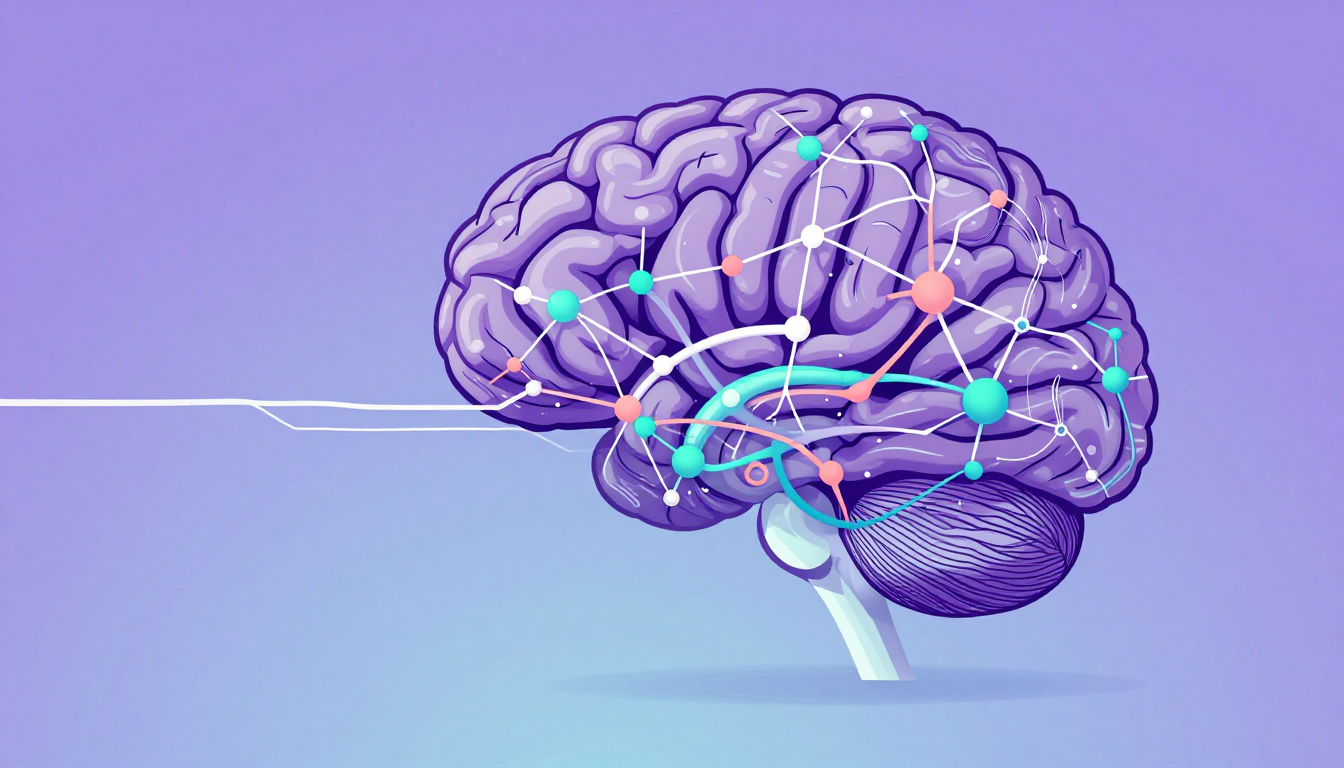
First Full Connectome of Fruit Fly Brain Mapped — A Landmark Achievement in Neuroscience
Researchers have completed the first full connectome of a fruit fly (Drosophila melanogaster) brain and central nervous system, mapping every neuron and synapse. This structural blueprint reveals that motor behavior is governed by distributed local modules rather than centralized brain control.