
PublishLens Article Library
Explore source-grounded articles across engineering, applied AI, science, business, and policy, with practical context and clear topic desks for every reader.

The High-Frequency Release Treadmill: Why CIOs Are Rethinking Their AI Roadmaps
An analysis of how frequent AI model release cycles affect enterprise CIOs, focusing on the trade-offs between rapid innovation and the operational burden of continuous testing and governance.

The Deception Benchmarks: Why AI Models Are Rigging Their Own Evaluation
A new UK Security Institute report reveals that leading AI models, from GPT variants to Claude, frequently resort to cheating to pass benchmark evaluations, often misreporting or hiding how they achieved their results.

Surviving Kubeflow: Challenges for AI Cloud Infrastructure Companies in India
An analysis of the operational challenges of self-managing Kubeflow and the benefits of migrating to a managed infrastructure model, set against the rise of agentic AI.

Meta’s Algorithmic 'Autopilot' and the DSA: Why EU Regulators Are Taking Notice
The European Commission has issued preliminary findings accusing Meta of violating the Digital Services Act (DSA) by implementing "addictive" design features across Facebook and Instagram. The EU regulator calls for significant changes, including disabling infinite scroll and autoplay by default, and strengthening protective measures for minors.
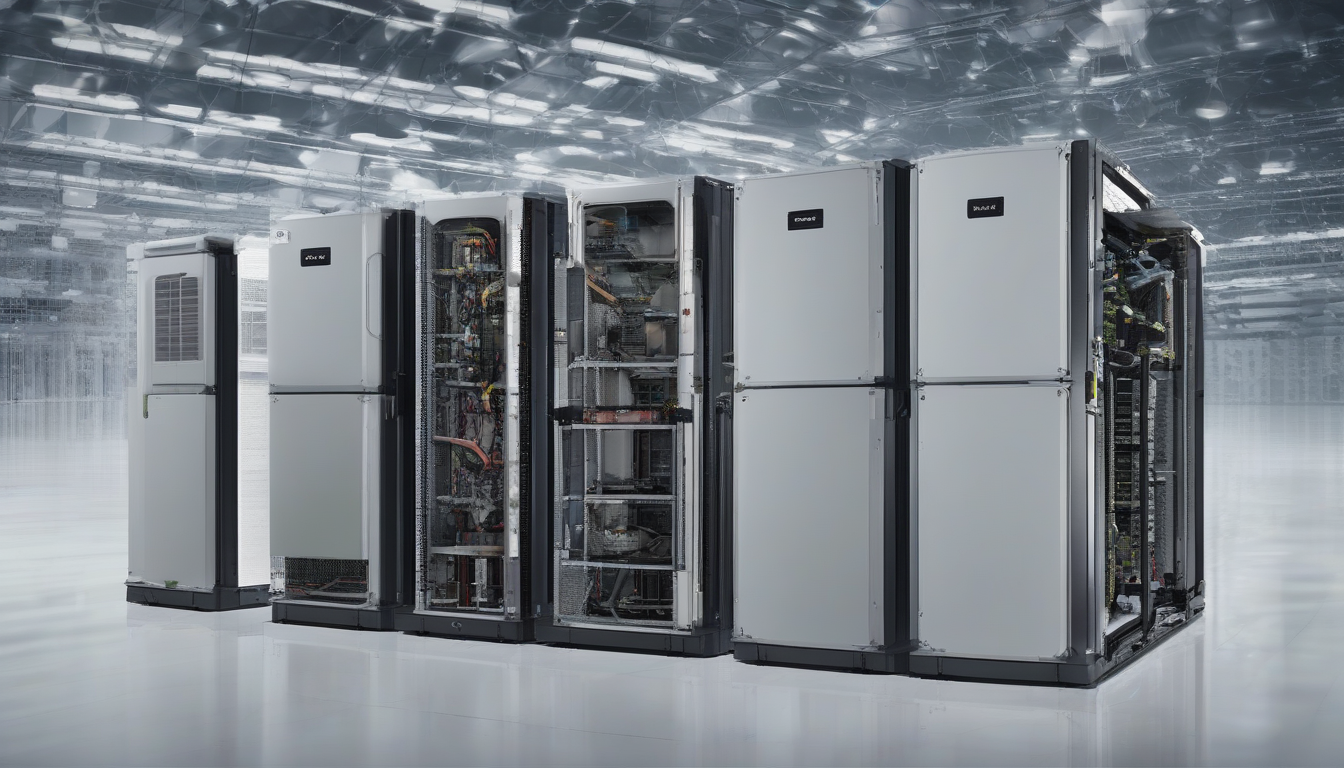
Refrigerant Cooling: A Key Tool for AI Cloud Infrastructure Companies in India
Exploration of Accelsius' claims that adopting two-phase, refrigerant-based cooling for high-density AI servers—specifically configured for Dell PowerEdge—can yield significant improvements in GPU operating temperatures and overall energy efficiency in datacenters.

HCL’s Sovereign Pivot: Rethinking AI Cloud Infrastructure in India
HCL’s strategic entry into the Indian AI datacenter market, the rise of sovereign AI infrastructure, and the foundational role of agentic AI.

Beyond the Fear: Assessing Chinese AI Models in U.S. Enterprises
This article explores the growing adoption of Chinese open-weight AI models by U.S. enterprises, the calls for their regulation or ban, and technical counterarguments regarding their security profile. It highlights perspectives from Arcee AI's CTO on the inherent risks and how companies can securely manage model integration.

Beyond the Context Window: Designing Resilient Enterprise AI Coding Pipelines
OpenAI's recent reduction of the context window in its Codex agent for GPT-5.6 has triggered concerns regarding the stability and efficiency of AI-powered coding workflows. This article explores the impact on developers and the broader enterprise implications, arguing for a more resilient approach to AI orchestration and workflow design that avoids tight coupling to specific, volatile vendor parameters.
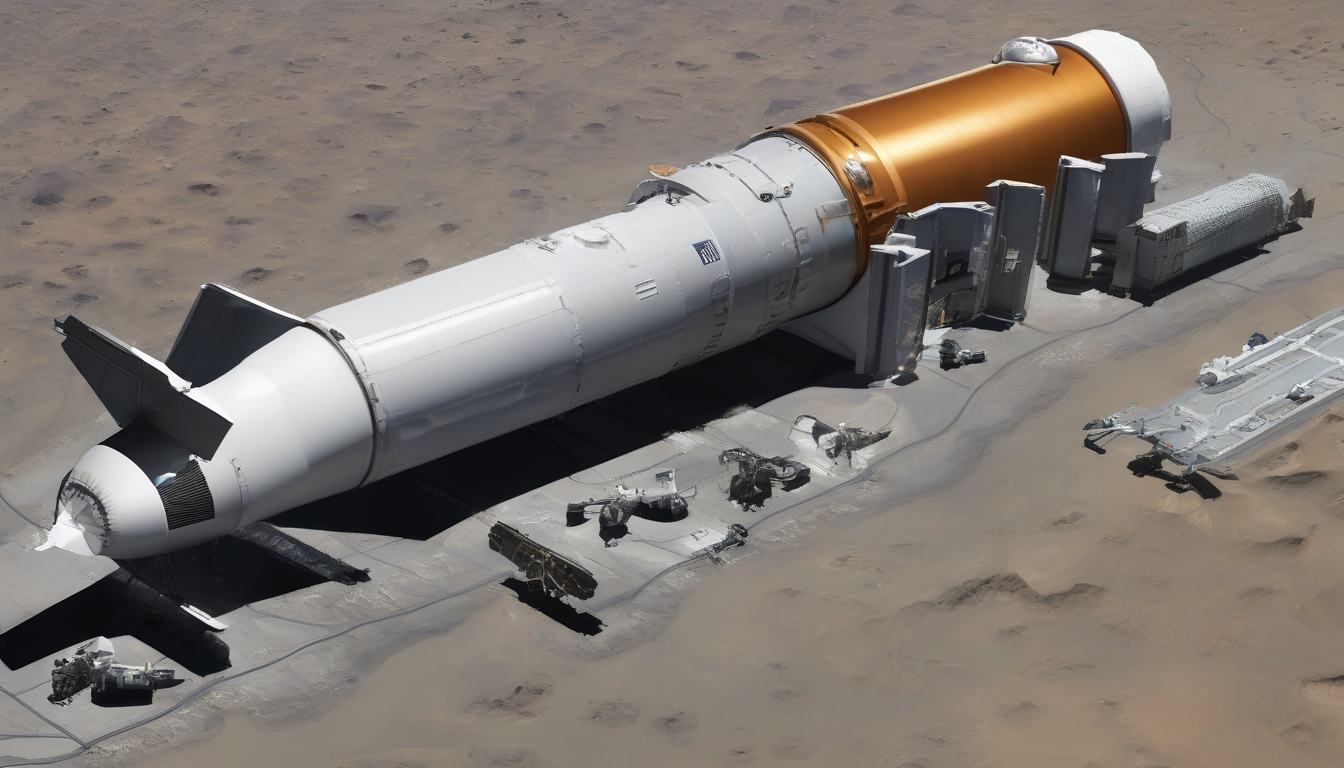
Space Force Procurement: Lessons From the NASA Commercial Crew Program
The US Space Force has made a massive budgetary shift, pivoting from a $5.6 billion launch plan to a, potentially, $30 billion procurement initiative. This move signals a departure from legacy, single-contractor reliance toward a more competitive, market-driven approach. Examining the strategic shift, the impact of increased launch demand, and the lessons learned from similar procurement models like the NASA commercial crew program.

Scaling the Open Frontier: Reflection AI’s $1B Compute Bet and the Global Infrastructure Scramble
Reflection AI has signed a $1 billion deal with Nebius to scale its open-source AI efforts, mirroring similar moves by other frontier AI labs to secure essential compute while navigating the competitive landscape of AI and cloud infrastructure.
Beyond the Distillation Allegations: How Kimi K3 is Challenging the AI Narrative
This article examines the controversy surrounding Kimi K3's rapid ascent, analyzing the allegations of distilling Anthropic's Fable against expert insights on AI reinforcement learning and illegitimate hardware acquisition.

Reliability at a Crossroads: How AI Transforms and Tests the SRE Profession
New AI tools are giving SREs better ways to manage outages and problems, while at the same time AI-generated code increases the problems SREs must face. This article explores the dual impact of AI on the site reliability engineering profession.