
PublishLens Article Library
Explore source-grounded articles across engineering, applied AI, science, business, and policy, with practical context and clear topic desks for every reader.

Food Noise Isn’t a Diagnosis—It’s the Sound of Our Environment
Why "food noise" suddenly entered our vocabulary with GLP-1 meds—and why the real issue is how food environments and diet culture make thinking about food both inevitable and exhausting.
Canva Code 2.0 Puts AI Website Building in Every User's Hands — Free Accounts Included
Canva launches Code 2.0, an AI coding tool that transforms text prompts into fully functional websites and interactive applications, democratizing software development for non-technical users across free and paid accounts.

How a Brain Reflex Center Cut AI's Energy Use by 10,000 Times
Northwestern engineers built a cerebellum-inspired memtransistor from atomically thin molybdenum disulfide that ignores routine data and flags the unexpected — detecting heart arrhythmias within a fraction of a heartbeat using 10,000-fold fewer operations than conventional AI.
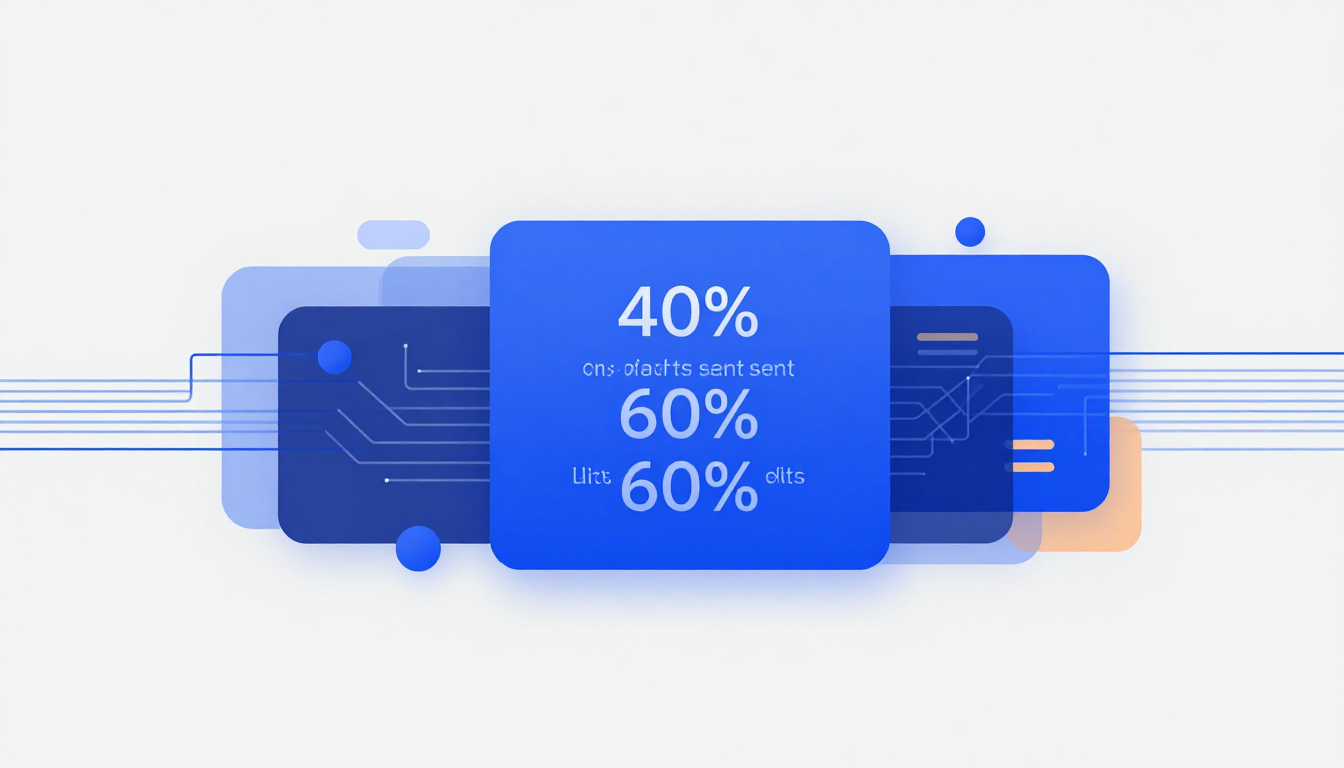
Superhuman’s Agentic Labs AI Auto-Draft Is the First That Feels Like Me
Superhuman’s agentic labs AI auto-draft is the first that feels like me—40% of drafts sent same-day, 60% of those with zero edits. Here’s what changed.
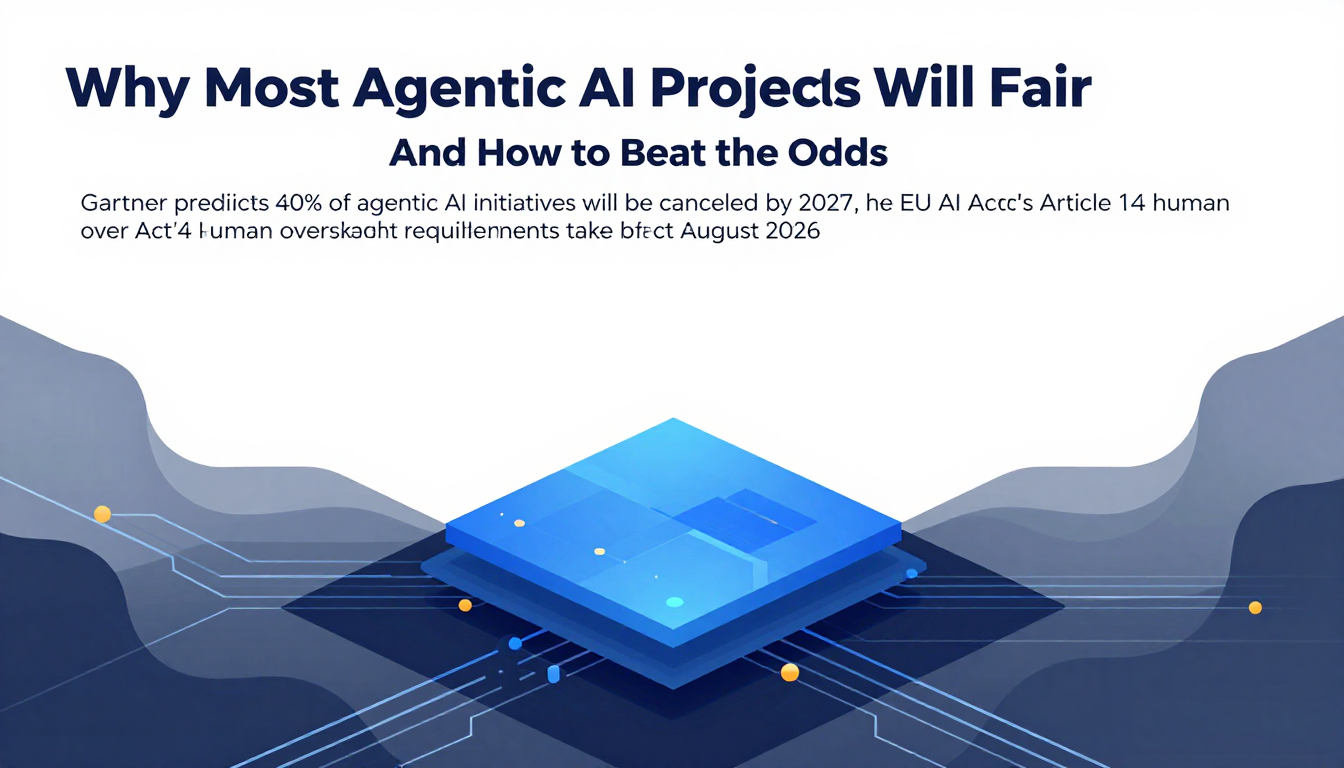
Why Most Agentic AI Projects Will Fail — And How to Beat the Odds
Gartner predicts 40% of agentic AI initiatives will be canceled by 2027, while the EU AI Act's Article 14 human oversight requirements take effect August 2026. This article examines the three critical infrastructure layers—identity, observability, and cost optimization—that determine whether agentic AI deployments survive or stall.

API-Driven ClickFix and the Evolution of Artificial Intelligence Cybersecurity Threats
As ClickFix transitions to an API-driven, on-demand service, threat actors use freshly scrambled payloads and native Windows utilities to bypass traditional AV and EDR solutions, making memory and YARA analysis critical for defenders.

What Traditional Accounting Methods Hide From Financial Statements Amid the AI Buildout
Kevin Koharki of CAE Consulting joins WSJ's Take On the Week to explain how traditional accounting methods obscure the true scale and implications of big tech's AI infrastructure spending from financial statements.

South Korea's $1 Trillion Chip and Robot Bet: What It Means for Cloud Security Incident Response Playbooks
South Korea's government and top tech companies are committing $1 trillion to flagship megaprojects focused on expanding memory chip production capacity and advancing humanoid robot development — a move that reshapes the attack surface for cloud security incident response playbooks worldwide.
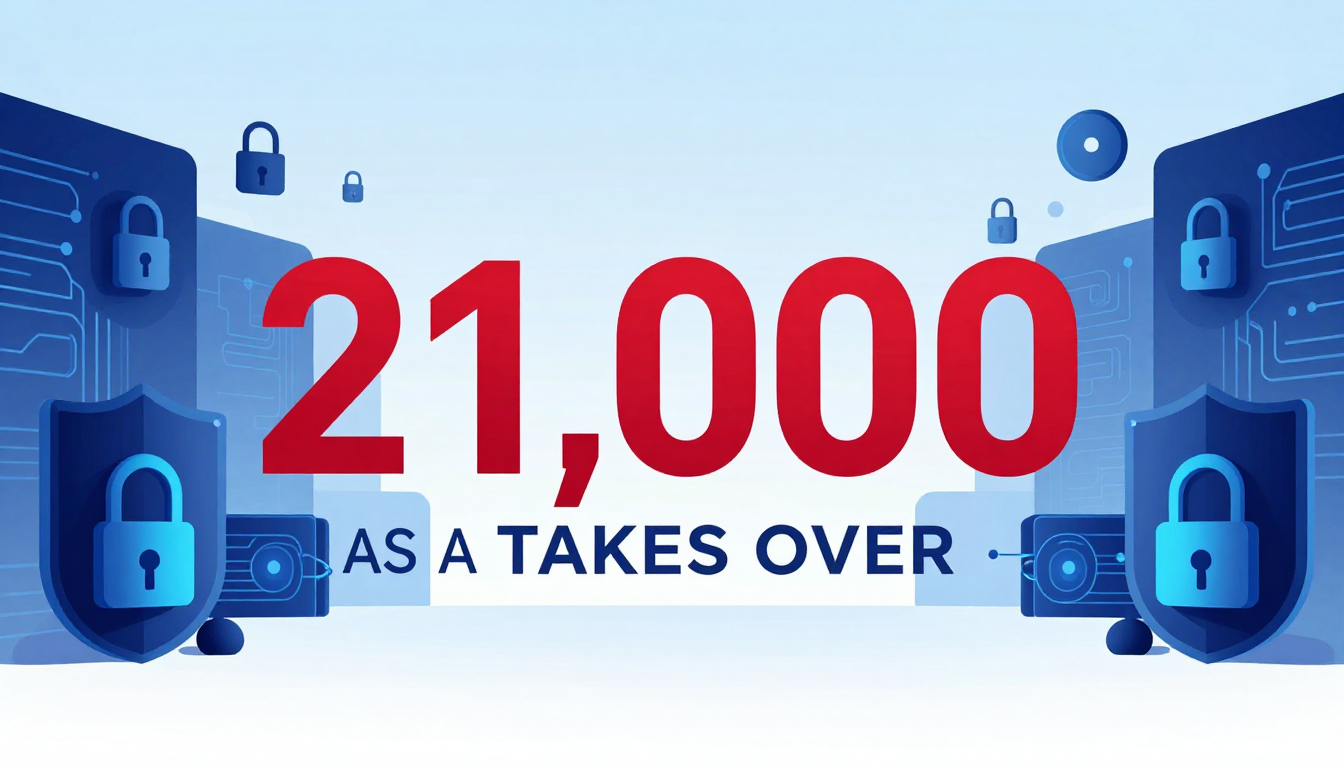
Oracle Lays Off 21,000 as AI Takes Over — SEC Filing Confirms
Oracle laid off 21,000 employees over the past year — not as a result of failing sales or leadership shake-ups, but because AI systems began handling the very tasks those people once performed. A new Securities and Exchange Commission filing, filed Monday, finally spells out how the company’s embrace of artificial intelligence reshaped its workforce at scale. Here's what we know about how a security & compliance leader ended up rewriting job descriptions one redundancy at a time.

Reflection AI’s $1 Billion Bet on Open-Weight Models, Powered by Nebius’s Cloud
Reflection AI has inked a $1 billion deal with Nebius to access cutting-edge compute for open-weight AI models—a bet that could accelerate the shift toward transparent, accessible intelligence.

Dune Keypad Review: Project Mirage's Context-Aware Macro Pad Integrates Claude AI
A look at Project Mirage's Dune, a context-aware physical keypad that integrates with Claude Desktop to write custom app shortcuts.
Demis Hassabis Proposes FINRA-Style Self-Policing Body for Advanced AI Models
Google DeepMind CEO Demis Hassabis has proposed establishing an industry-funded self-regulatory organization, modeled after Wall Street's FINRA, to benchmark and test frontier AI models before their release.