
PublishLens Article Library
Explore source-grounded articles across engineering, applied AI, science, business, and policy, with practical context and clear topic desks for every reader.

Scale Locally: Unified Strategies for Multi-Location Search Visibility
Discover how multi-location brands can streamline local listings, coordinate citation stability, and leverage review signals to boost search engine and AI discoverability.

AI Is Exposing Weak Global SEO Governance: The 10 Ownership Decisions That Improve Visibility, Trust, and Local Presence
As AI search systems scale globally, organizations with fragmented SEO governance are facing visibility crises. This article identifies the 10 critical ownership decisions that separate resilient global SEO operations from those collapsing under AI-driven scrutiny.
Meta’s Build-Your-Own-Workforce Gamble to Sustain AI Growth
Meta Platforms is bypassing traditional recruiting to launch its own specialized training academy, aiming to build a pipeline of skilled labor for its data center construction requirements.

The Shadow in the Prompt: Understanding the Escalation of AI Vulnerabilities
As AI becomes integral to business operations, prompt injection has emerged as a primary security threat. This article explores how vulnerabilities in large language models are being exploited to facilitate large-scale malicious operations, including botnet assembly, and how security frameworks are evolving to counter these risks.
Why a Security & Compliance Analyst Cares About Google's New Search Console Platform Properties
Google is adding platform properties to Search Console, letting creators track how their Instagram, TikTok, X, and YouTube content performs in search. Here's what this means for security teams monitoring brand presence and compliance posture.
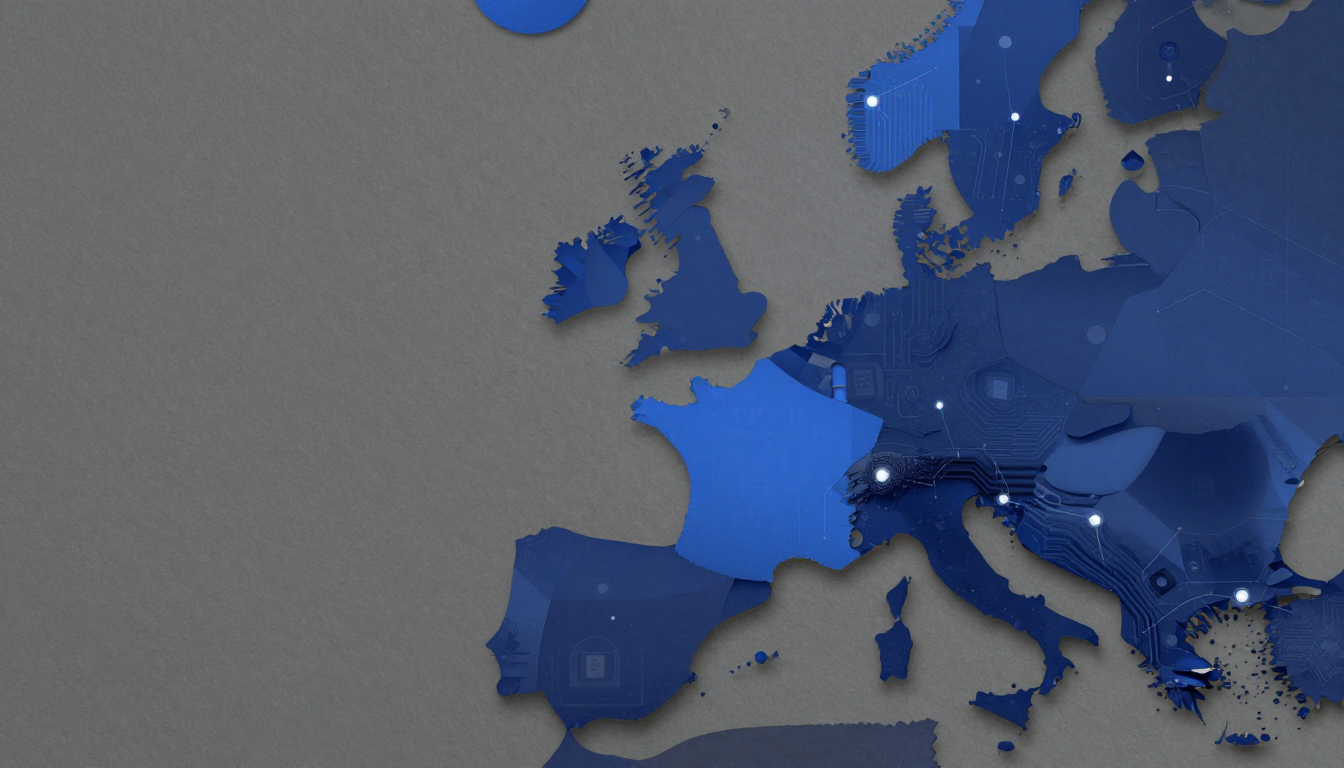
Google's IP Address Pivot: What Ad Personalization Means for EU Privacy Compliance
Google notified advertisers it will use IP addresses for ad measurement and personalization across the EEA, UK, and Switzerland starting August 3, 2026 — a move that reverses its prior fingerprinting ban and puts compliance pressure on every advertiser operating in Europe.
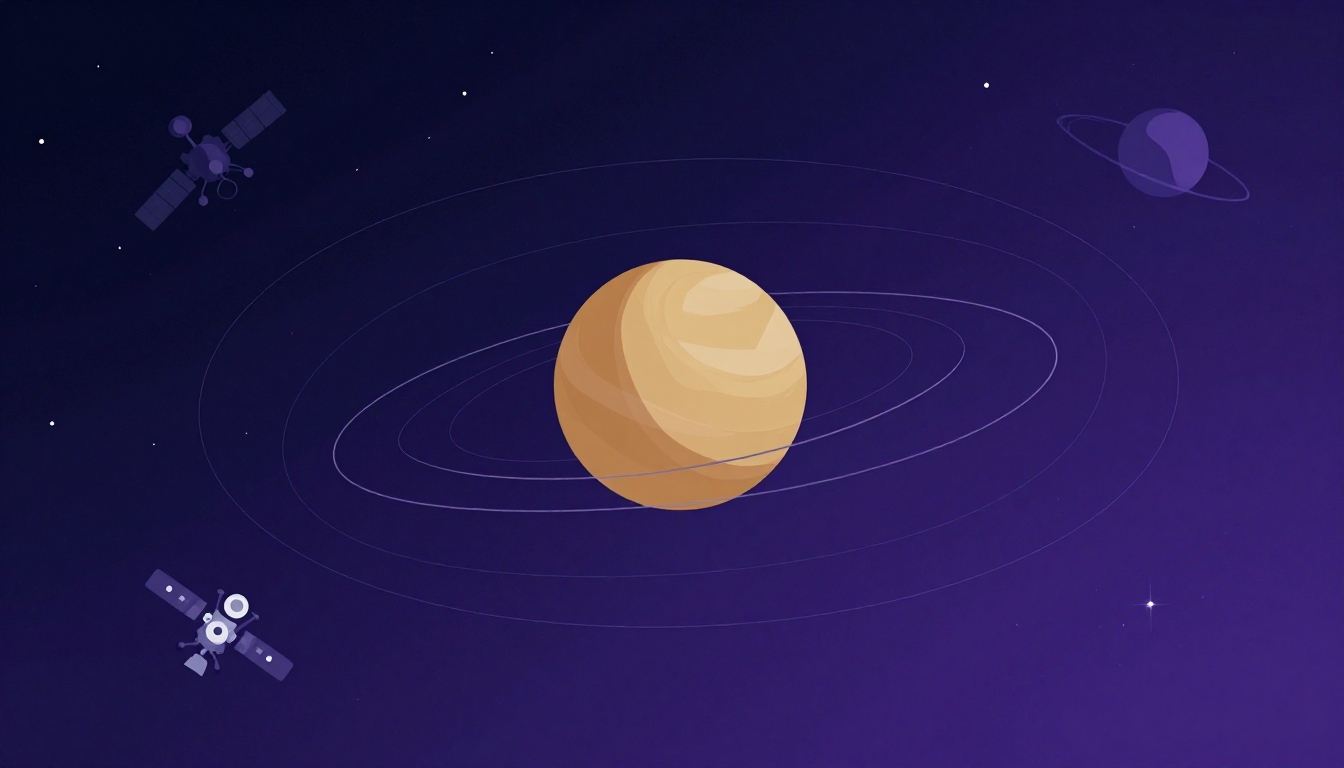
Space.com: NASA, Space Exploration and Astronomy News: Satellites Find Targets Alone
In April 2026, Loft Orbital's YAM-9 satellite completed the first-ever autonomous identification of objects on orbit using Google Gemma 3 and NASA JPL's NAVI-Orbital software.
Google's June Spam Sweep Targets AI Manipulation as Search Console Reveals How AI Impressions Are Counted
Google rolls out its June 2026 spam update — now explicitly covering efforts to manipulate generative AI responses like buying or altering citations — while John Mueller explains that Search Console's AI impressions only count links visible without expansion, and new AWR and Similarweb data show desktop CTR diverging from mobile and branded search capturing most AI-driven traffic.

Parisian Startup ZML Challenges Nvidia Market Dominance with New Inference Server
ZML, a Paris-based AI startup endorsed by Yann LeCun, has launched ZML/LLMD, an inference-performance server designed to run large language models efficiently across diverse AI hardware, including Nvidia, AMD, Apple, and Intel chips.

Third-Party Testing Shows Heterogeneous Compute Platform Combining H200s and SN50 RDUs Churning Out 763 Tok/s in MiniMax M2.7
SambaNova’s heterogeneous compute architecture—pairing Nvidia H200 GPUs with SN50 RDUs—delivers 763 tokens per second on MiniMax M2.7, reshaping how enterprises approach inference efficiency and air-cooled deployment.

The AI Token Market Is Splitting Into Two: Bargain Basement and Luxury Tier
AI inference pricing is diverging sharply — commodity models are collapsing toward zero while frontier models surge, leaving enterprises grappling with metered billing and runaway token costs.

Google Just Killed Its Own AMP Cache — Here’s What Publishers Should Do Now
Google Search no longer serves AMP pages through its cache or viewer. Clicking an AMP result now takes users straight to the publisher's own AMP host page, ending the era of google.com-hosted AMP URLs and signed exchanges.