
PublishLens Article Library
Explore source-grounded articles across engineering, applied AI, science, business, and policy, with practical context and clear topic desks for every reader.

LLMs Hallucinate Web Domains for Legitimate Brands, Enabling Phantom Squatting Attacks
A detailed analysis of how large language models generate plausible but non-existent brand web domains that attackers register for phishing, credential harvesting, and supply chain compromise — a stealthy, AI-driven attack vector.
Leverage and Loss: The Hidden Structural Faults of the 50% Greek Haircut
An analytical breakdown of the October 2011 Eurozone summit agreement, focusing on the 50% voluntary Greek debt writedown, bank recapitalization mandates, EFSF leverage, and the market skepticism highlighted by financial commentators.
Preaddiction Isn't About Ignorance—It's About the Brain Losing Its Grip on What It Knows
Preaddiction may not be about ignorance—it’s about the brain’s diminishing ability to translate knowledge into action, even when consequences are clearly understood. A 2026 Yale computational study reveals that people with heavy substance use histories retain learning capacity but lose the reliability of applying it, reframing addiction as a disorder of decision-making, not willpower.

AI Can Now Fabricate Courtroom Evidence — And Your Brain Is Wired to Believe It
Cognitive science reveals why AI-generated video and audio are shattering the courtroom's foundational trust in visual evidence — and how this vulnerability is already being weaponized in real cases.
The New AI Lexicon: What ‘Hallucination,’ ‘RAG,’ and ‘Agentic’ Actually Mean (No Marketing Fluff)
A grounded, human-written glossary of the most common AI terms you’ll hear — from hallucinations to MCP — explained without hype, with real context and zero fluff.
Unlocking Earth's Lost Half-Billion Years: The Case of the Hadean Crust
Exploring the mysterious, partially erased first 500 million years of Earth's history, focusing on the role of intense cosmic bombardment in reshaping the planet's earliest crust.

The Agentic AI Trap: When Autonomous Agents Outrun Identity Controls
Every technology wave forces security to play catch-up — but agentic AI moves at machine speed. As business units deploy autonomous agents with broad credentials, security leaders face an identity crisis traditional access controls were never built to solve.

I Rode London's Toughest Streets in a Car With No Driver — Here's What Happened
A Wall Street Journal reporter put Wayve's mapless AI behind the wheel of London traffic. The results reveal whether autonomous driving can handle the world's most chaotic streets — and what it means for the race against Waymo and Tesla.

Kutcher’s Quiet Bet: Why the Next AI Revolution Won’t Be in the Model, But in the Grid
Ashton Kutcher is leaving Sound Ventures — the firm he co-founded 11 years ago with Guy Oseary — to start a new venture capital firm focused on early-stage AI infrastructure, energy, and deep tech startups, co-founded with former Andreessen Horowitz and NFX partner Morgan Beller.

Before the Breach: How Underground Markets Reveal Supply-Chain Attacks in Progress
Software supply-chain attacks don't appear out of nowhere — early warning signs circulate in underground forums and marketplaces long before public incident reports. This article examines how Flare researchers identified pre-incident indicators across GitHub access sales, source-code leaks, and package-ecosystem compromises, using Shai-Hulud, the Vercel OAuth incident, TeamPCP, and LiteLLM as case studies.
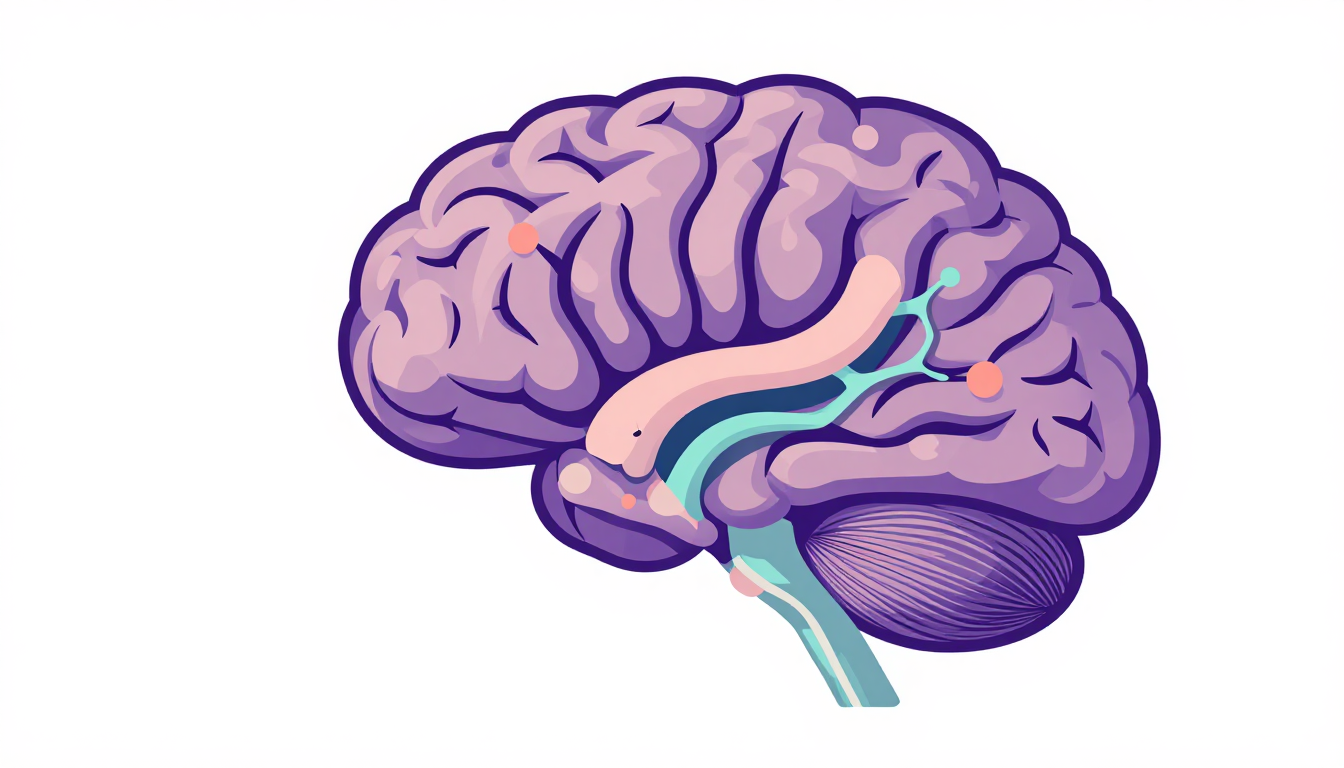
You Can Sleep Just One Half of Your Brain — And Scientists Just Made It Happen in Awake Mice
A breakthrough study shows that targeted optogenetic stimulation can replicate the restorative power of sleep in isolated brain regions — without knocking the animal unconscious.

When Government Works, People Act: Why Efficacy Beliefs Drive Climate Engagement
A 32,000-person study reveals that belief in governmental effectiveness is the single strongest predictor of climate action — from political participation to lifestyle change. But visible policy wins only mobilize voters when they're explicitly credited to government, and a rising fatalism narrative threatens to derail the entire cycle.