
PublishLens Article Library
Explore source-grounded articles across engineering, applied AI, science, business, and policy, with practical context and clear topic desks for every reader.

Why AI Can’t Count Hiragana in Kanji Readings (And Why That’s Okay)
A deep dive into how Japanese morphology breaks AI's assumptions about character counting, the role of okurigana, and why linguistic ambiguity isn't a bug—it's the feature.
The Precedent Shortcut: Why Brains Drop Reciprocity the Moment Hierarchy Appears
Small shifts in perceived social hierarchy fundamentally alter how human brains process reciprocal generosity, moving from strict equivalence to precedent-based expectations.
The Brain That Looks Poor But Isn't Dumb
A landmark Washington University study of nearly 12,000 children reveals that socioeconomic hardship leaves the deepest structural and functional imprint on the developing brain — not through cognitive deficit, but through chronic stress and sleep disruption that make a disadvantaged child's brain look tired rather than less intelligent.

Snap's Exit from AI Video Is Already Done — Here’s Why It Makes Sense
Snap is spinning off its generative AI video team into Dotmo, a new gaming-focused company. CTO Bobby Murphy leads as personal investor in this strategic pivot away from expensive AI development.
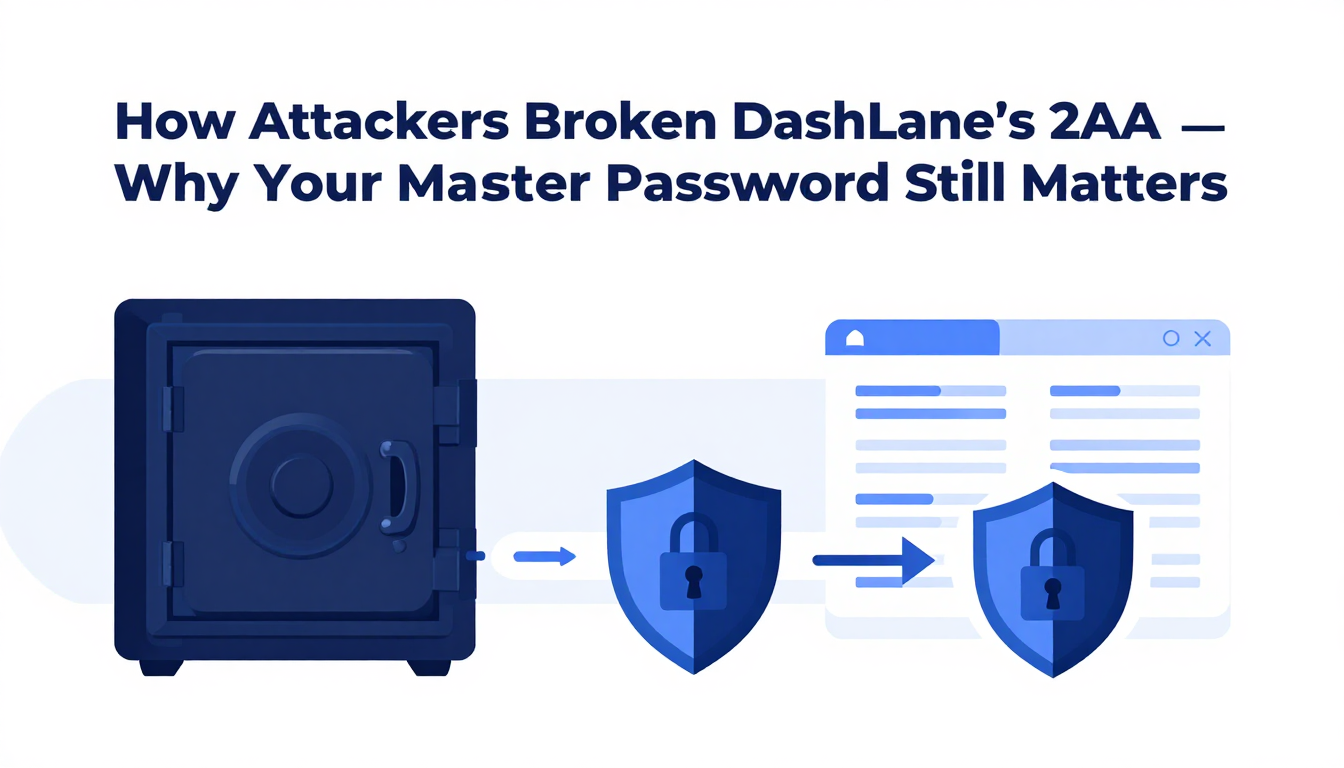
How Attackers Broke Dashlane’s 2FA — And Why Your Master Password Still Matters
Dashlane disclosed a coordinated campaign in which attackers abused device-registration API endpoints to brute-force one-time 2FA codes across thousands of user accounts simultaneously. The attack successfully generated valid tokens for fewer than 20 personal-plan customers, allowing encrypted vault downloads — though master passwords protected by Argon2 hashing likely remain secure.

Kali365 Operators Didn’t Just Survive the FBI—They Grew Stronger
Despite FBI warnings and takedown attempts, the operators of Kali365 have expanded their phishing-as-a-service platform, refining their MFA bypass techniques and scaling operations globally.
Adobe’s Quiet Power Play: Buying Topaz to Keep You Inside Creative Cloud
Adobe’s acquisition of Topaz Labs isn’t just about AI features—it’s a high-stakes move to reclaim control over the tools creatives already love, before they bolt for cheaper alternatives.

SpaceX's Nasdaq Debut: The $2.3 Trillion IPO That Made Musk a Trillionaire
SpaceX began trading on the Nasdaq for the first time, with shares jumping 19% above its $135 IPO price to close at $160.95, pushing the company's valuation to nearly $2.3 trillion and making Elon Musk the world's first trillionaire.
Why Trying to Sleep Makes You Awake: The Backwards Law of Human Effort
Why direct pursuit of sleep, charm, or happiness backfires—and how ironic process theory and obliquity reveal that the path to your goals runs through the edges.
ShinyHunters Exposes 450K Student Records in University of Nottingham Cyberattack
The University of Nottingham confirmed that the ShinyHunters extortion gang breached its PeopleSoft Campus Solutions system, leaking 40GB of personal data — including passport numbers and financial records — from over 454,000 current students and alumni across its UK, Malaysia, and China campuses.
When Efficiency Becomes a Weapon: Inside the HTTP/2 Rapid Reset Attack
HTTP/2's multiplexing was supposed to make the web faster. Instead, it gave attackers a way to turn every connection into a weapon — and organizations with large distributed footprints are paying the price.
Remote's $300M Payroll Empire Runs on AI — And Nobody Got Hired to Build It
Amsterdam-based payroll provider Remote crossed $300M ARR and hit cash-flow positivity — not by cutting costs, but by growing revenue per employee 50% through company-wide AI adoption. The CEO says the real story is how agentic AI and a new Model Context Protocol interface are reshaping global payroll infrastructure.